Introduction: A Farmer’s Journey of Resilience
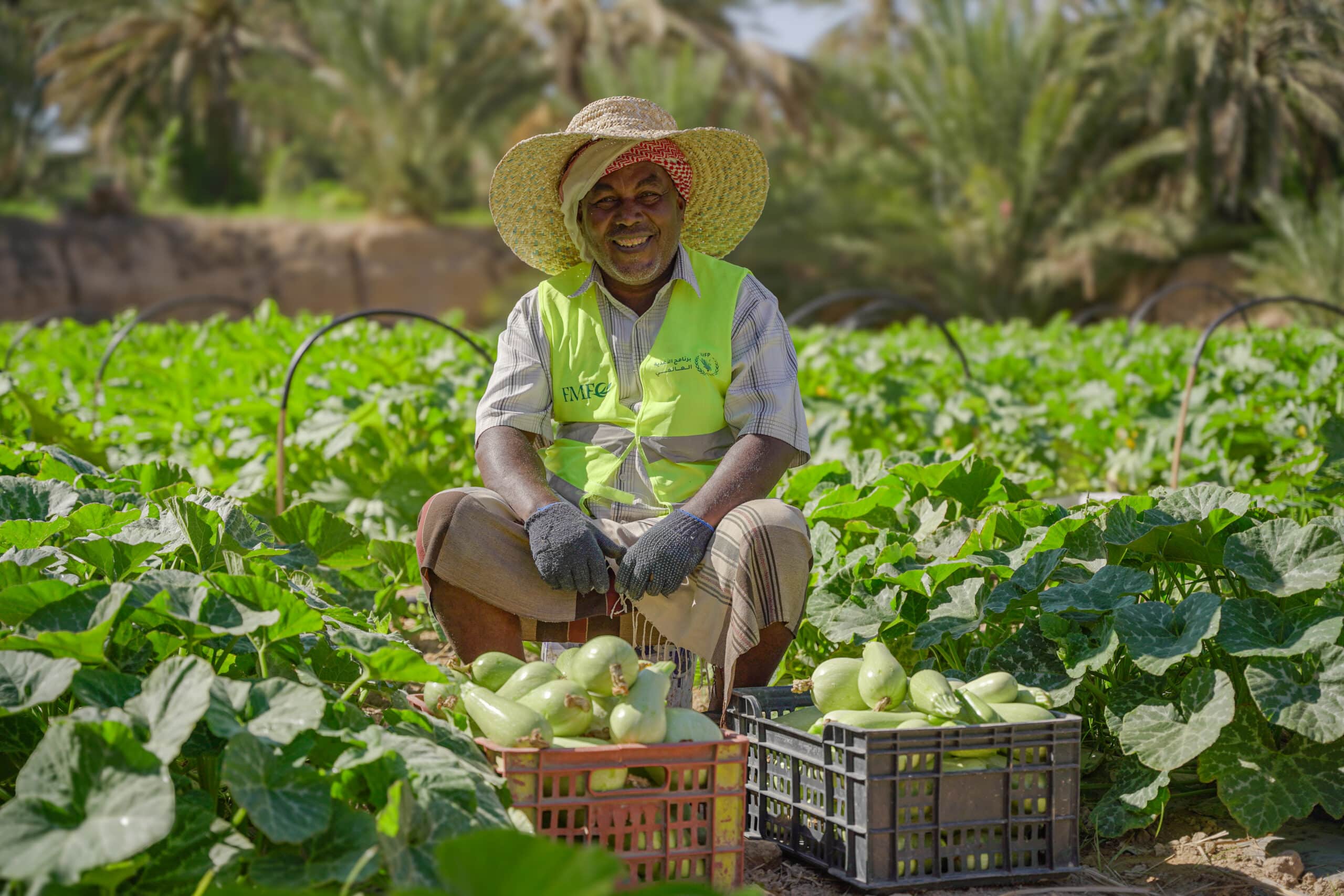
In the Al-Khoweira area, Sah District, Hadramout Governorate, 62-year-old Saleh Yamaan begins recounting his agricultural journey, a testament to the resilience of farmers in the region. Saleh, like many others, faced numerous challenges in his agricultural pursuits, from harsh climate changes to the rising costs of production supplies and the shortage of essential resources.
“We faced a severe shortage of seeds, and the cost of establishing an irrigation system was very high, making it difficult to maintain agricultural production,” Saleh recalls
. Despite these difficulties, he remained committed to the land, striving to improve his agricultural situation. His story, and that of many others, took a significant turn with the intervention of the From Food to Resilience project.
Hadramout Governorate has long depended on agriculture as a primary source of income for rural households, yet decades of underinvestment, coupled with the effects of the ongoing crisis in Yemen, left many farmers like Saleh without the tools or knowledge to adapt to changing conditions. Traditional irrigation methods consumed excessive water in an already water-scarce environment, while outdated farming practices limited both yield and income. The Food to Resilience project was designed to directly address these gaps, working hand-in-hand with local farmers to introduce sustainable solutions tailored to the realities of Sah District.
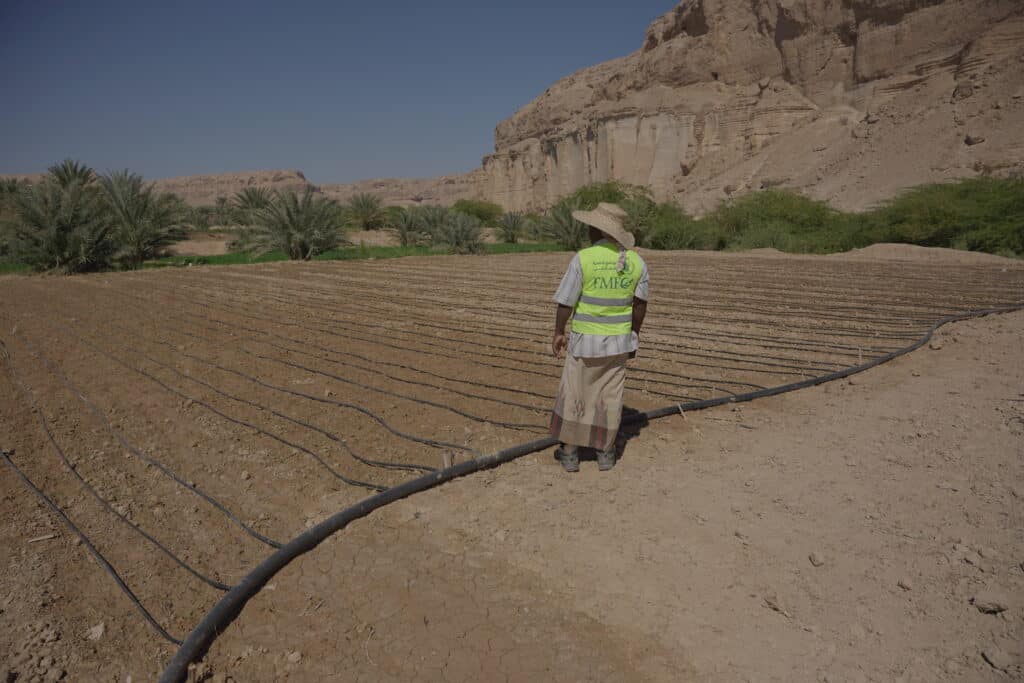
Al-Khoweira area, Sah District, Hadramout Governorate
Introducing Modern Agricultural Techniques
Thanks to the efforts of the Food to Resilience project in supporting farmers in the Sah District, modern agricultural techniques were introduced for the first time, resulting in a significant shift in productivity.
“The support we received through modern agricultural techniques profoundly impacted improving our production. We cultivated five hectares of land using these techniques, significantly increasing our productivity and raising our income,” Saleh adds.
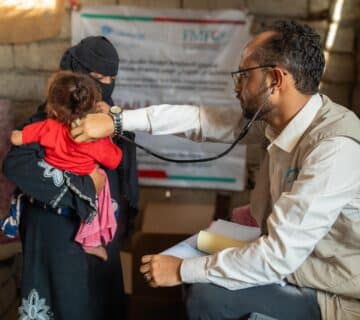
The project’s intervention led to a substantial increase in Saleh’s income and productivity, demonstrating the tangible benefits of the project. The agricultural engineer provides innovative tips and solutions to maintain crop quality and increase yield
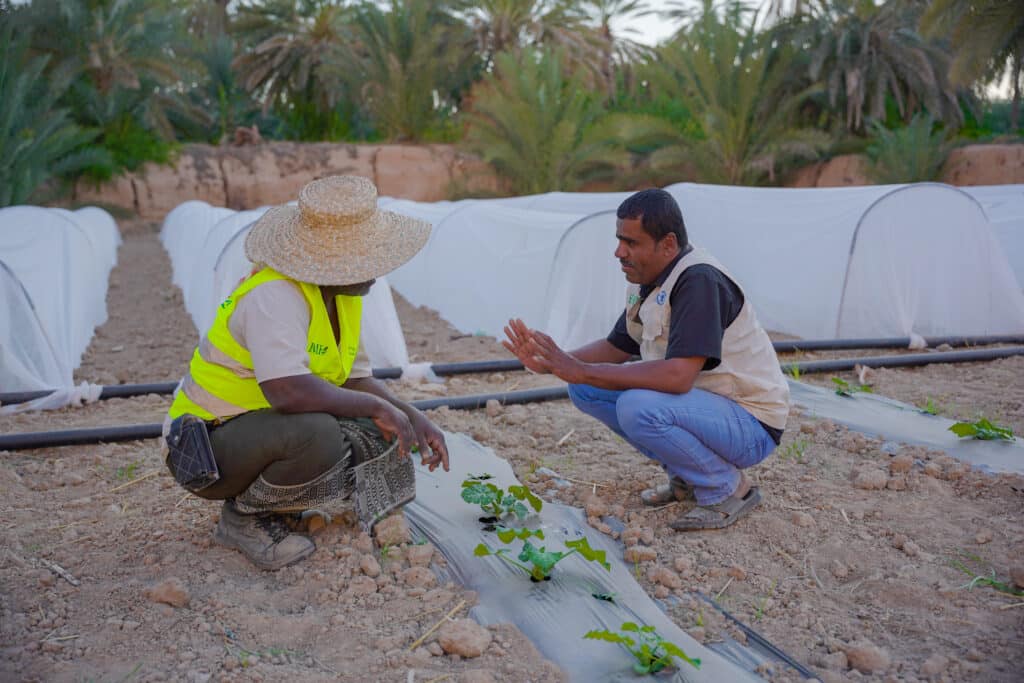
Agricultural engineer supporting farmer resilience training in Yemen
Empowering Farmers and Expanding Opportunities
The project’s goal is to create an environment that empowers farmers to become self-sufficient in earning their livelihoods through a series of activities. These activities include rehabilitating agricultural lands, upgrading irrigation channels and water sources, providing agricultural training and consultations, and supplying seeds and drip irrigation systems. Additionally, innovative agricultural techniques like agricultural tunnels were introduced.
“We started cultivating eggplant, zucchini, onions, and green peppers. We are now in the harvesting phase of eggplant and distributing it to the markets,” Saleh proudly says.
The project’s comprehensive activities, from land rehabilitation to the introduction of new crops, have significantly impacted the community.
Central to this transformation was the hands-on technical support provided by agricultural engineers, who worked directly in the field with Saleh and fellow farmers. Through regular visits and practical guidance, farmers learned how to manage soil health, apply targeted irrigation schedules, and identify early signs of crop disease before they could damage yields.
“Before, we relied on guesswork. Now, we understand exactly what our land and our crops need,” Saleh explains.
This transfer of knowledge has not only improved Saleh’s harvest, but is gradually reshaping farming habits across the wider community, as neighboring farmers begin adopting similar techniques after witnessing the results firsthand.
As Sah District looks toward a more food-secure future, stories like Saleh’s stand as proof that with the right support, resilience is not just possible — it is sustainable. The agricultural engineer provides innovative tips and solutions to maintain crop quality and increase yield
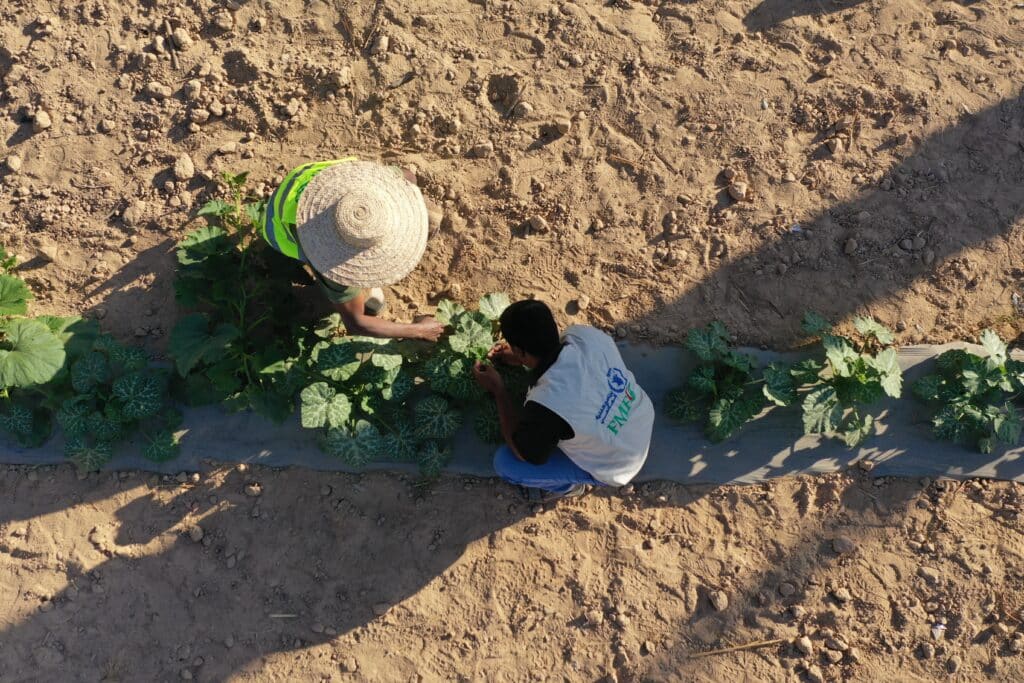
A Ripple Effect Across the Community
Saleh’s success has become a reference point for other farmers in Al-Khoweira and beyond. As word of his improved yields spread, several neighboring households have approached the project team requesting similar support, from drip irrigation systems to training in tunnel cultivation. This growing interest reflects a broader shift taking place in Sah District, where resilience is no longer an individual achievement but a shared community goal. By investing in one farmer’s capacity, the Food to Resilience project has set in motion a chain of learning and adaptation that extends well beyond a single household.
Sustainable Practices for the Future
The project provides direct support and focuses on changing how resources are managed and promoting sustainable practices.
“Today, we enjoy greater savings in income and water usage, and the work has become easier and more efficient. This project was an important step, and we hope it expands to all areas of Sah to achieve sustainable agricultural prosperity in the region,” Saleh says.
 After
After
 Before