Protection Programs
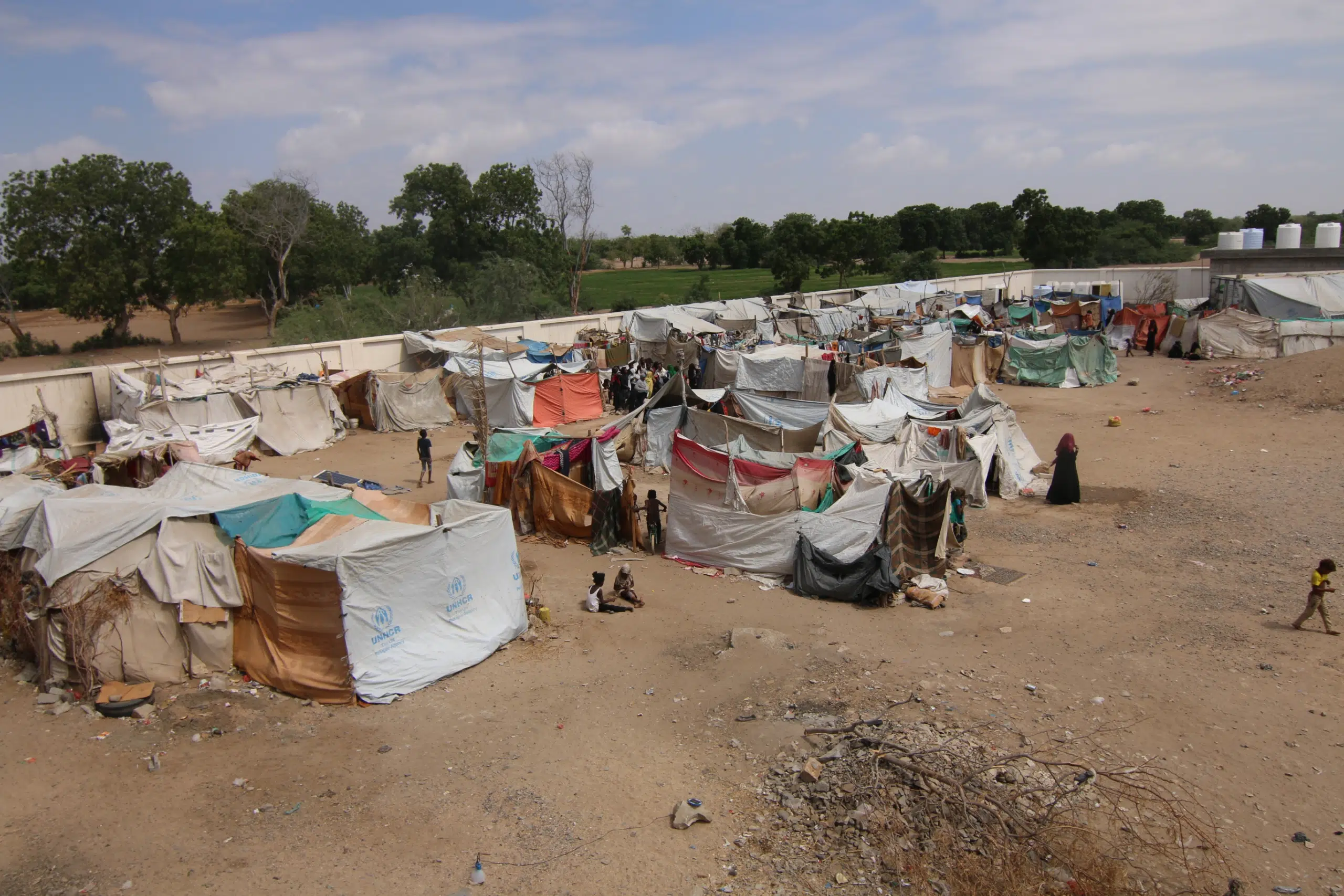
Millions of Yemenis continue to suffer from the world’s largest humanitarian crisis, facing displacement, loss, and diminished access to basic services.
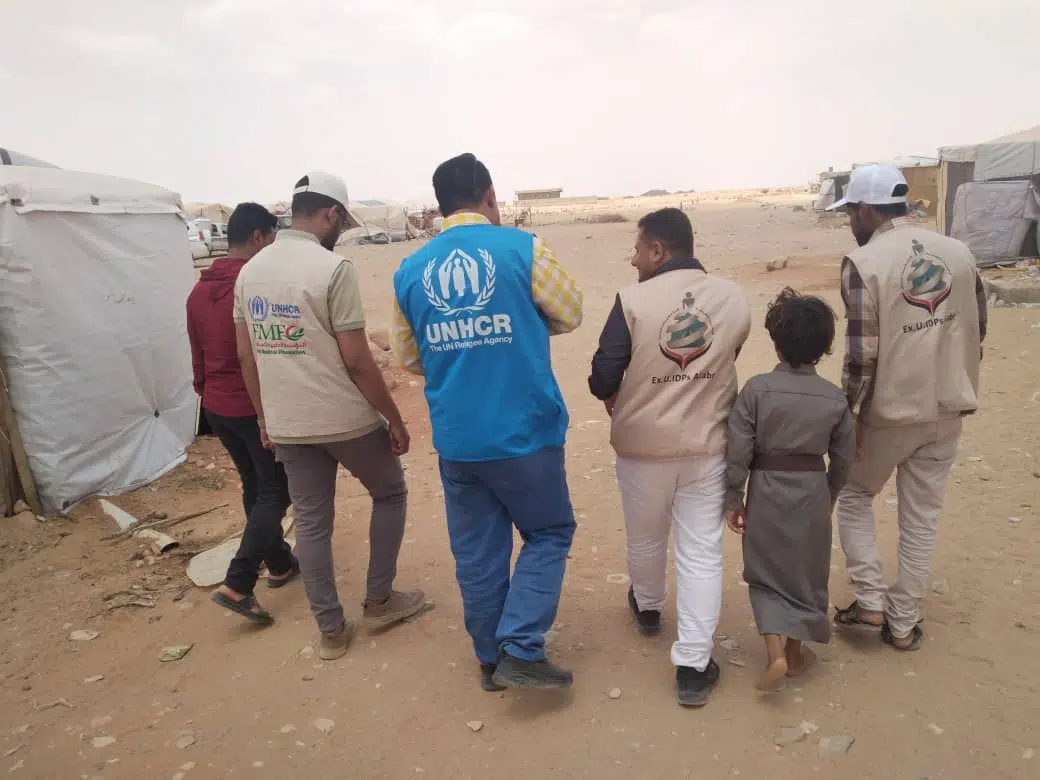
In response to these challenges, FMF delivers protection programs in Yemen that help vulnerable individuals and families access essential support, reduce protection risks, and connect with appropriate services. Through community-based approaches, legal awareness, psychosocial support, and referrals, FMF works to strengthen safety, dignity, and access to assistance for people facing heightened protection concerns.
FMF’s Protection Objective: Safeguard the dignity, rights, and wellbeing of the most vulnerable groups in Yemen—especially women, children, and survivors of violence.
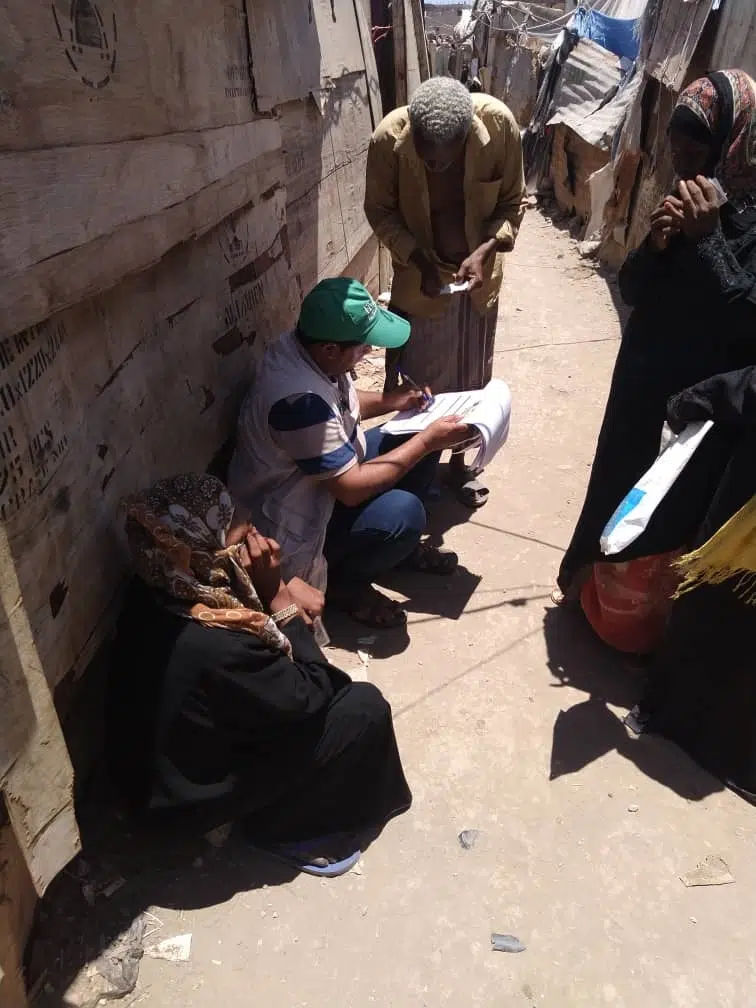
Our Approach: FMF’s protection approach responds to the different risks faced by vulnerable individuals and families, particularly those affected by displacement, conflict, economic hardship, and limited access to essential services. Activities are implemented through community-based mechanisms that help identify risks, raise awareness, and connect people with appropriate support.
Impact: Each year, FMF supports thousands of people through protection activities that strengthen coping mechanisms, improve access to support, and contribute to safer community environments.
What we do for Protection in Yemen
Our work in the Protection program

Community-Based Protection
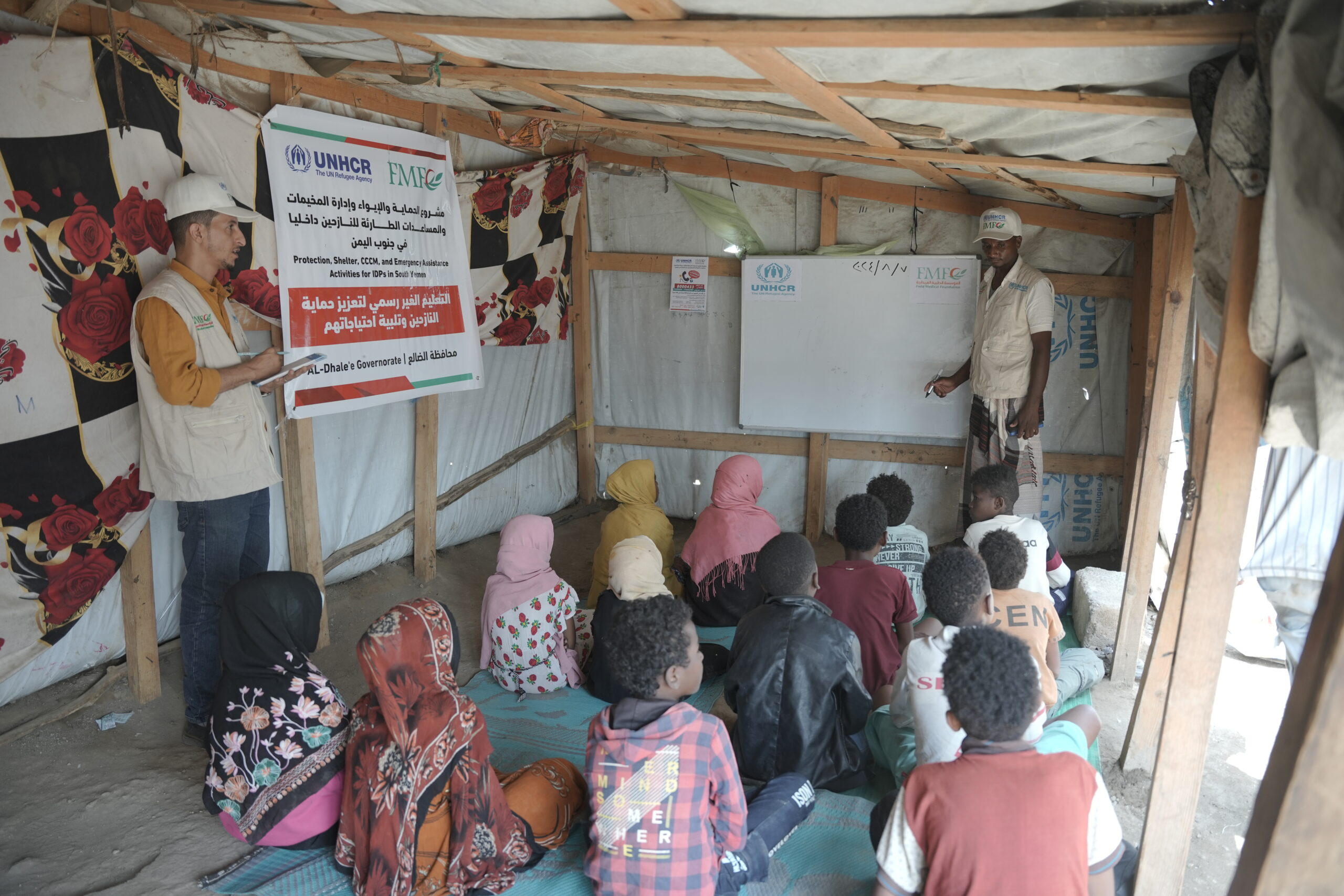
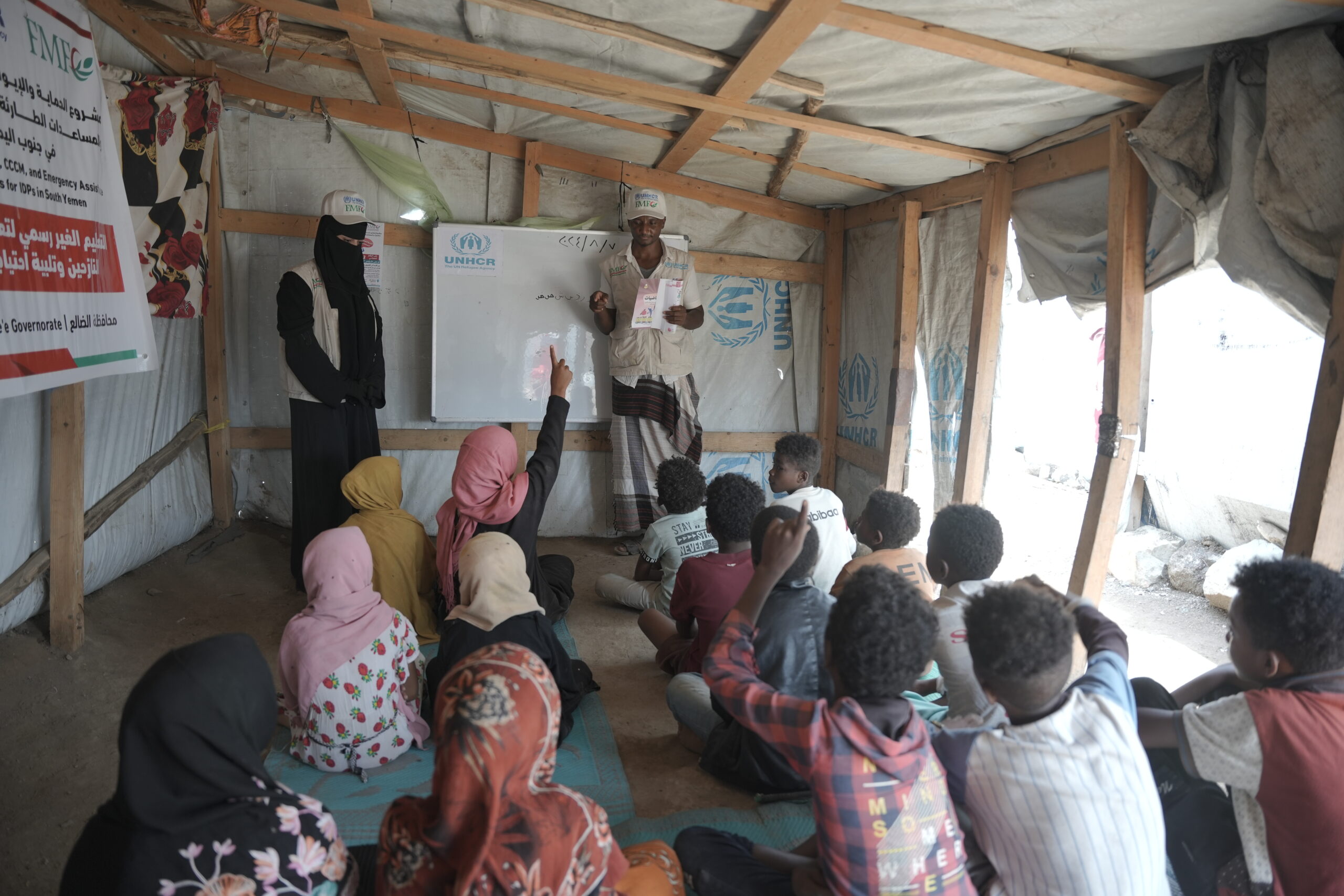
Strengthening local safety nets, supporting survivors of violence or exploitation, and promoting inclusion of people with disabilities, women, and children.

Legal Awareness & Representation
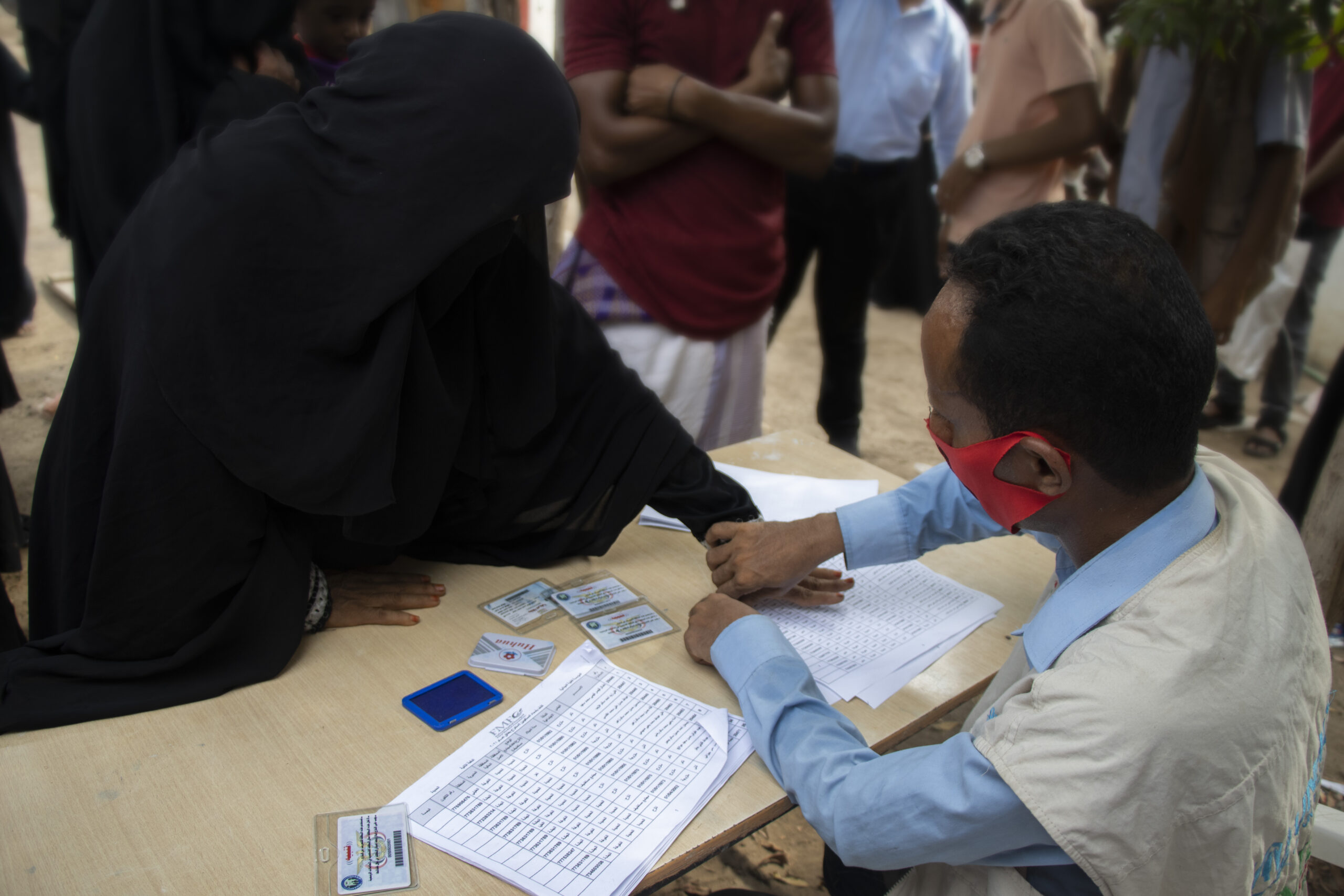
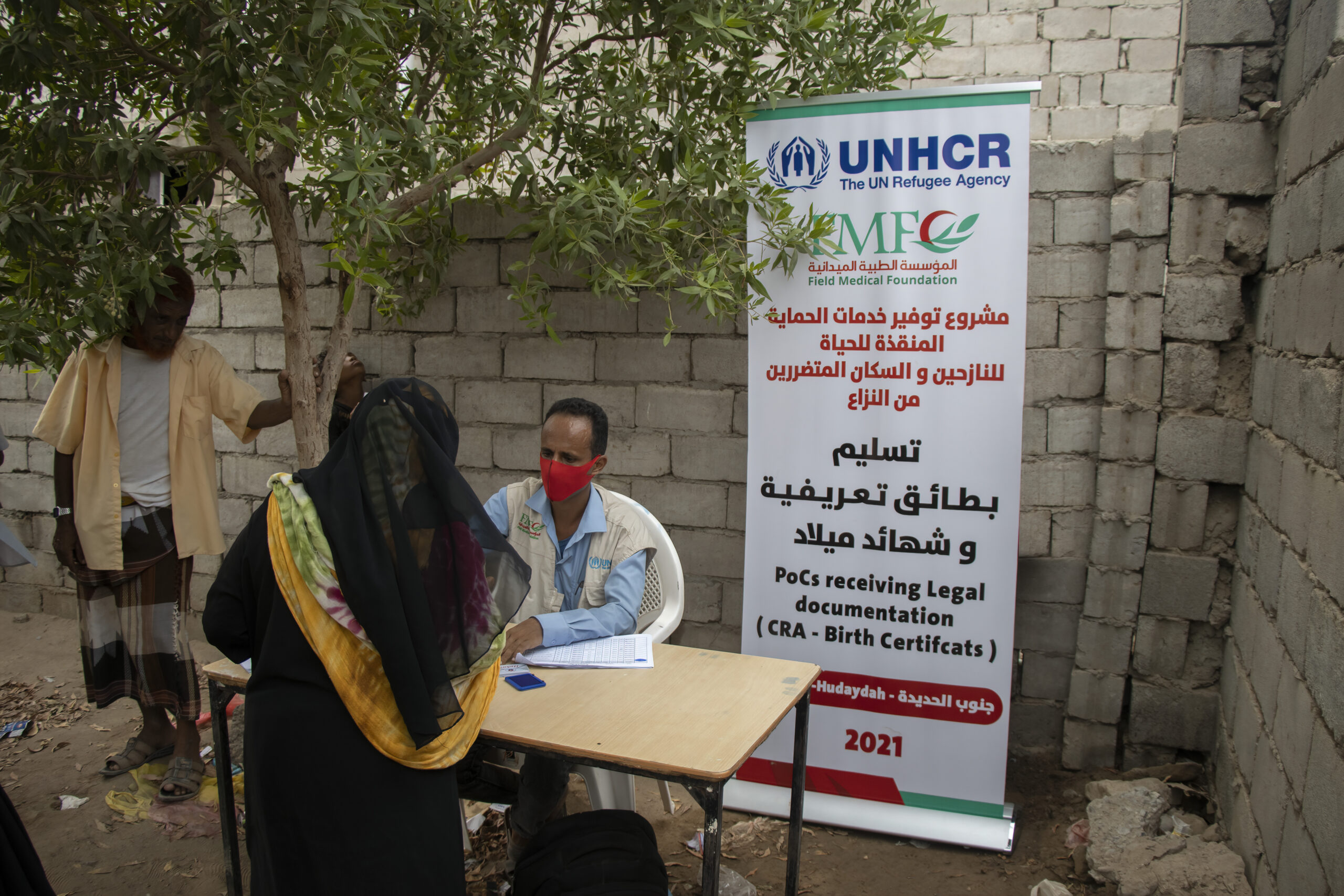
Delivering information sessions and legal support to help displaced families and individuals understand their rights, navigate legal challenges, and access humanitarian aid.

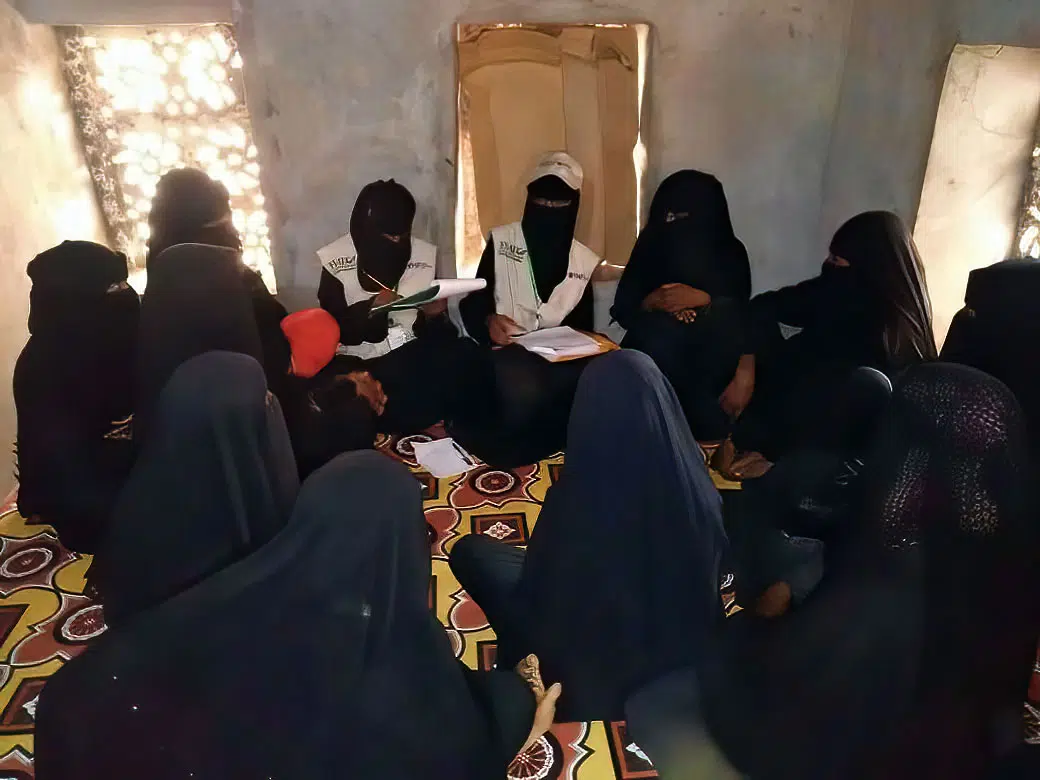
Psychosocial Support
Providing specialized counseling and group sessions to address trauma, anxiety, and stress among affected communities, fostering resilience and wellbeing.

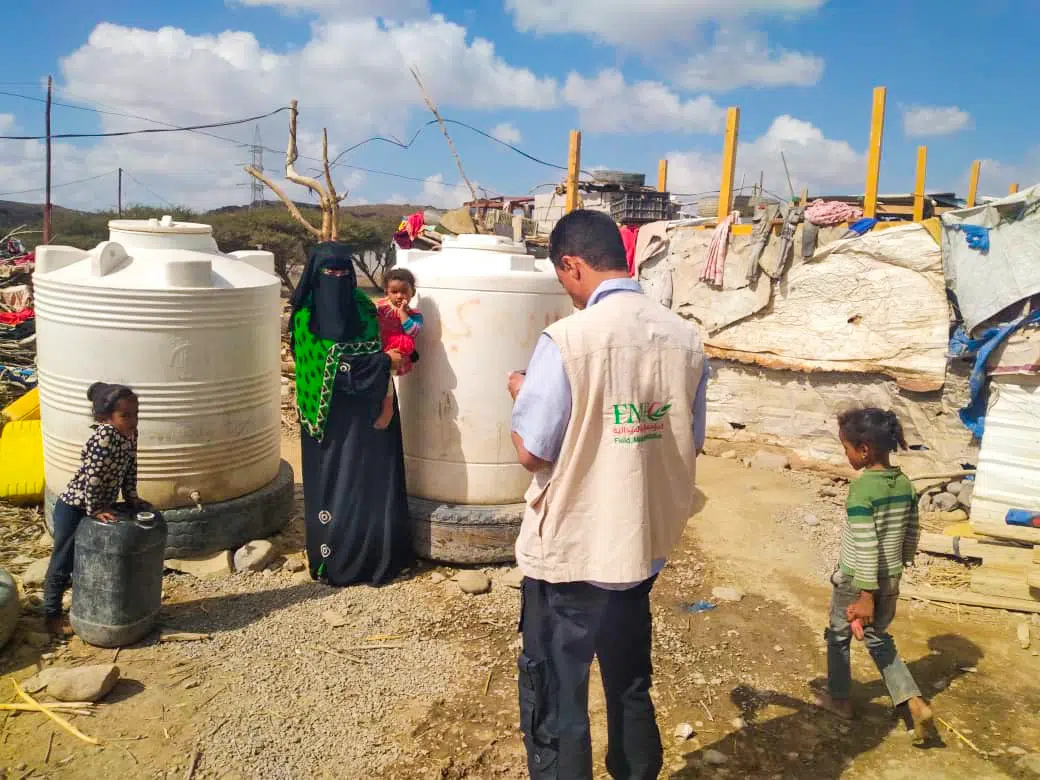
Family Assessments
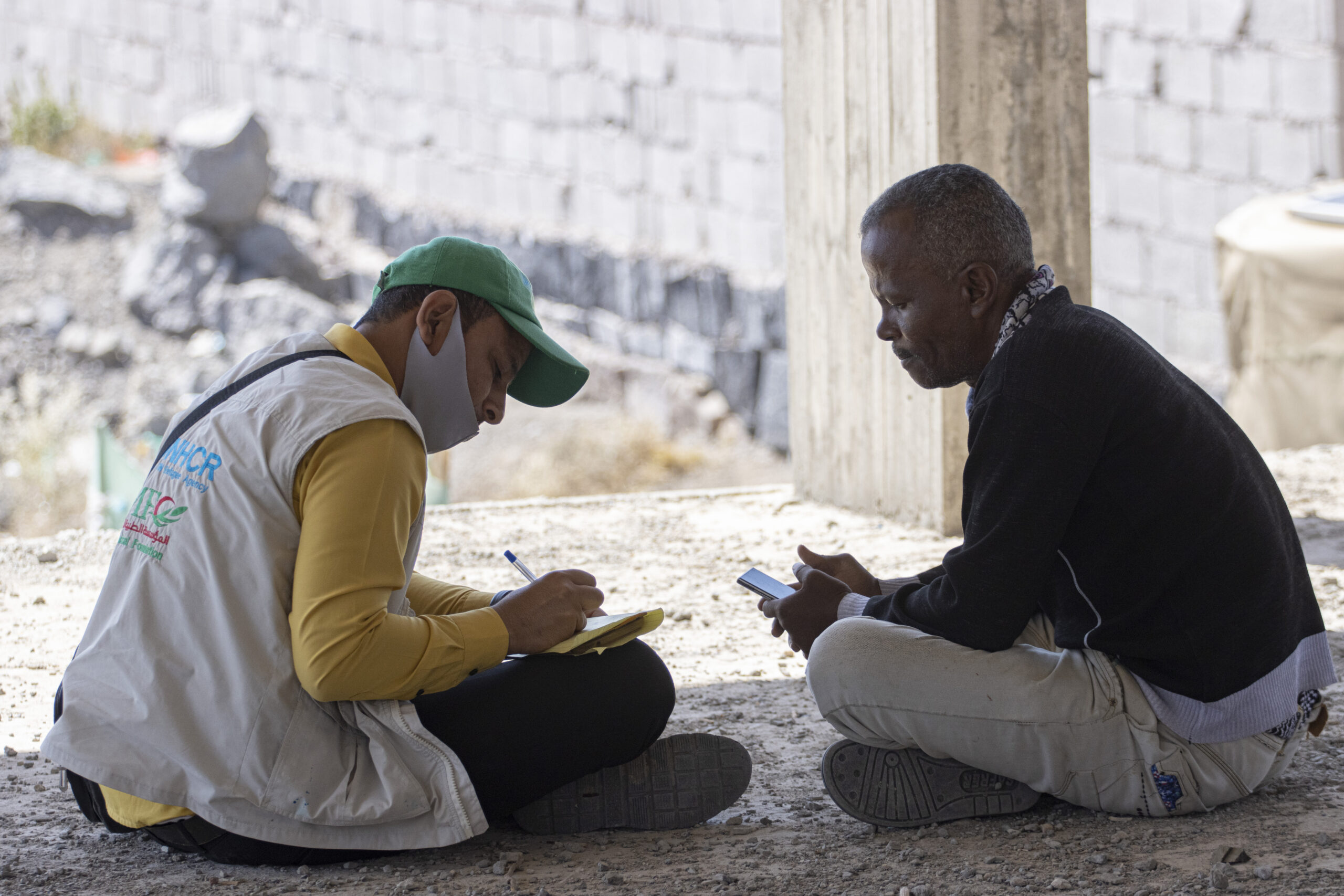
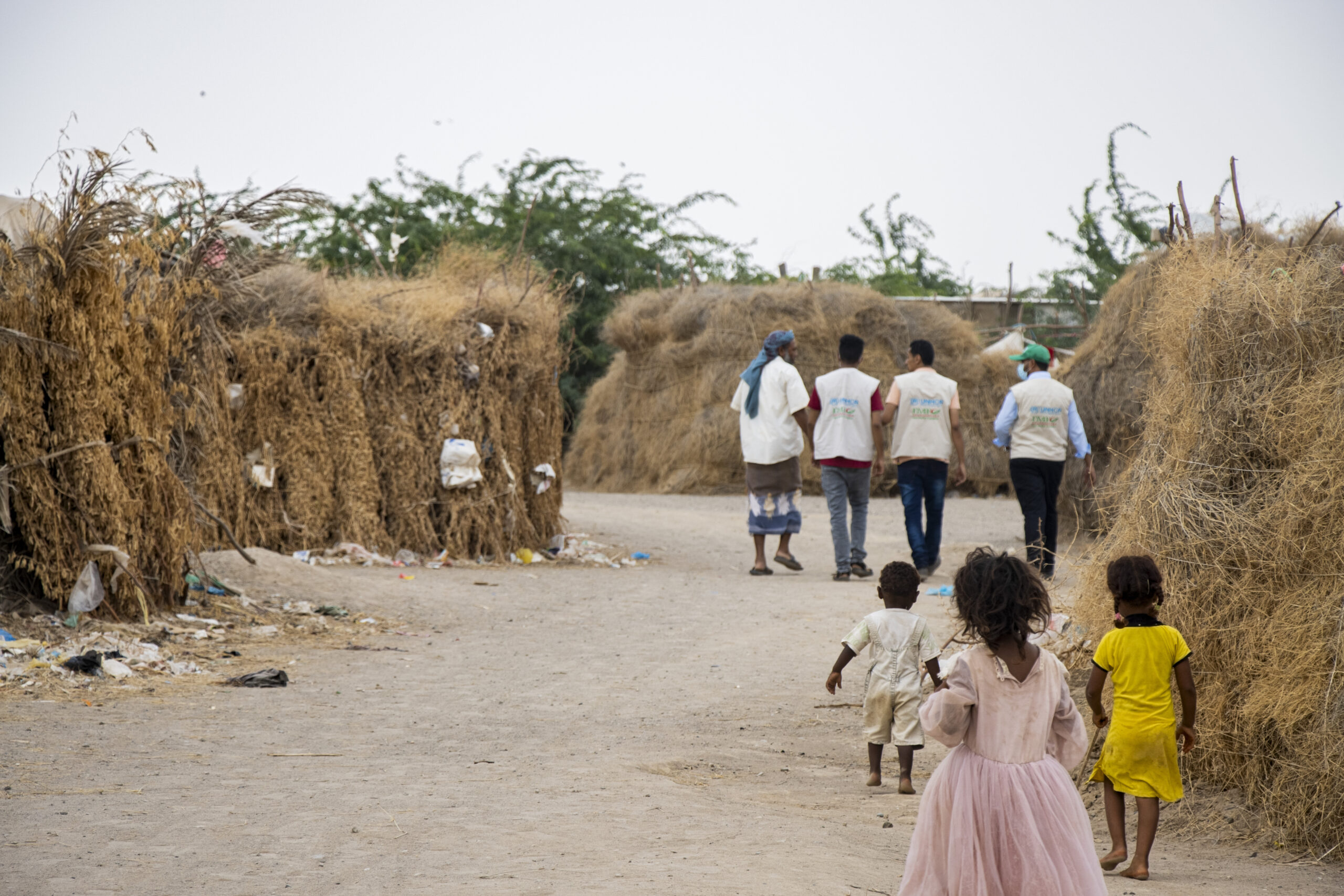
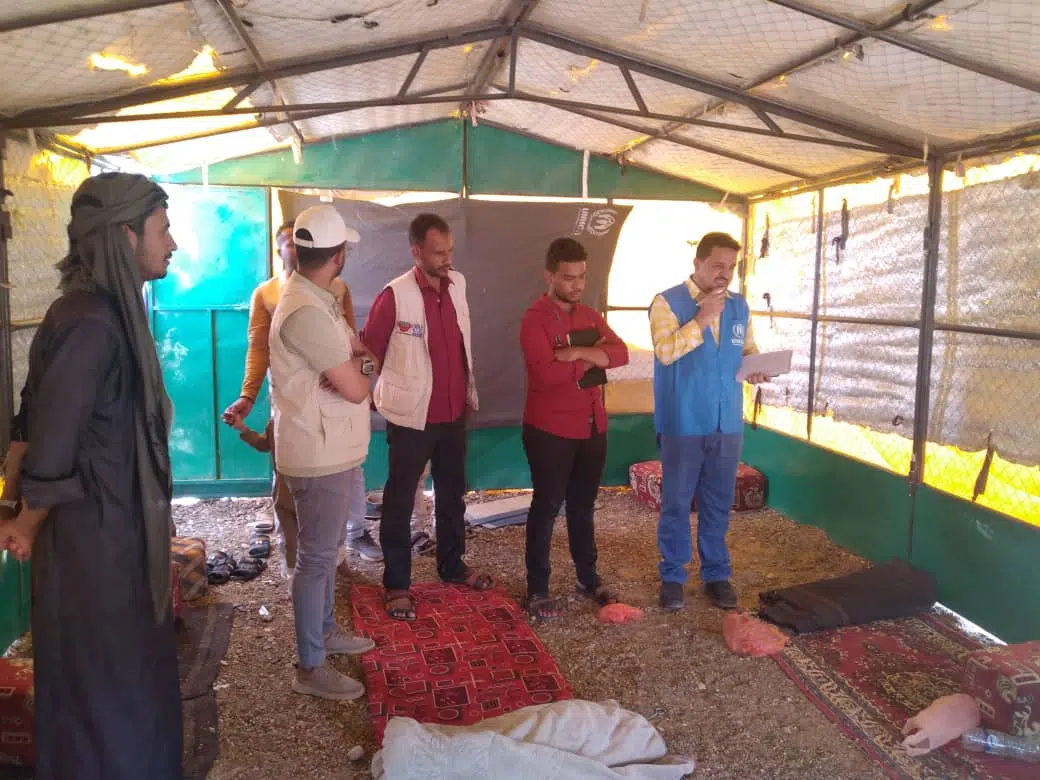
Conducting regular visits and consultations to identify individual vulnerability, set up referral pathways, and guide families toward available protection services.