
S
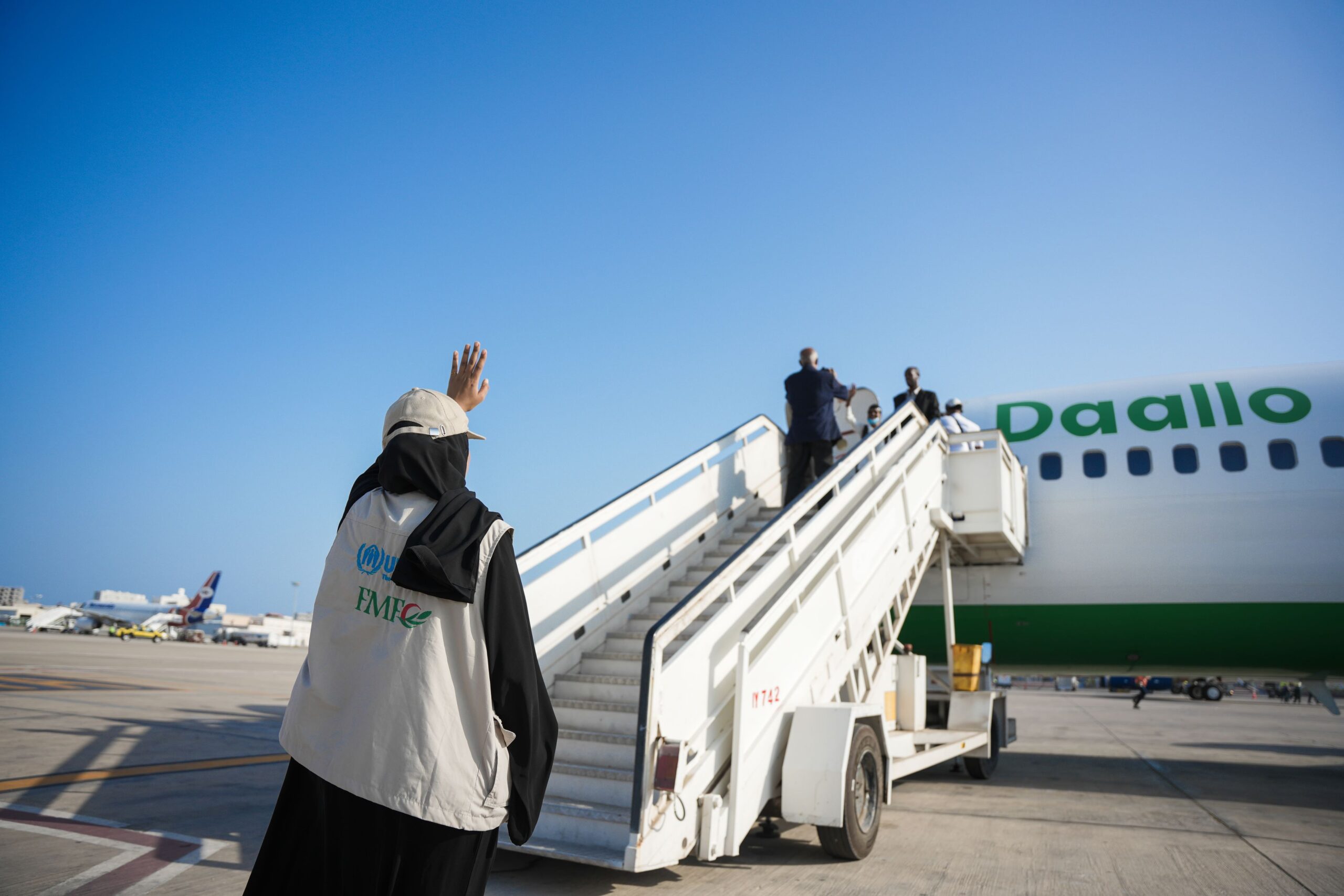
Over two years, Field Medical Foundation (FMF), in partnership with UNHCR, the UN Refugee Agency, has supported Somali refugees in Yemen who have chosen to return home voluntarily — from sea movements between Aden and Berbera to the introduction of charter flights from Aden to Mogadishu, expanding access to safe and dignified return.
For refugees who may have spent years away from home, return does not begin at an airport gate or on a seaport dock.
It begins much earlier: with a personal decision, access to reliable information and counselling to ensure that the choice is voluntary and informed, followed by a series of steps that turn that decision into a safe and organized journey home.
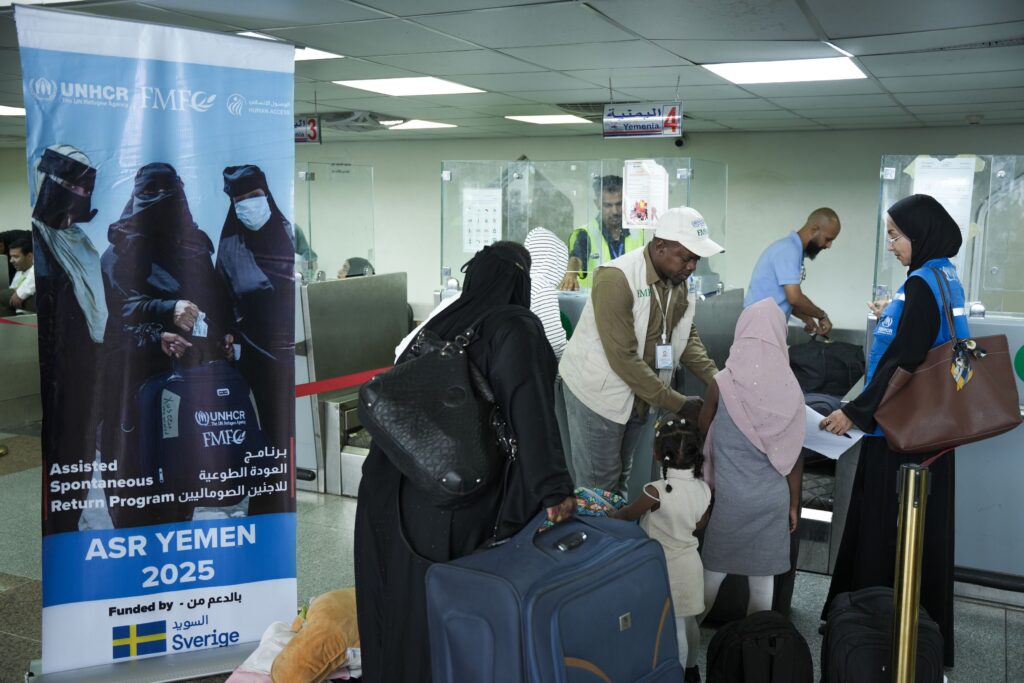
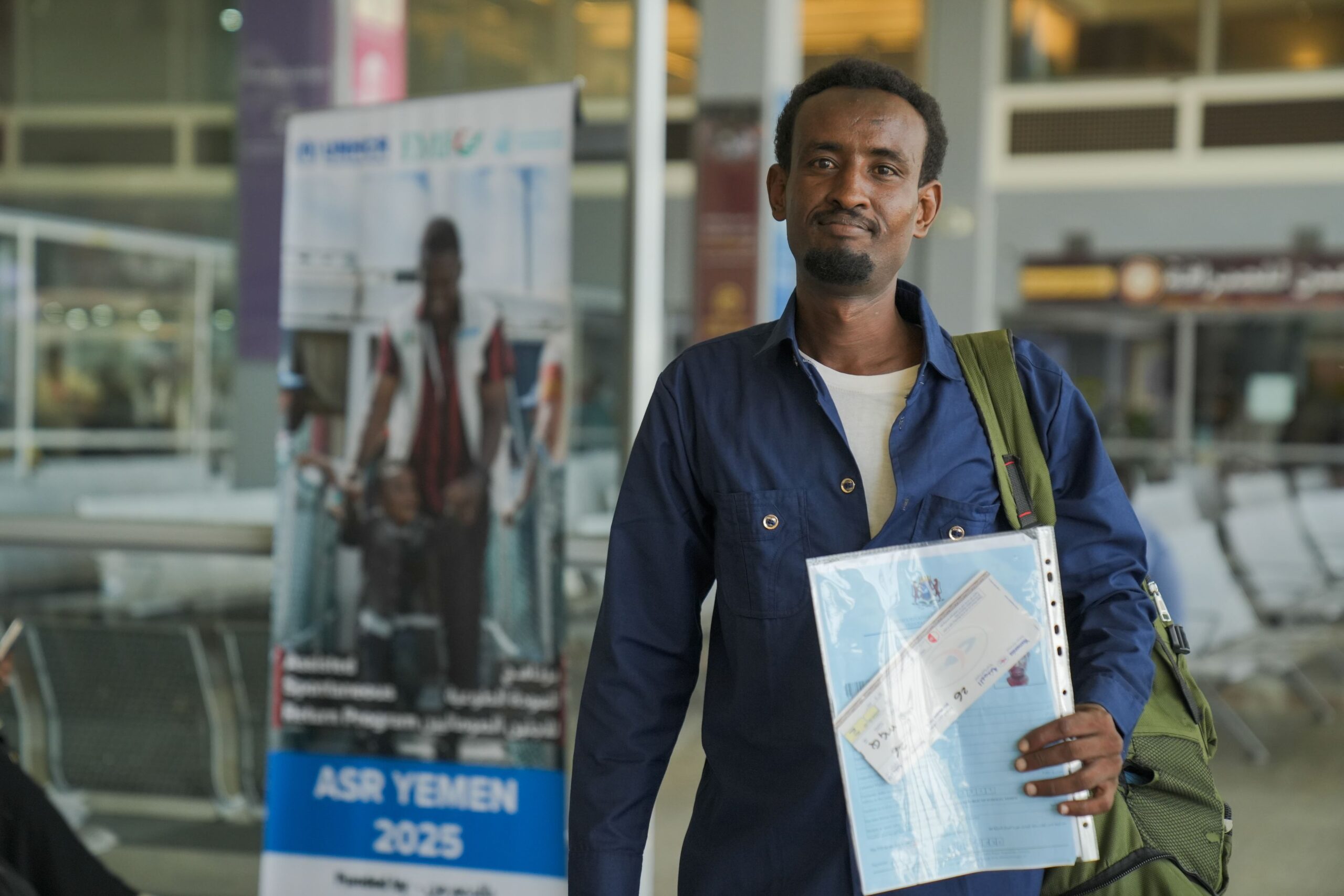
This is at the heart of UNHCR’s Assisted Spontaneous Return (ASR) Programme, which supports Somali refugees in Yemen who wish to return to Somalia.
Through ASR, refugees receive counselling and information to support informed decision-making, as well as medical screening, documentation, travel facilitation and reintegration assistance after arrival in Somalia. UNHCR stresses that participation is voluntary and that services provided by UNHCR and its partners are free of charge.
A partnership that turns a decision into a journey home
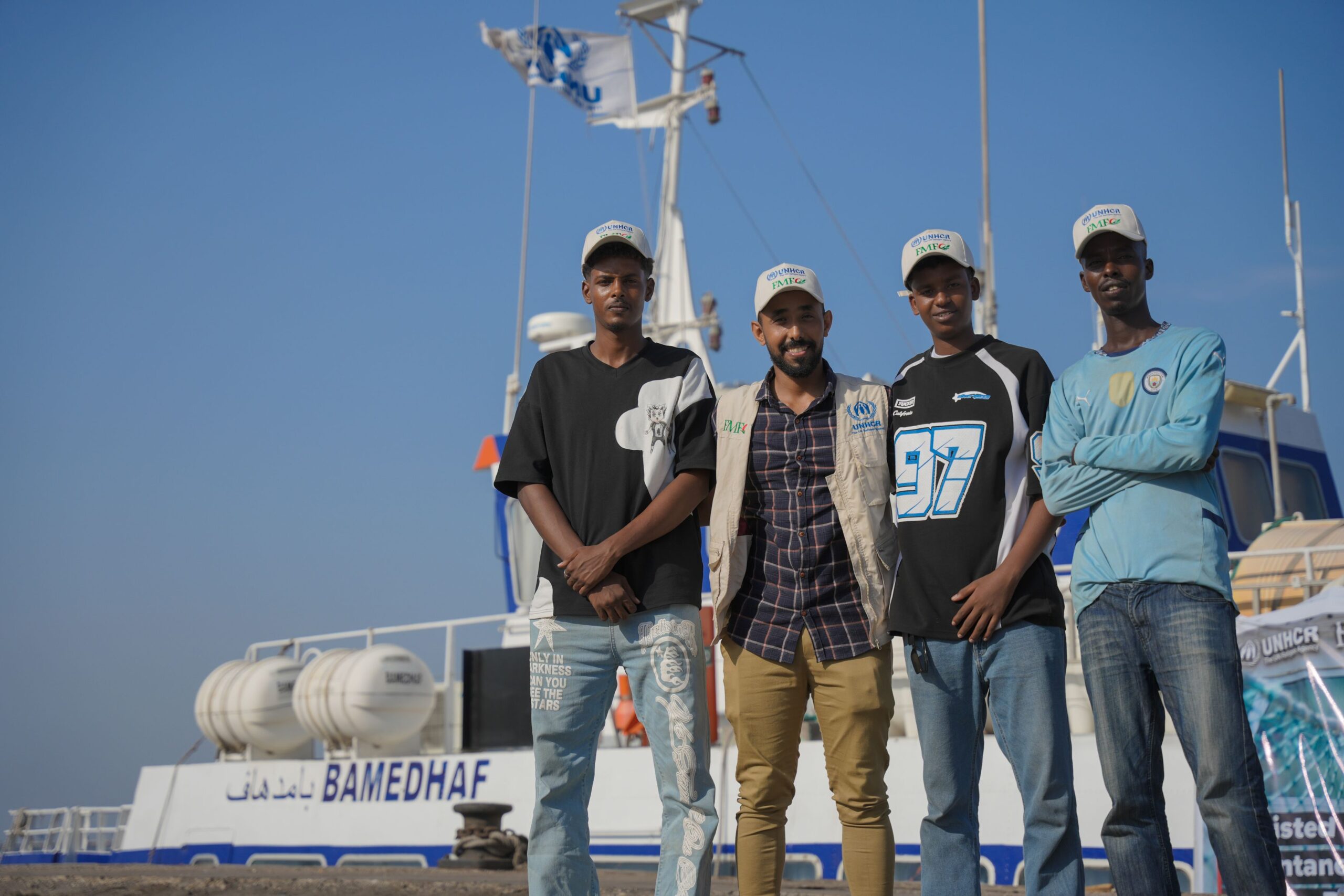
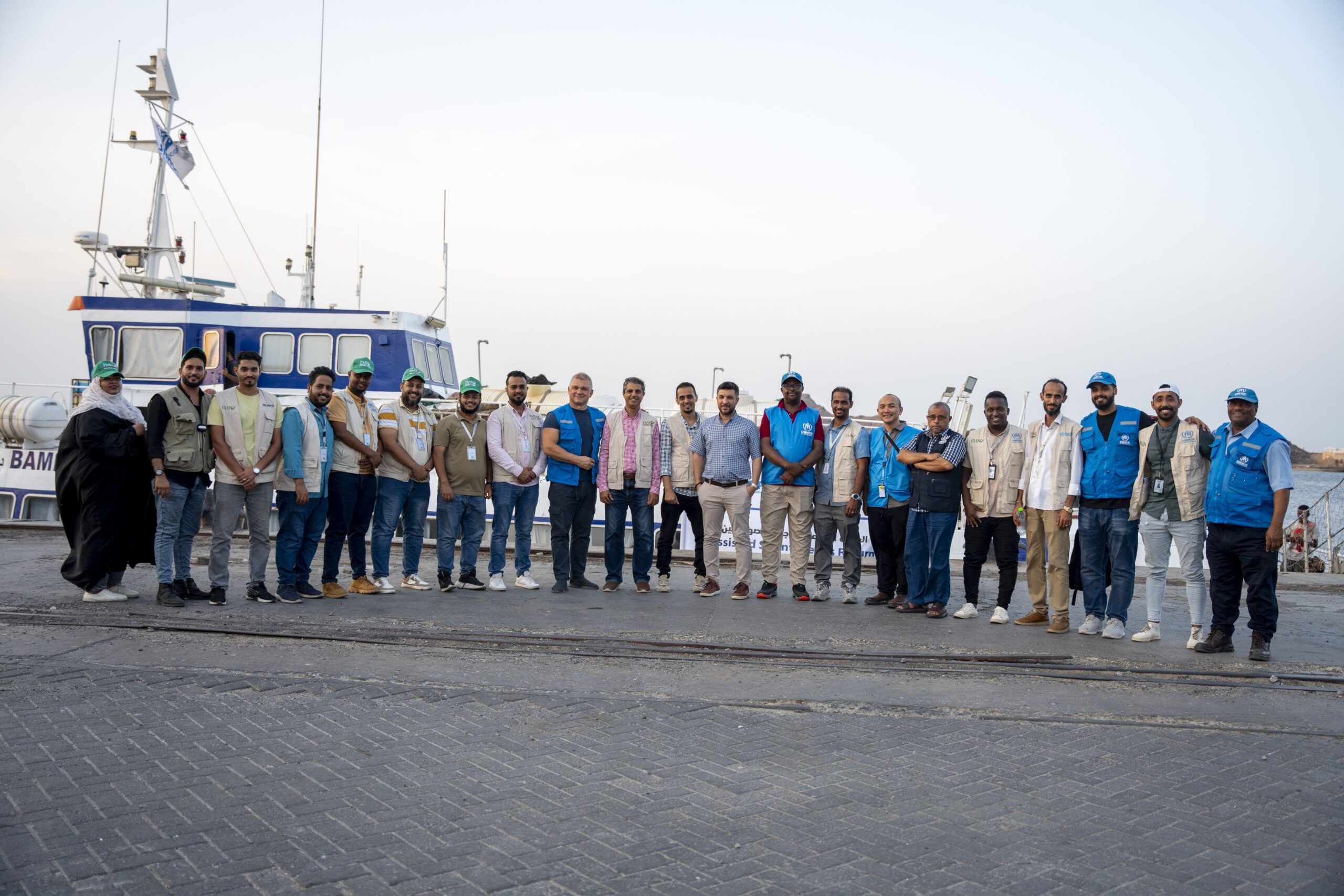
Throughout 2024 and 2025, Field Medical Foundation worked in partnership with UNHCR and in coordination with relevant authorities to support the return process from its preparatory stages through departure.
FMF’s project documentation identifies coordination with local authorities, the Embassy of the Federal Republic of Somalia, Aden seaport and airport authorities, and Yemen’s immigration and passport authorities as part of the process.The work goes far beyond arranging transportation.
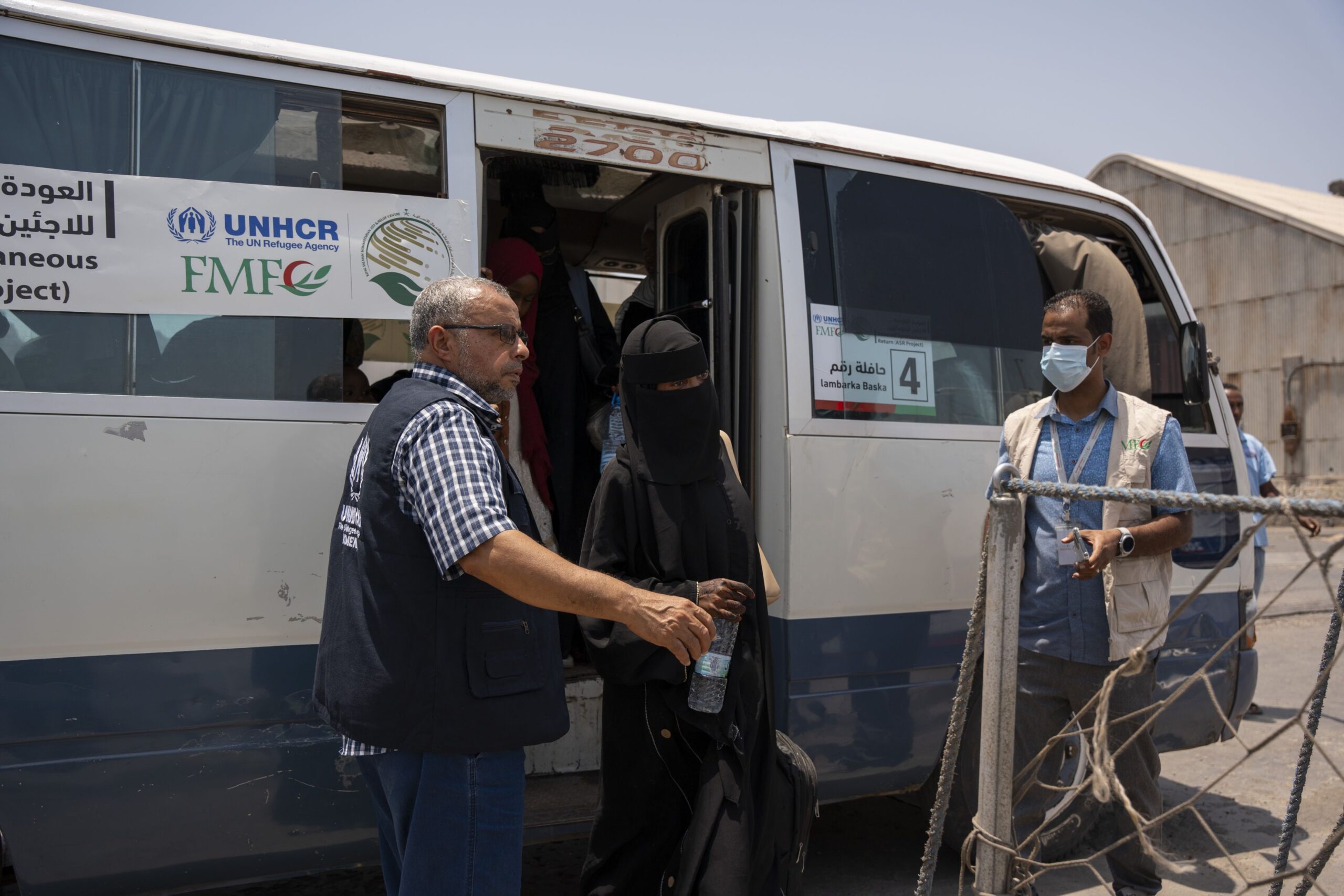
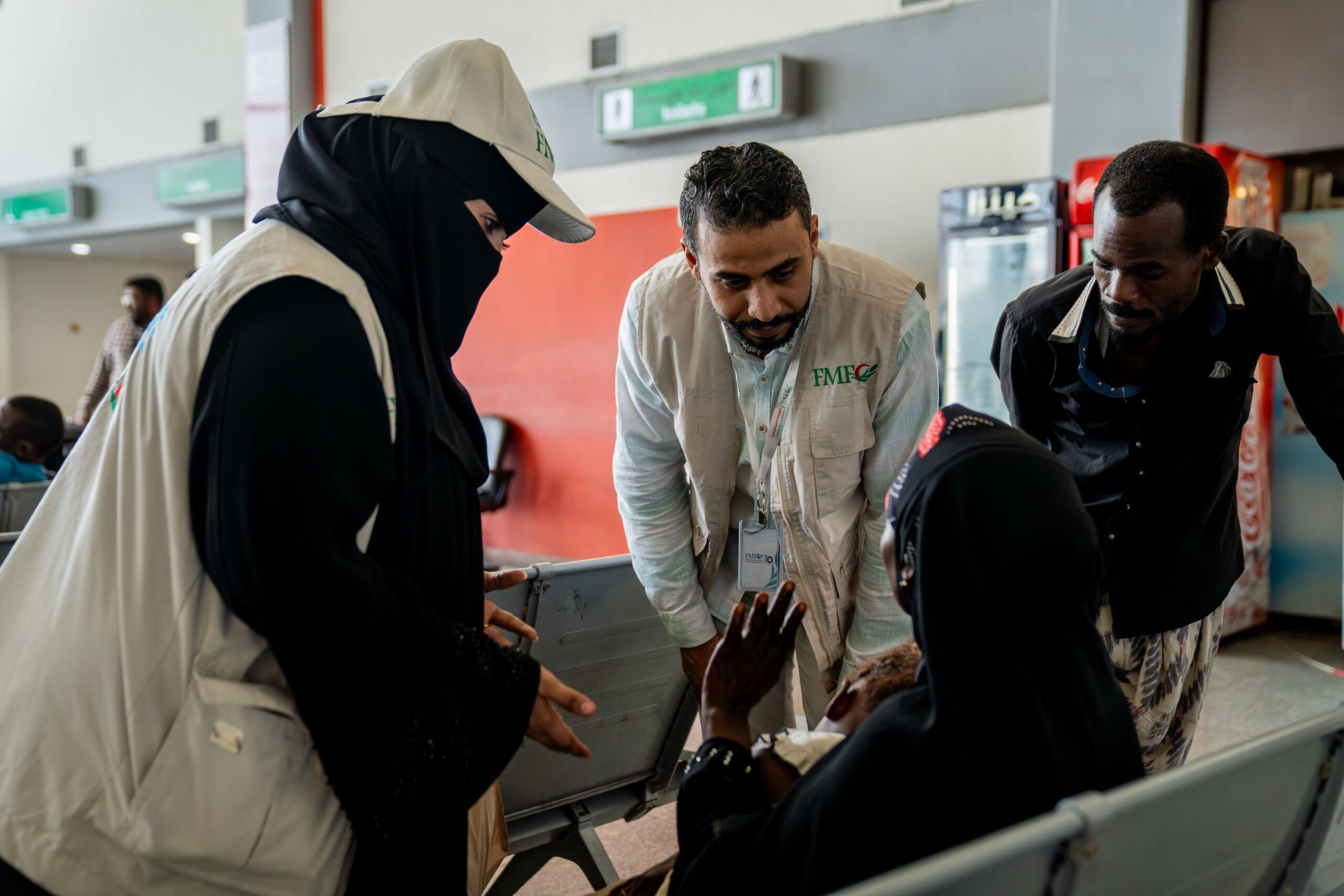
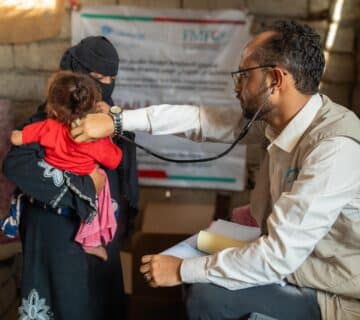
Every departure is preceded by coordinated steps that include counselling, assessment, medical screening, documentation, travel procedures and logistical arrangements designed to help ensure that return takes place in an organized manner that respects the dignity of those travelling.
UNHCR’s ASR framework similarly sets out a process extending from outreach, counselling and assessment to travel documentation, exit procedures, departure and support for onward movement after arrival in Somalia.
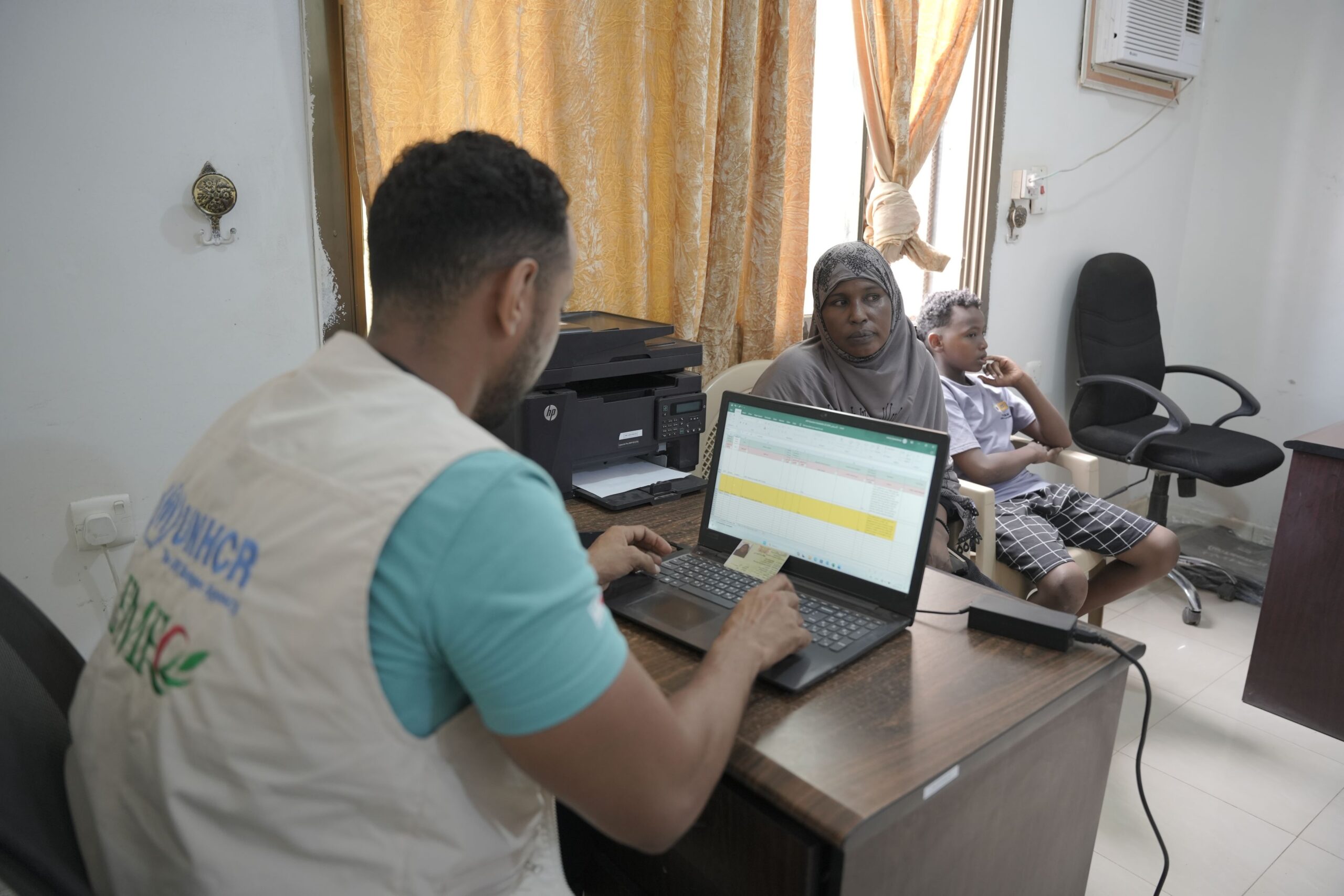
In Basateen, Aden, UNHCR currently directs Somali refugees interested in ASR to the FMF Return Help Desk, formally recognizing it as one of the points through which refugees can access information and apply for the programme.
2024: Nine journeys home by sea
The year 2024 marked an important phase of the partnership.
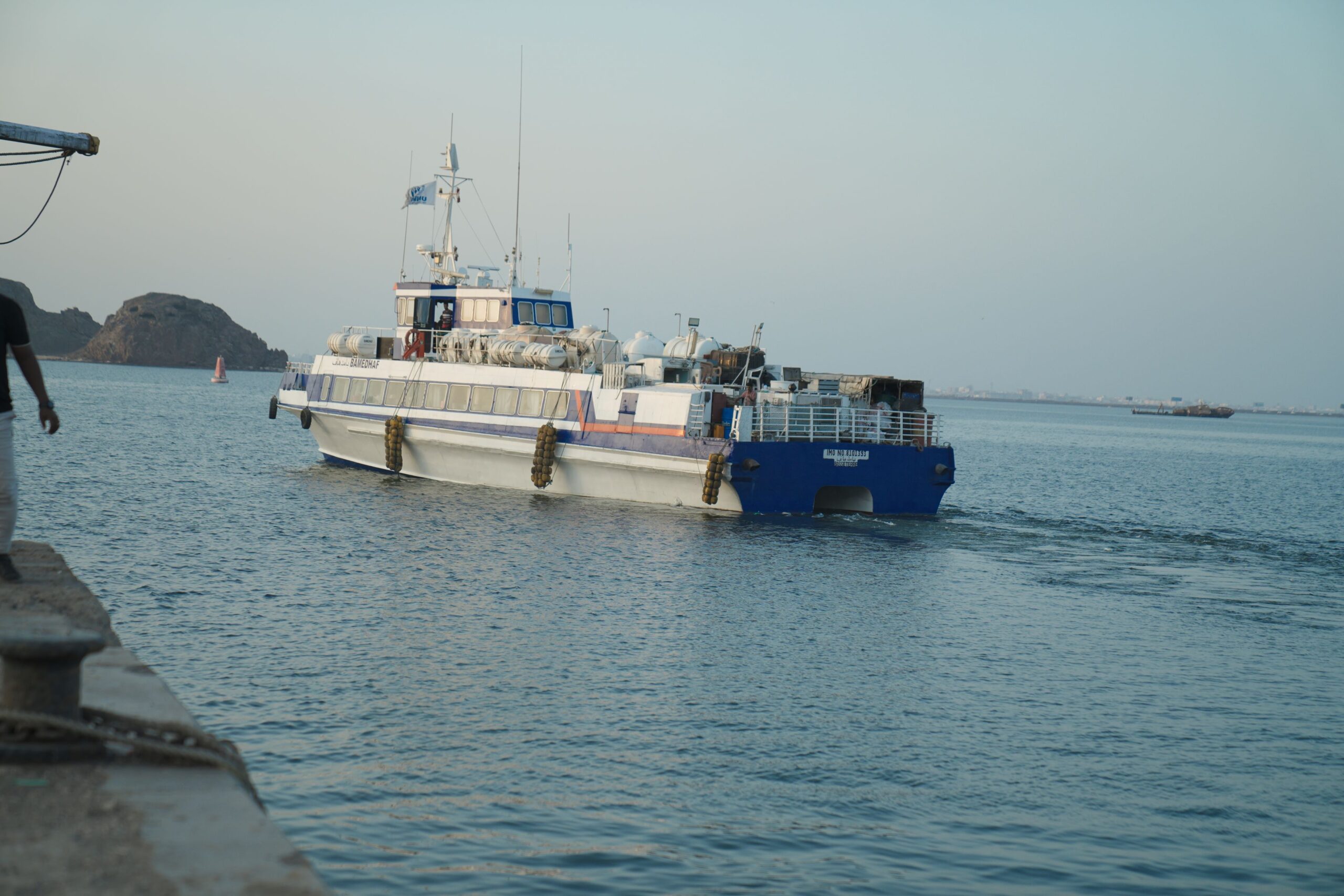
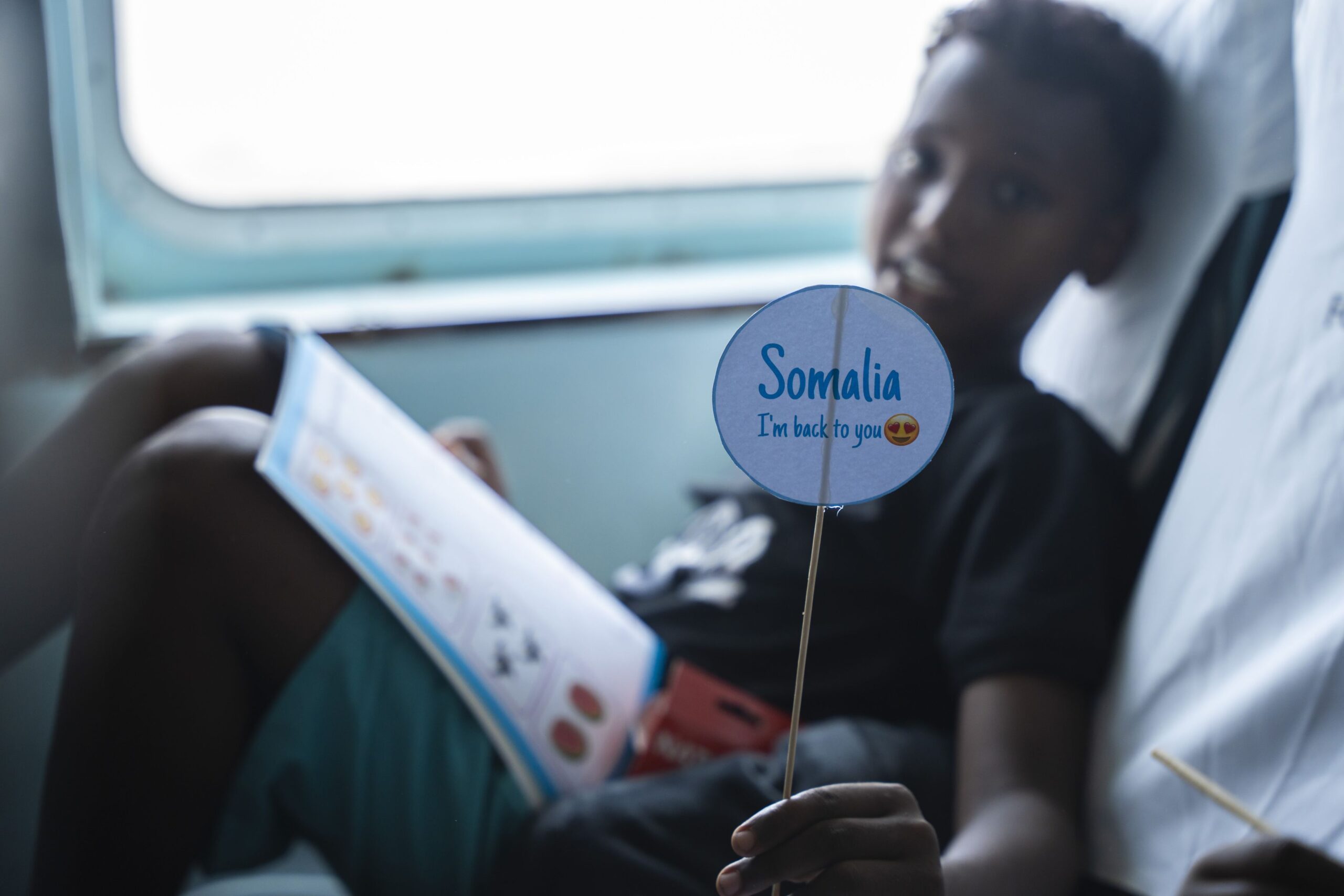
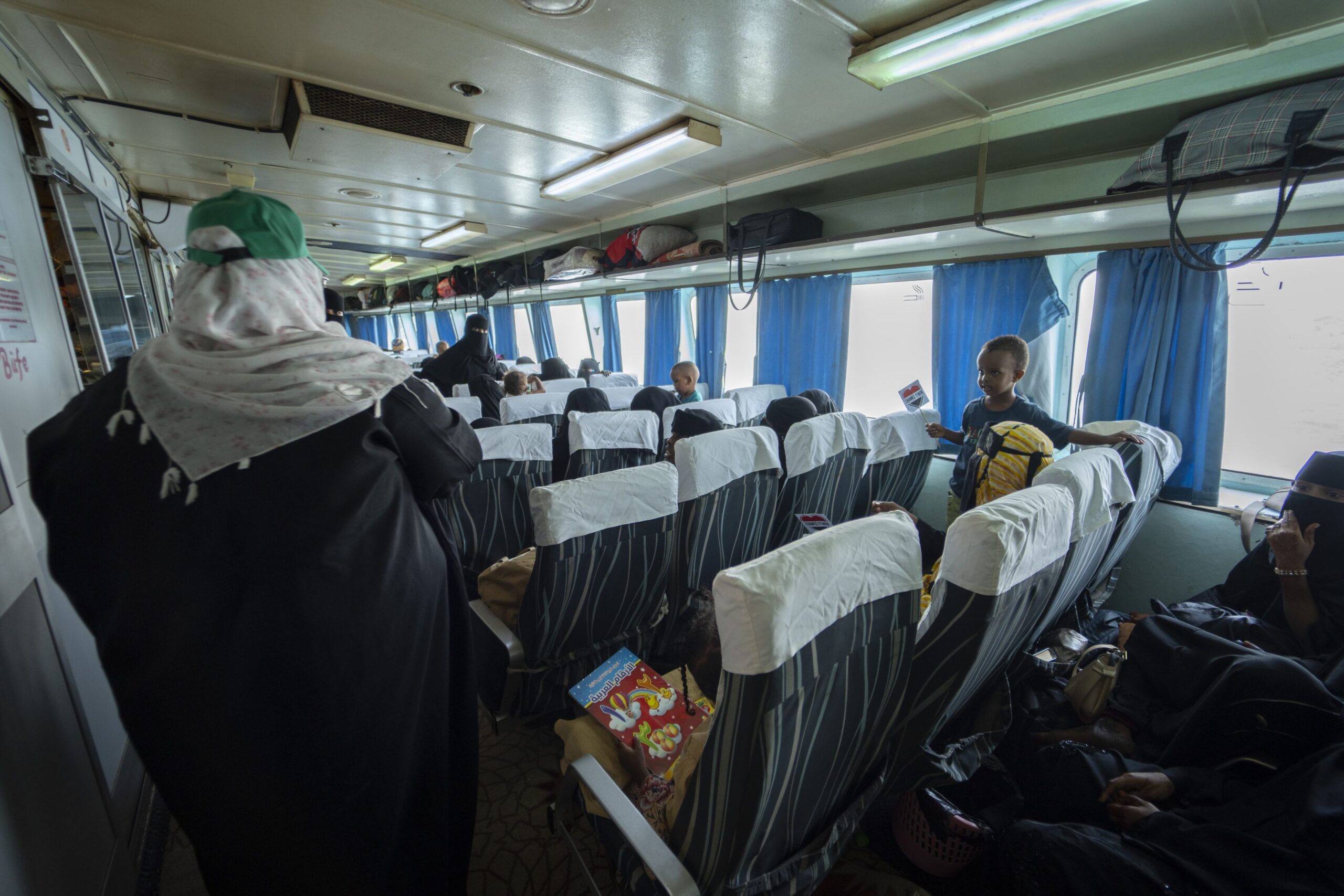
According to FMF’s programme records, the Foundation supported 1,055 Somali refugees to return home through nine sea voyages during the year.
Sea movements have long formed an important part of ASR. Returnees depart from the Port of Aden for Berbera before continuing onward to their areas of return within Somalia.
UNHCR defines ASR as a process that enables Somali refugees and asylum-seekers to make informed decisions about possible return and, for those who decide to do so, supports their safe and dignified journey home.
For every family boarding those vessels, however, the journey had begun long before they reached the port with counselling, confirmation that the decision was voluntary, documentation, health checks and the practical arrangements required for departure.
2025: From sea to sky
In 2025, the return programme entered a new phase.
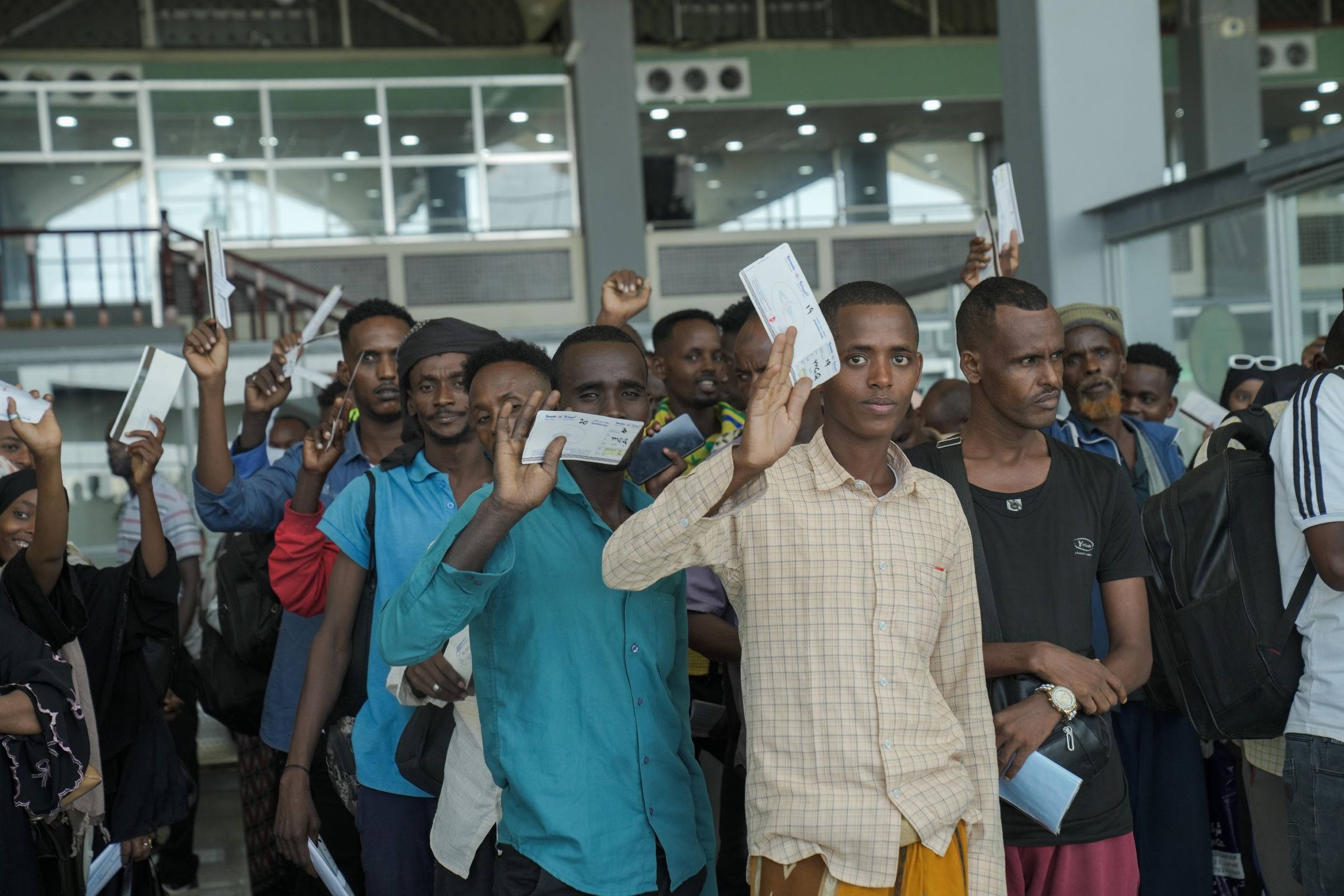
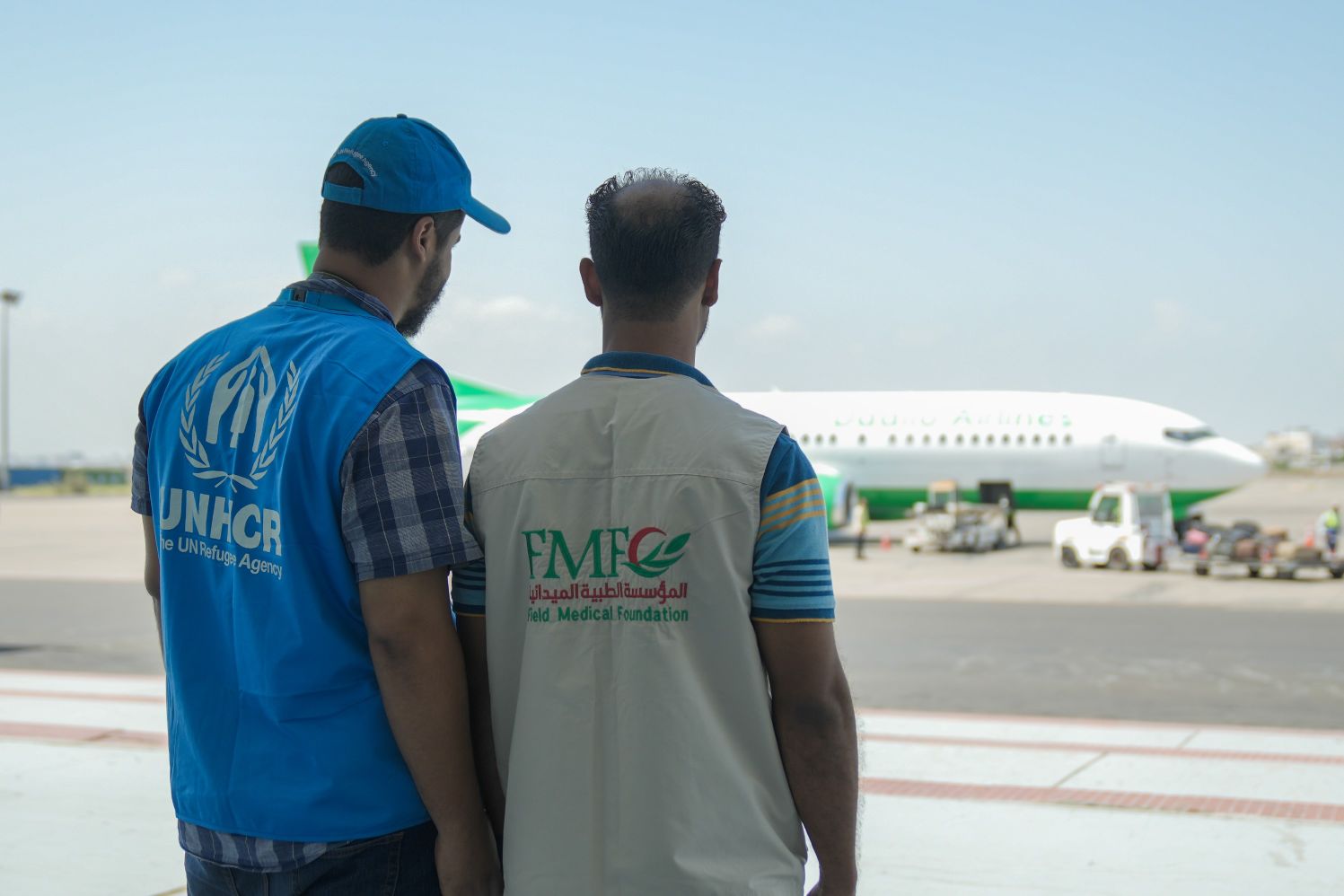
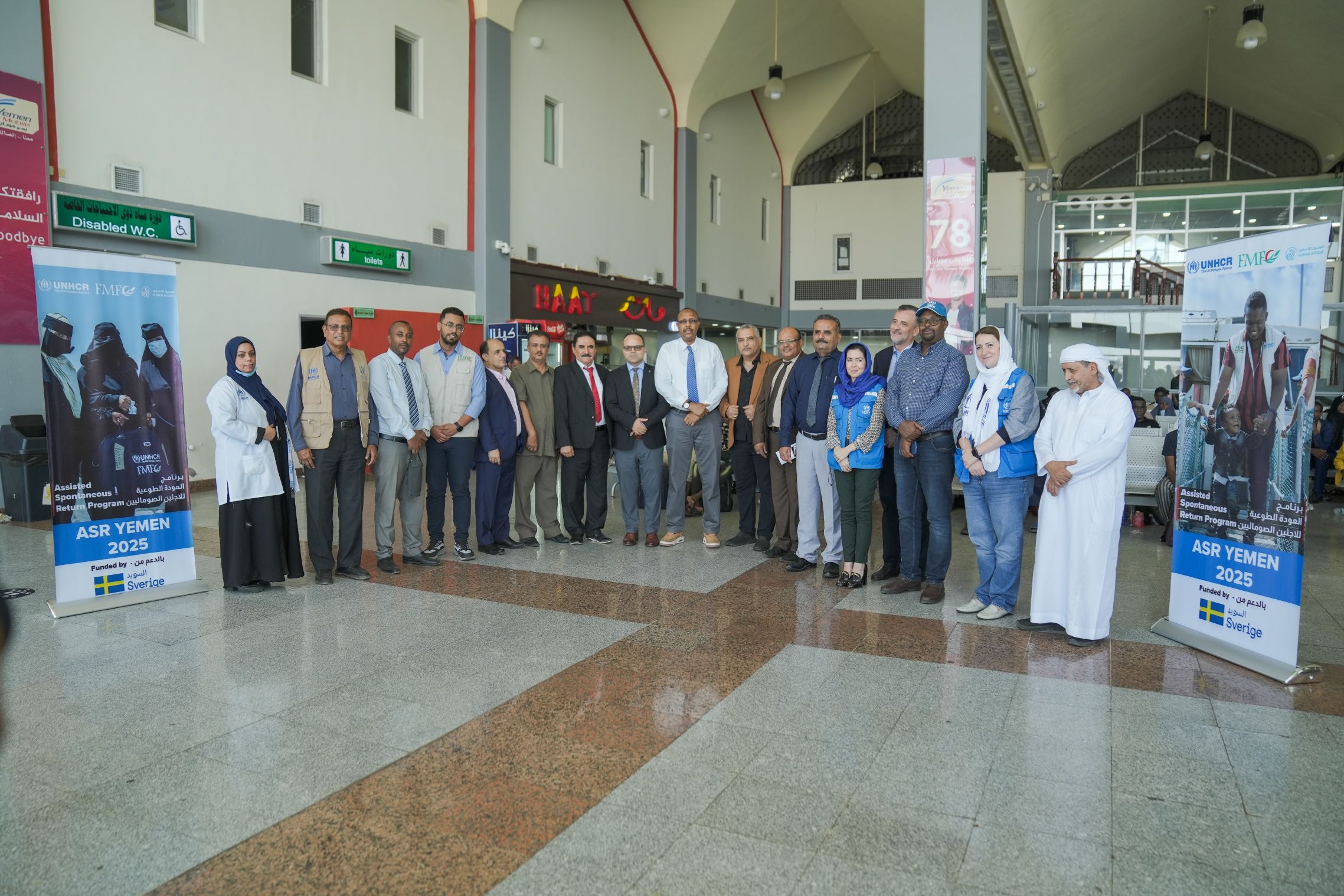
For the first time, charter flights from Aden to Mogadishu were introduced alongside existing sea movements.
UNHCR reports that the new air modality expanded access to voluntary return and provided a more efficient and accessible option, particularly for people with specific needs.
During the year, 957 Somali refugees returned through organized movements, while 1,386 people received return counselling and information. Standard procedures included biometric verification and medical screening, alongside support with documentation, exit procedures and coordination with the relevant authorities.
FMF’s project documentation records six air movements and one sea voyage during 2025.
The shift from sea-only movements to the addition of air travel was more than a change in transportation. It expanded the pathways available to refugees choosing to return and established a direct organized route between Aden and Mogadishu.
The journey begins before departure
Behind every departure figure is a carefully coordinated human process.
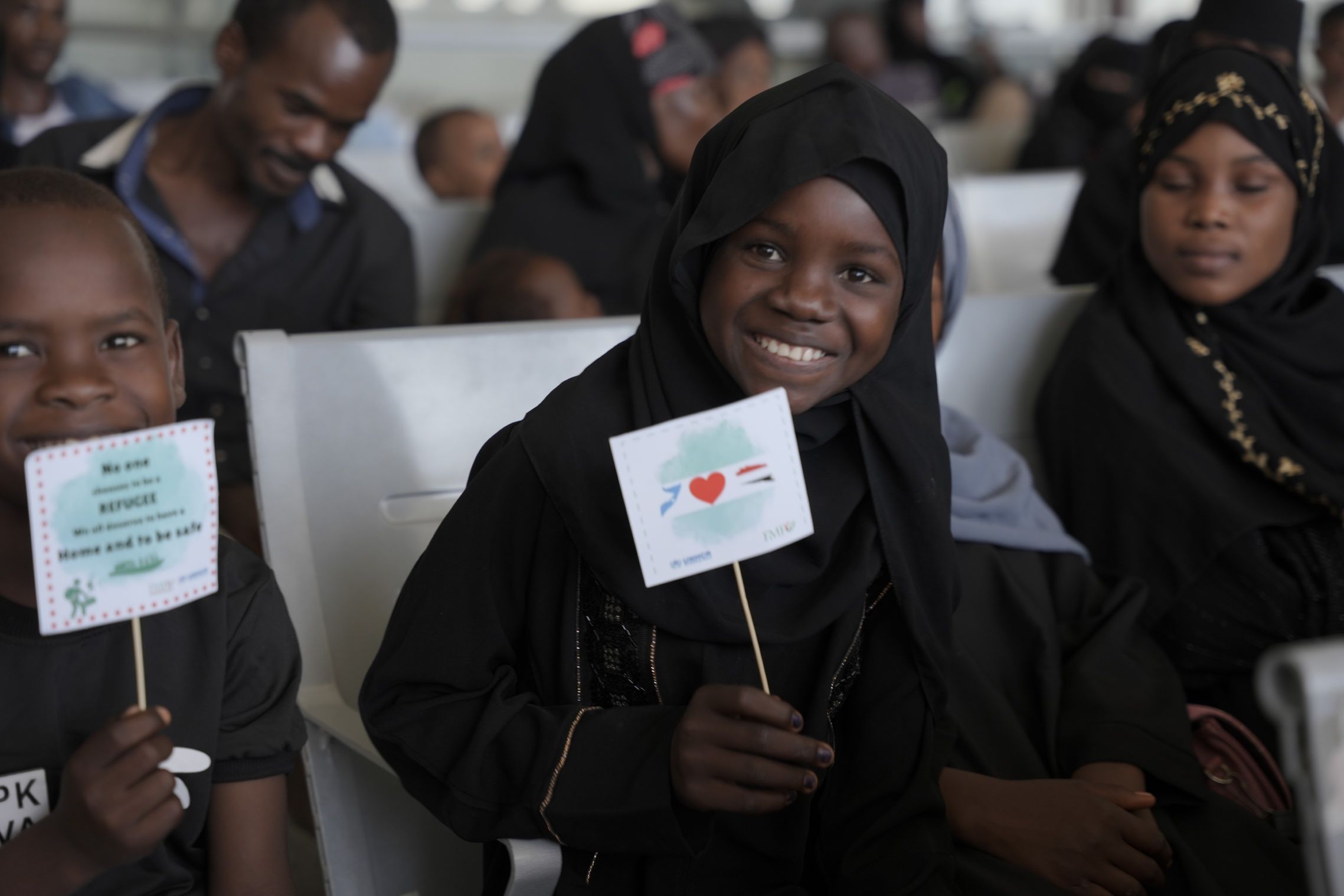
When an individual or family expresses an interest in returning, counselling and information help them understand the programme and conditions in their intended area of return so that they can make a free and informed decision.
Assessments, medical screening, documentation and travel procedures follow, together with coordination for departure and arrival.
And the assistance does not simply end when the journey crosses the border. UNHCR’s return approach also includes support in Somalia to help returnees with their initial reintegration and onward movement.
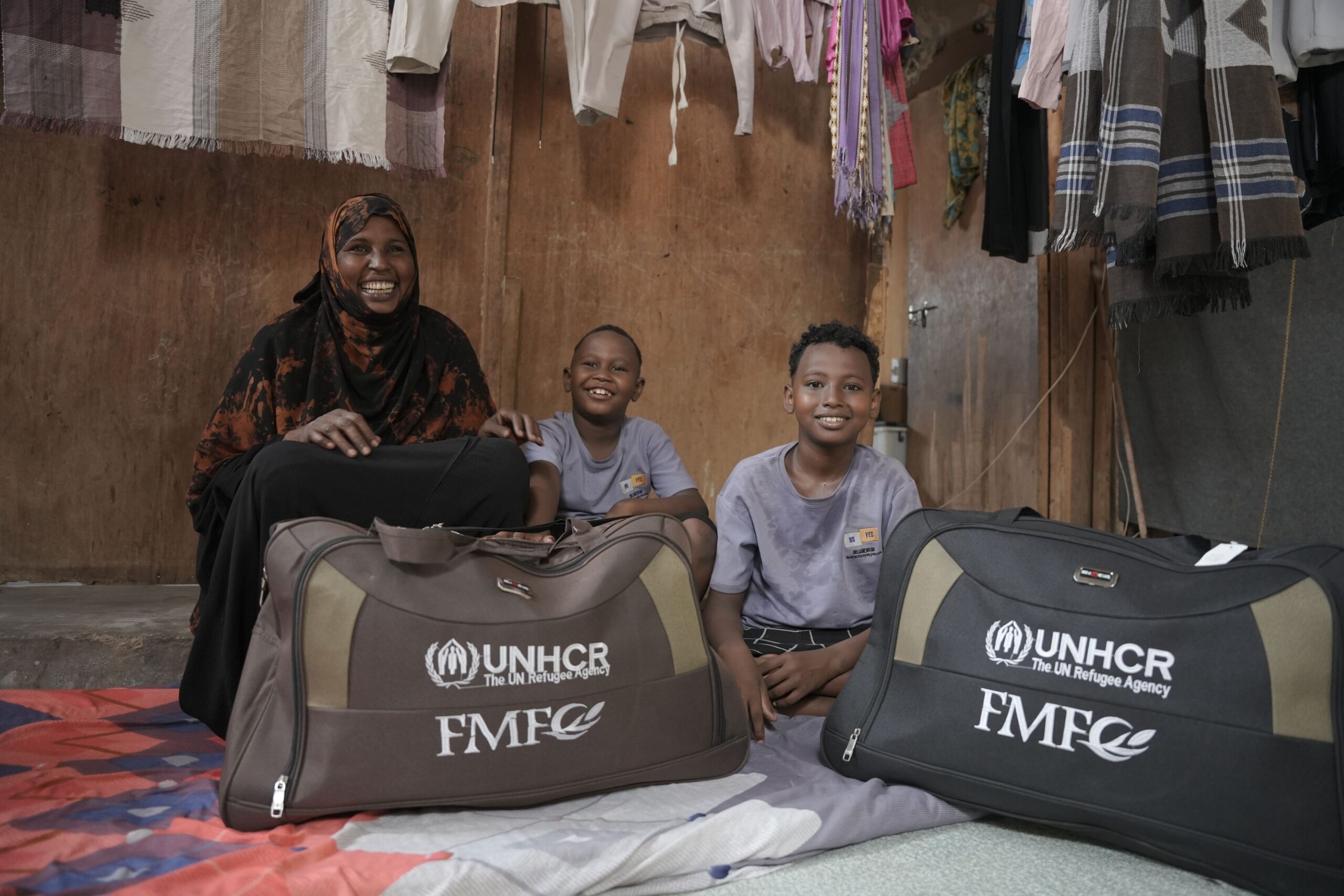
For Yasmin Ahmed Musa, one of the returnees whose experience was documented by FMF, returning meant far more than travelling from one country to another:
Returning was not just a journey. It was a long-awaited reunion with my children. I felt as if I had been born again. Nothing compares to the joy of seeing them after all these years.
Her words capture what statistics alone cannot: for some families, return means restoring connections separated by years, reuniting with loved ones and beginning another chapter in the place they have chosen to call home again.
The journey begins before departure
A partnership across both sides of the journey
Organized return depends on coordination that extends beyond the point of departure.
In Yemen, UNHCR, partners and the relevant authorities work across counselling, documentation, medical screening and departure arrangements. On arrival, coordination with counterparts and partners in Somalia supports reception and onward movement to return destinations.
That pathway continued in August 2026, when UNHCR reported that 155 Somali refugees safely and voluntarily arrived at Aden Adde International Airport in Mogadishu from Yemen under the ASR Programme — another movement along the air route introduced in 2025.
More than 8,500 returns since ASR began
The Assisted Spontaneous Return Programme for Somali refugees in Yemen began in September 2017. By figures published by UNHCR in 2025, more than 8,500 Somali refugees had returned home through ASR since the programme began.
Across two years of FMF’s partnership with UNHCR in supporting return activities, the journey evolved from departures by sea from Aden to the addition of direct air movements to Mogadishu.
But the mode of transport is not the heart of the story.
The heart of the story is ensuring that a person who chooses to return has access to a safe, organized and dignified pathway that respects that decision and provides the information and support needed to carry it through.
From the Return Help Desk to documentation and medical screening, from the seaport to the airport, and finally to the moment a family begins its journey home, the purpose remains the same:
A voluntary decision. A safe journey. A return with dignity.
 Yemen: Safe and Dignified Return for Somali Refugees)