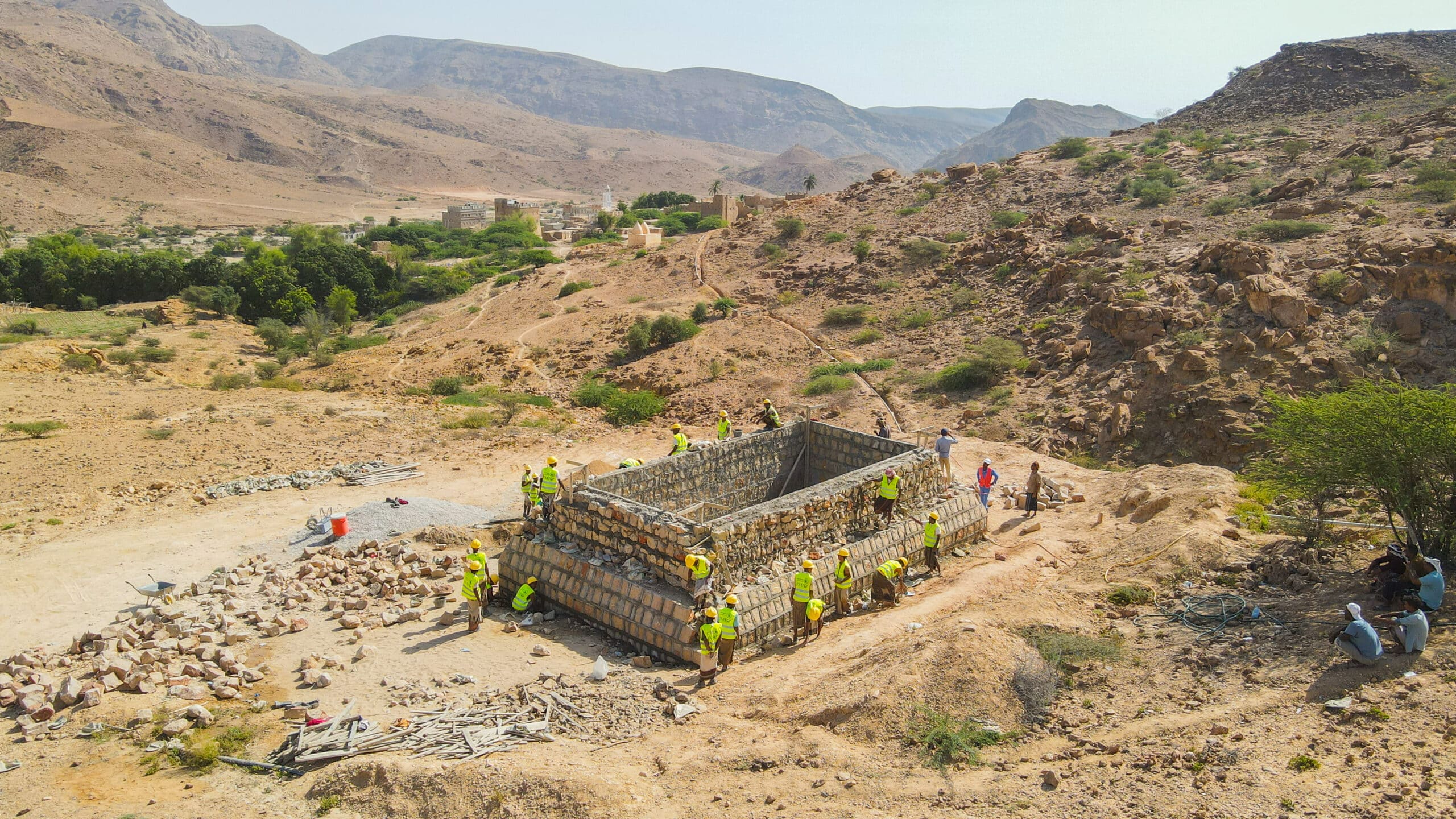
Introduction: Life in Al-Ghayadah Village
In the village of Al-Ghayadah, a rural area in Mukalla, 60-year-old Ahmed Awad Saeed Ba’aisi lives with his large family of eight. For many years, Ahmed, like other residents and farmers in the area, endured a severe water crisis. Their daily lives revolved around the search for water, which was scarce and hard to obtain.
The Daily Struggle for Water
At that time, women were primarily responsible for fetching water. They would wake up before dawn and walk long distances to reach the nearest spring. This exhausting daily routine consumed significant time and energy, especially under harsh weather conditions. Even after a small water tank was built in a neighboring area, the situation barely improved. The water flow was so limited that the tank could only operate for seven days each month.
Limited Relief from the First Water Tank
Ahmed recalls life before the project:
“When a small water tank was built in a nearby area, we were hopeful, but it wasn’t enough. The water supply was extremely limited, and the tank operated only a few days each month—just seven days. We lived in constant fear of running out of water. The little water we stored was barely enough for household use, and we still had to fetch drinking water from the spring.”
Challenges Beyond the Household
This situation posed a significant challenge for Ahmed and his family, not only due to the physical effort required to access water but also because water scarcity affected agriculture and daily life.
A New Project Brings Hope
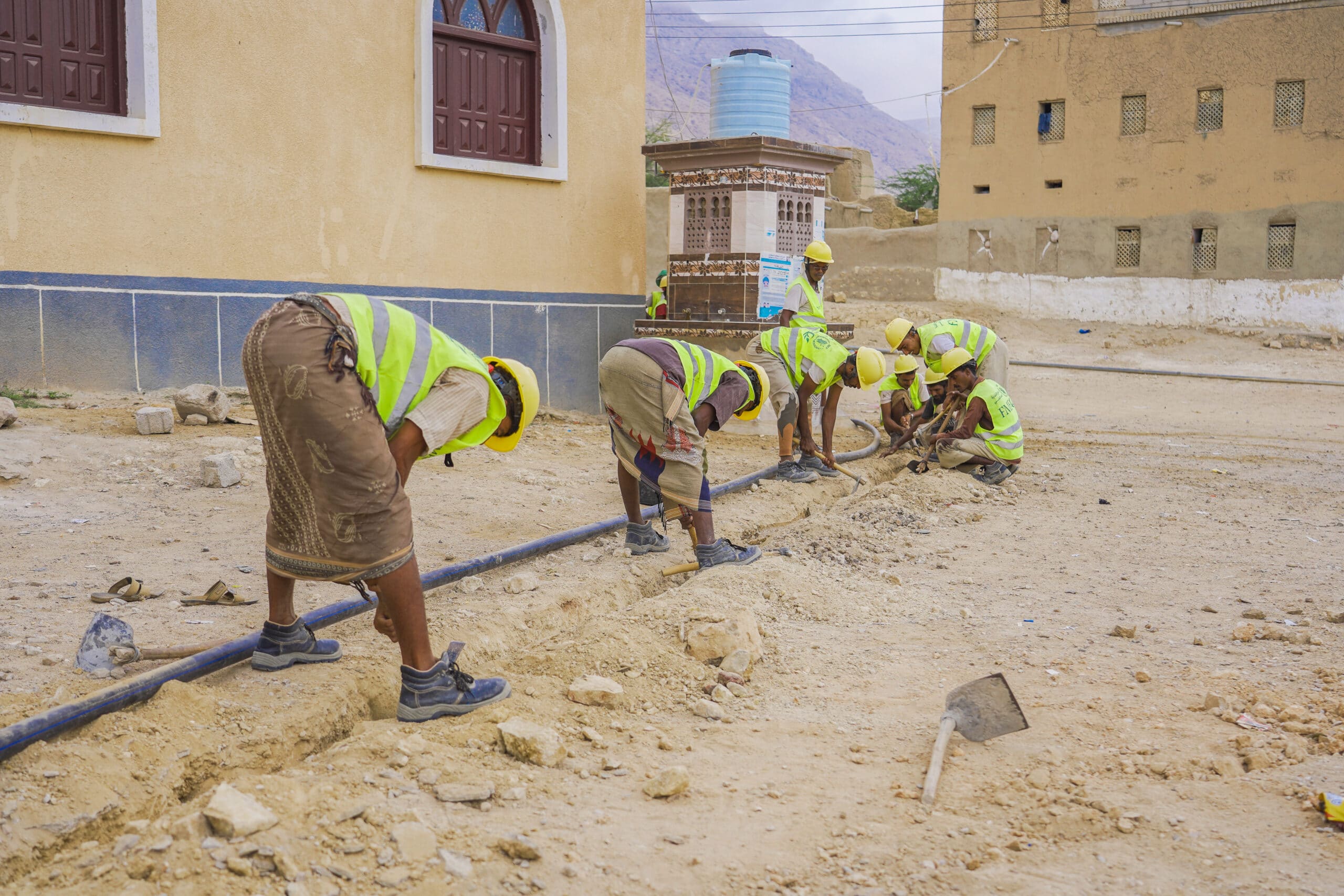
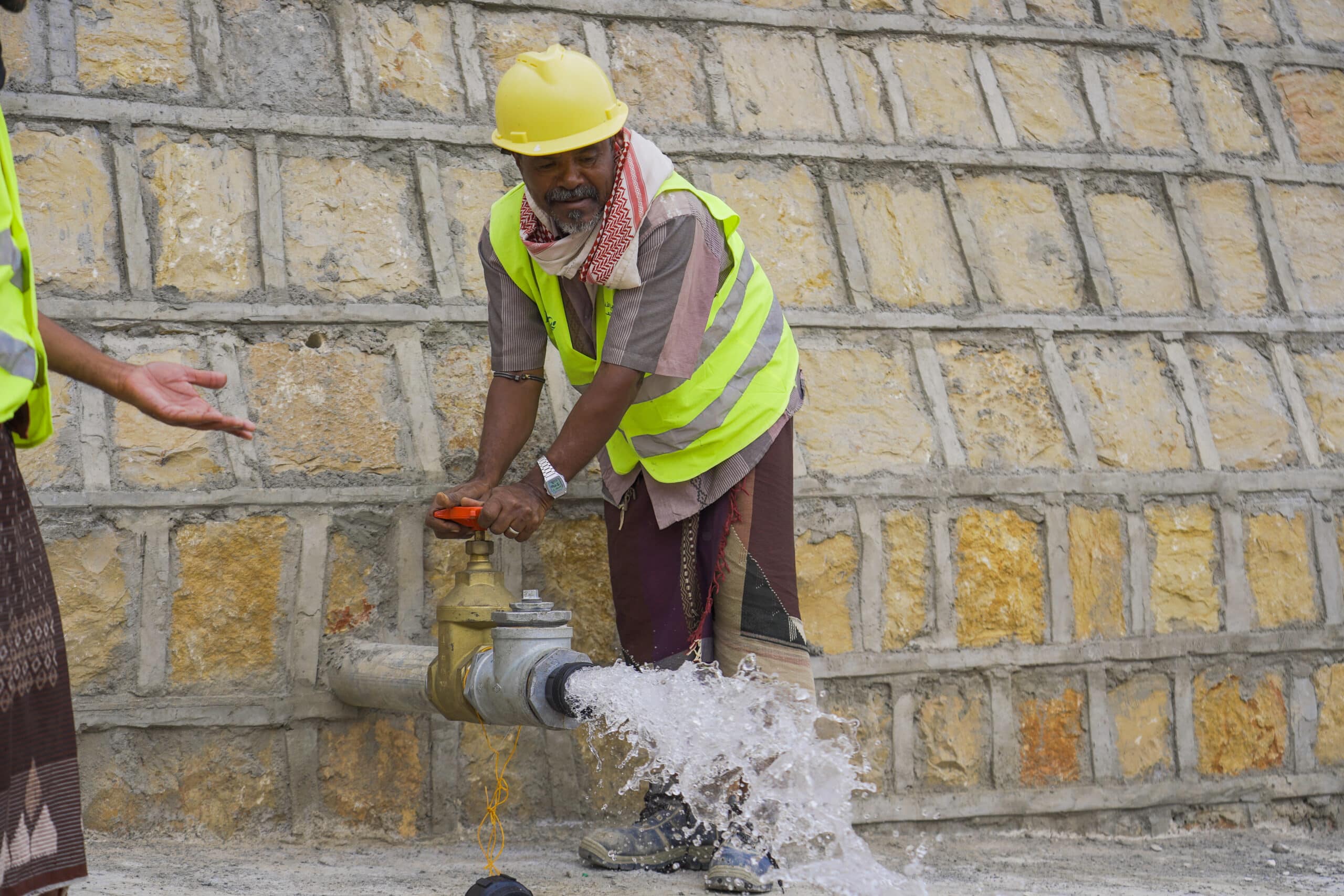
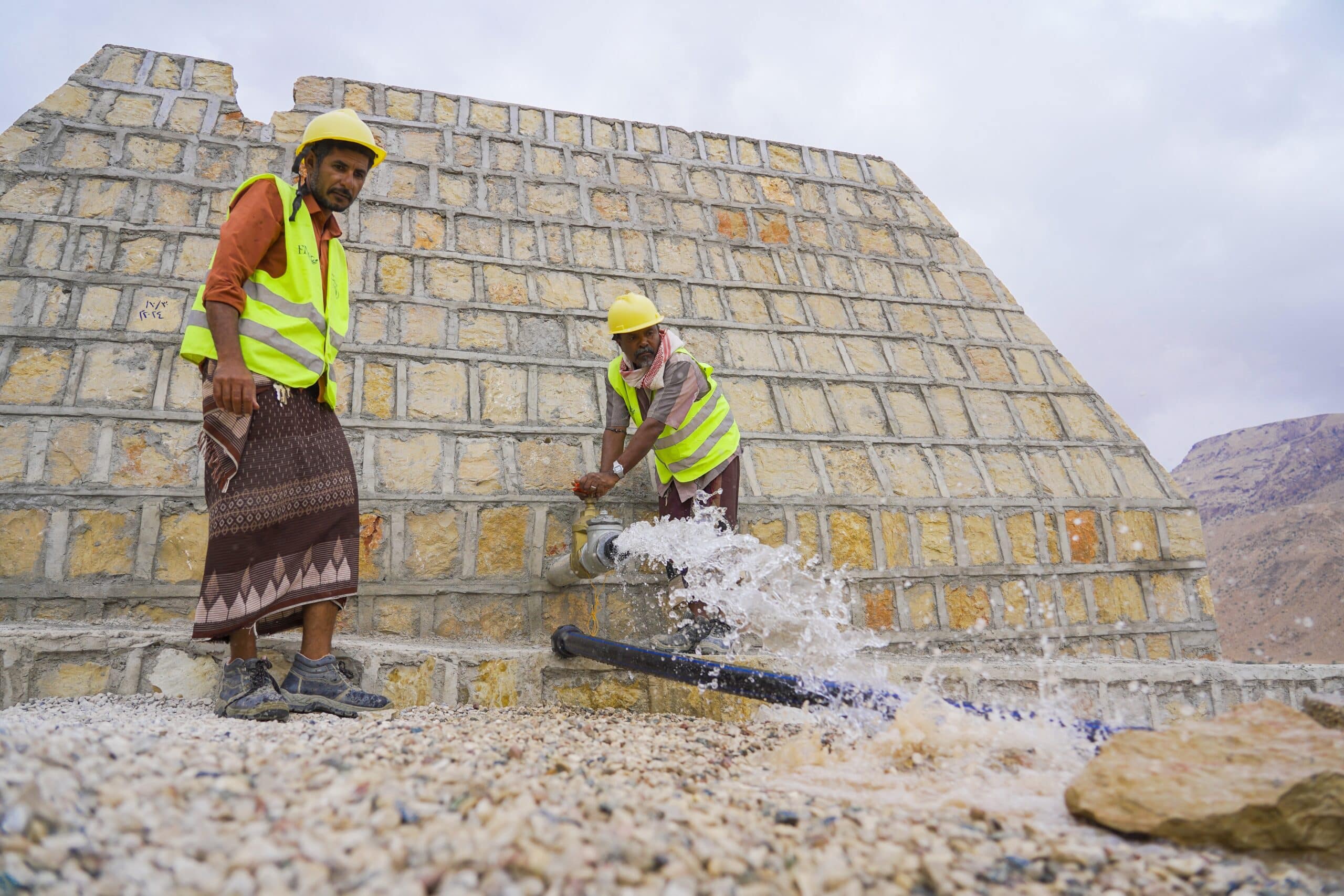
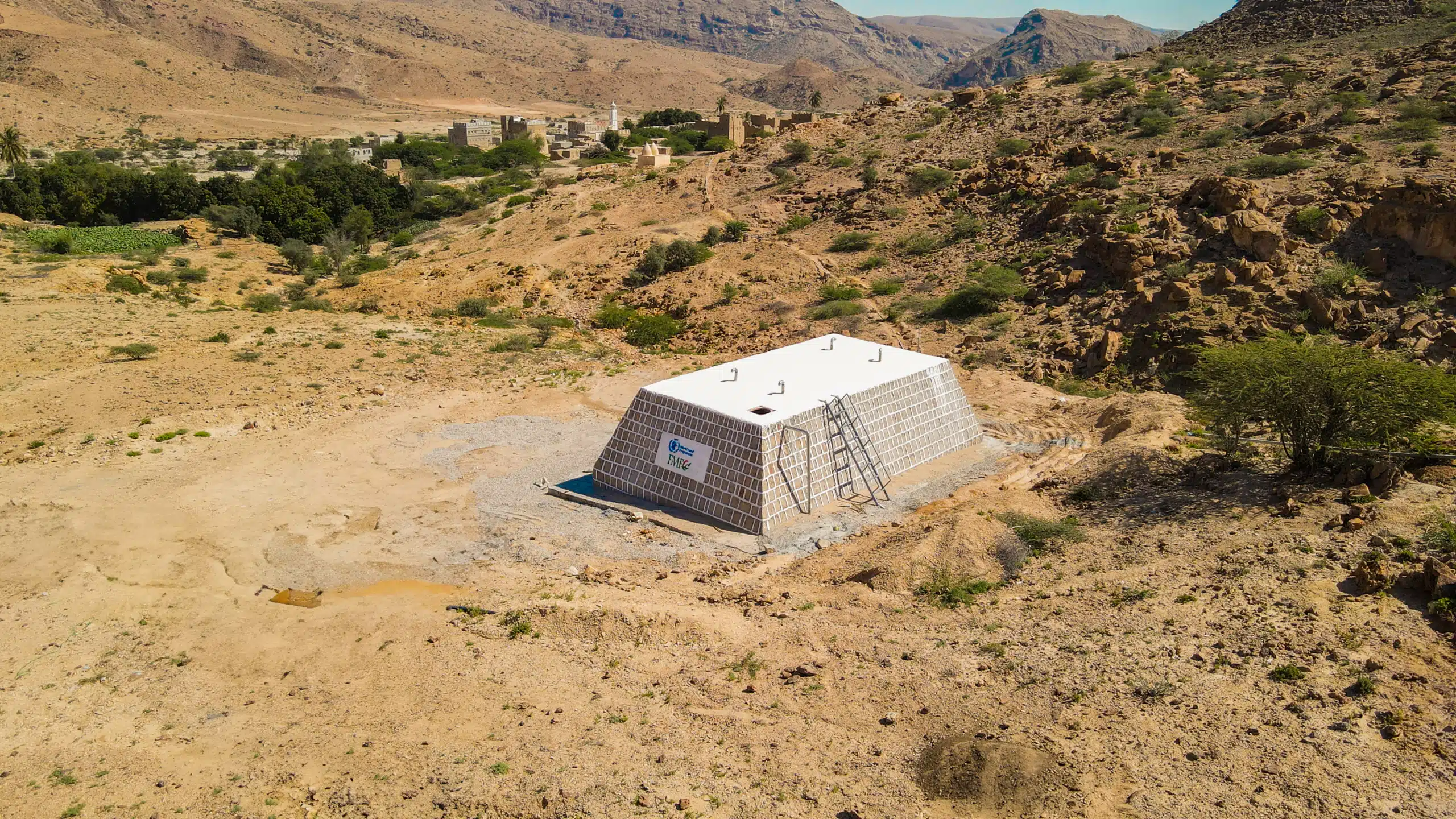
But even in the toughest circumstances, hope finds a way. As part of the Asset Creation for Food Security Project, implemented in partnership with the World Food Programme, the Field Medical Foundation carried out a vital intervention to address the water crisis that had plagued the community for so long. The organization constructed a new water tank, 3 meters high, 9 meters long, and 4 meters wide, with a storage capacity of 100,000 liters. This tank became the primary source of water, providing a continuous supply to the community and transforming their daily lives by easing the burdens of water collection.
Ahmed on the Transformation
Ahmed describes the impact:
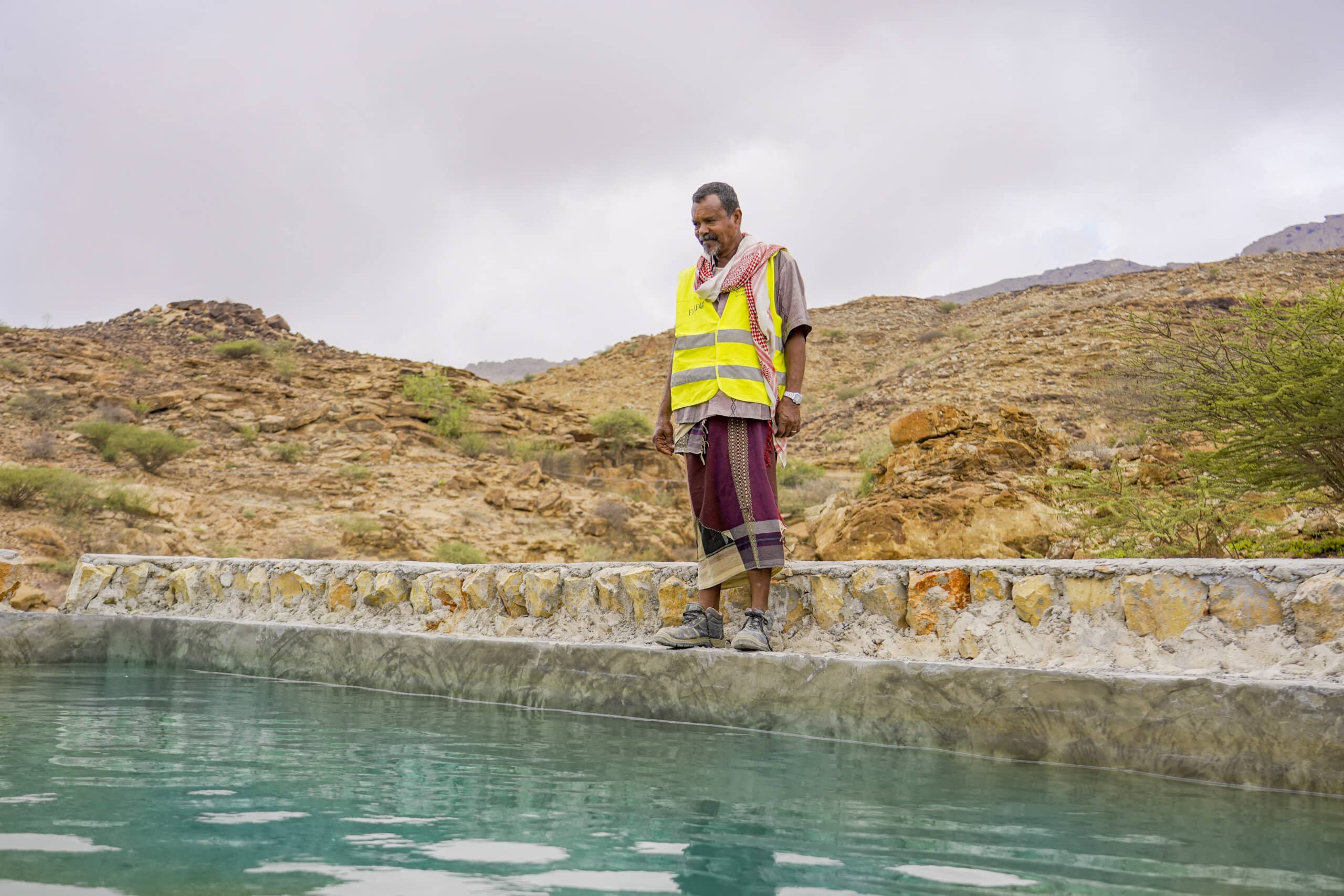
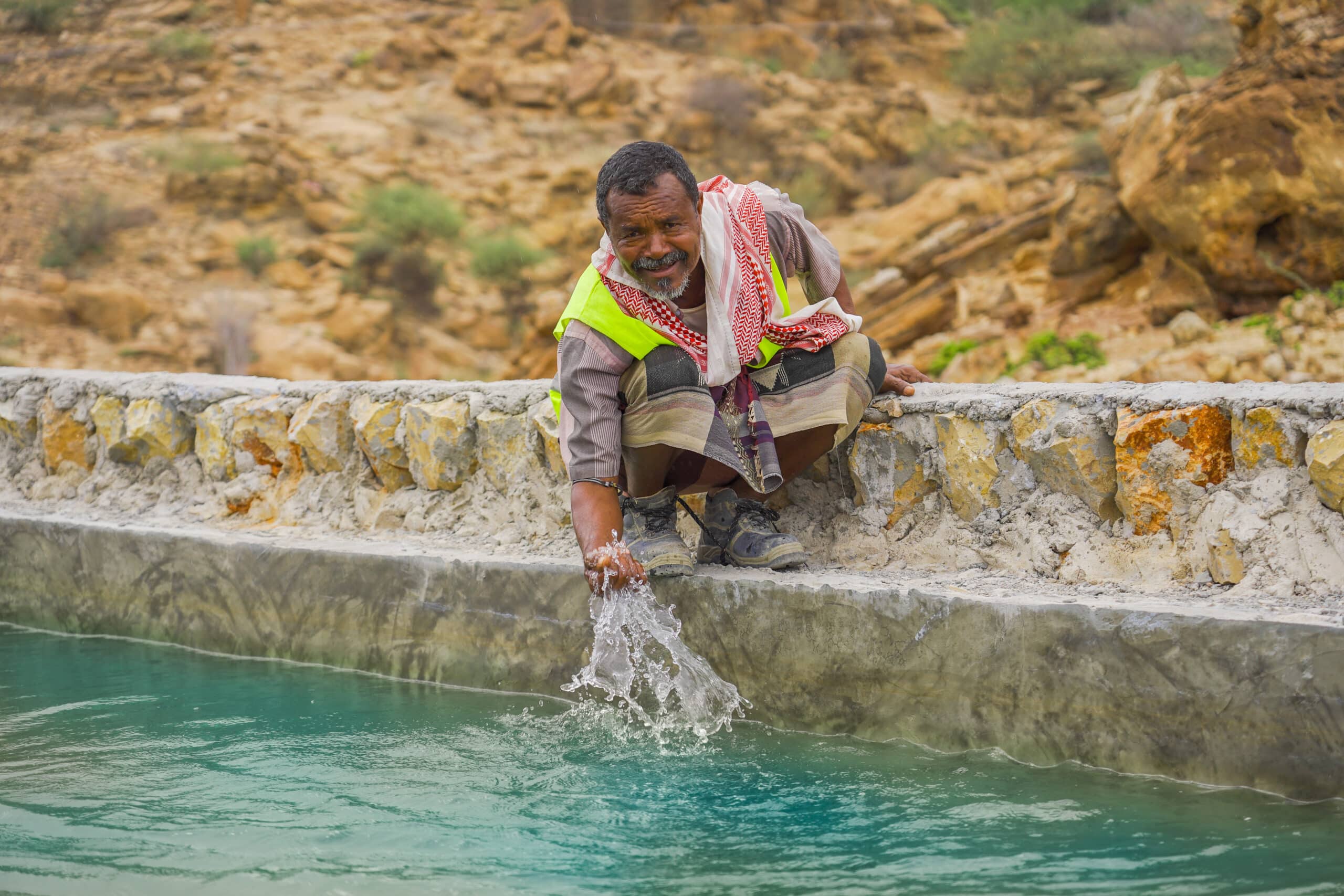
“The project was an unexpected gift. I never imagined water would become so easily accessible. Now, each family can fill up to 11 barrels of water at home without any hassle. We can use the water for all our needs—drinking, cooking, cleaning. Women no longer have to wake up at dawn, and they now have time to care for their children or work at home.”
A Profound Shift in Daily Life
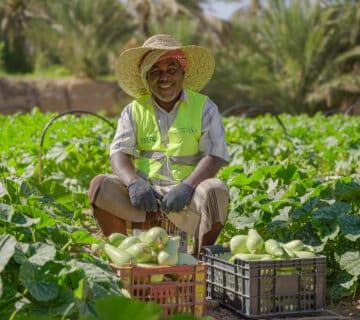
Ahmed, his family, and the residents of Al-Ghayadah have experienced a profound change in their daily lives. Water is no longer a source of worry or burden. Agriculture has become more stable as farmers can regularly irrigate their crops, enhancing food security in the village.
Sustainable Impact on Agriculture and Food Security
Food to Resilience Project plays a vital role in improving living conditions in farming communities, particularly in areas with limited access to essential resources like water. These projects provide sustainable solutions that empower communities to face daily challenges and achieve self-sufficiency.
Long-Term Community Benefits
The impact extends beyond household water needs, supporting agricultural activities—the primary source of income in rural areas. Reliable water availability enables the cultivation of higher-quality crops, boosting food security and increasing household income.
A Vision for a Brighter Future
Additionally, such projects foster community cooperation and stability by equitably meeting everyone’s needs and reducing resource-related conflicts. The infrastructure established through these initiatives remains a long-term asset for the community, ensuring sustainability for years to come.
These efforts align with a broader vision to improve livelihoods in rural areas, empowering individuals and supporting sustainable development that upholds their dignity and builds a brighter future.