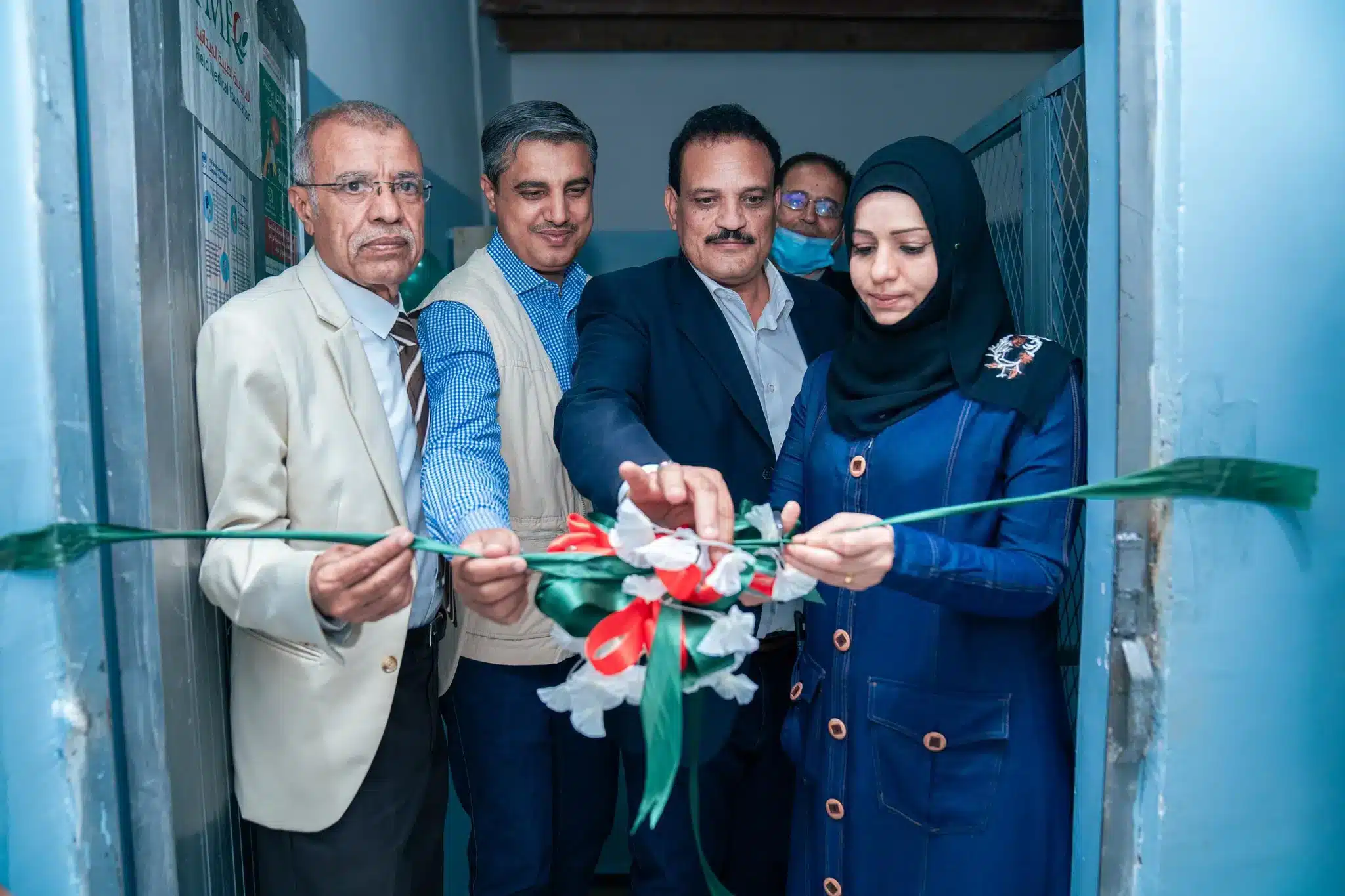
Al Wahda Health Center Turns Hope into Reality
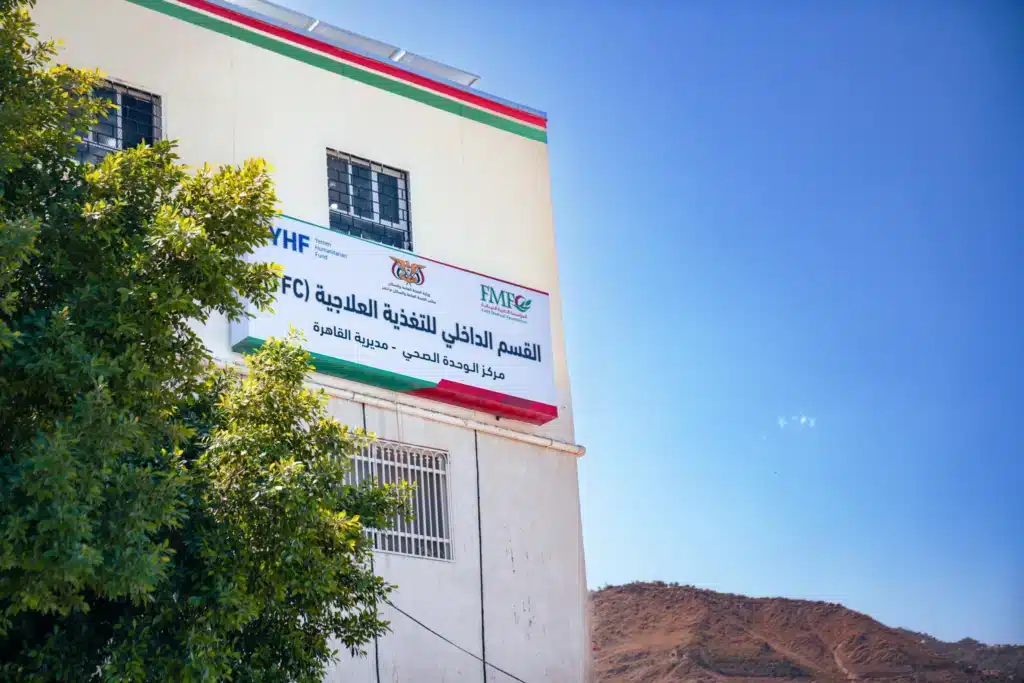
A District Burdened by Malnutrition
In the heart of the Al-Qahirah district in Taiz Governorate, where residents and displaced persons are densely populated, the area has long suffered from the outbreak of severe acute malnutrition, which sometimes led to fatal complications. For years, the center lacked qualified staff and necessary equipment to handle cases of severe acute malnutrition with health complications. There was no dedicated ward for admitting these cases, forcing families to transfer patients to the Al-Suwedi Hospital in the district of Al-turban. With the worsening humanitarian crises, the need to improve healthcare services in the area has become increasingly urgent, especially in therapeutic nutrition.
Transforming Healthcare Through the Nutrition Project
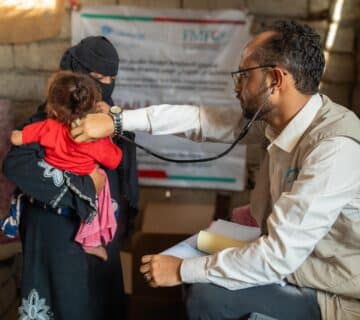
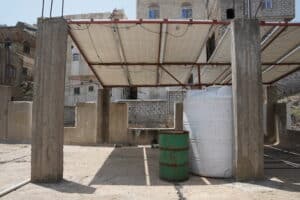
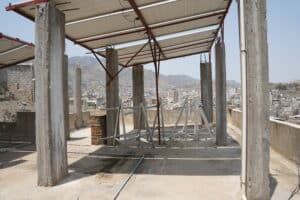
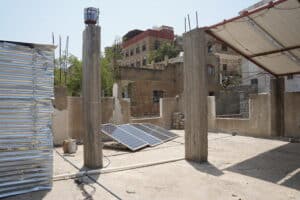
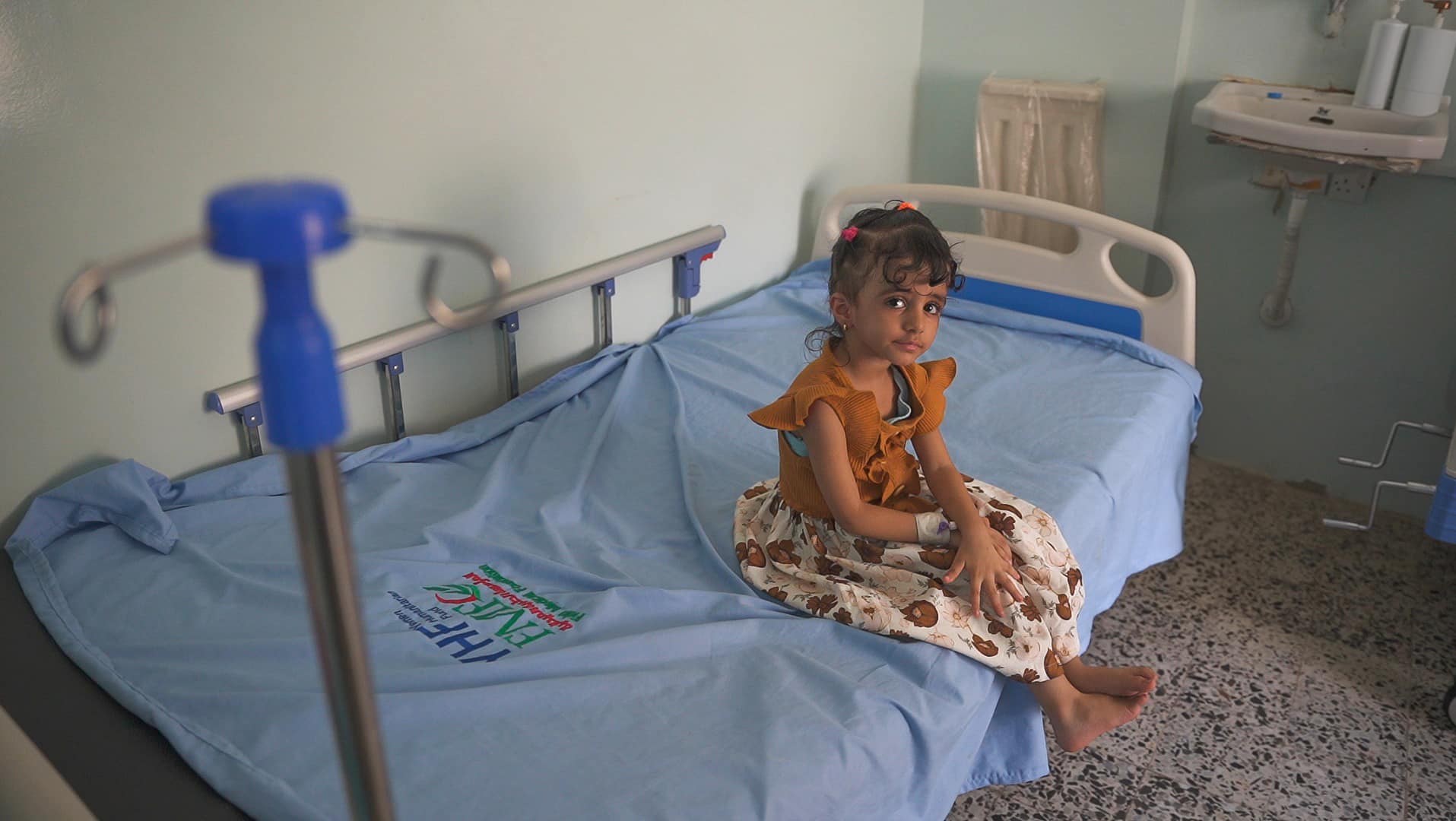
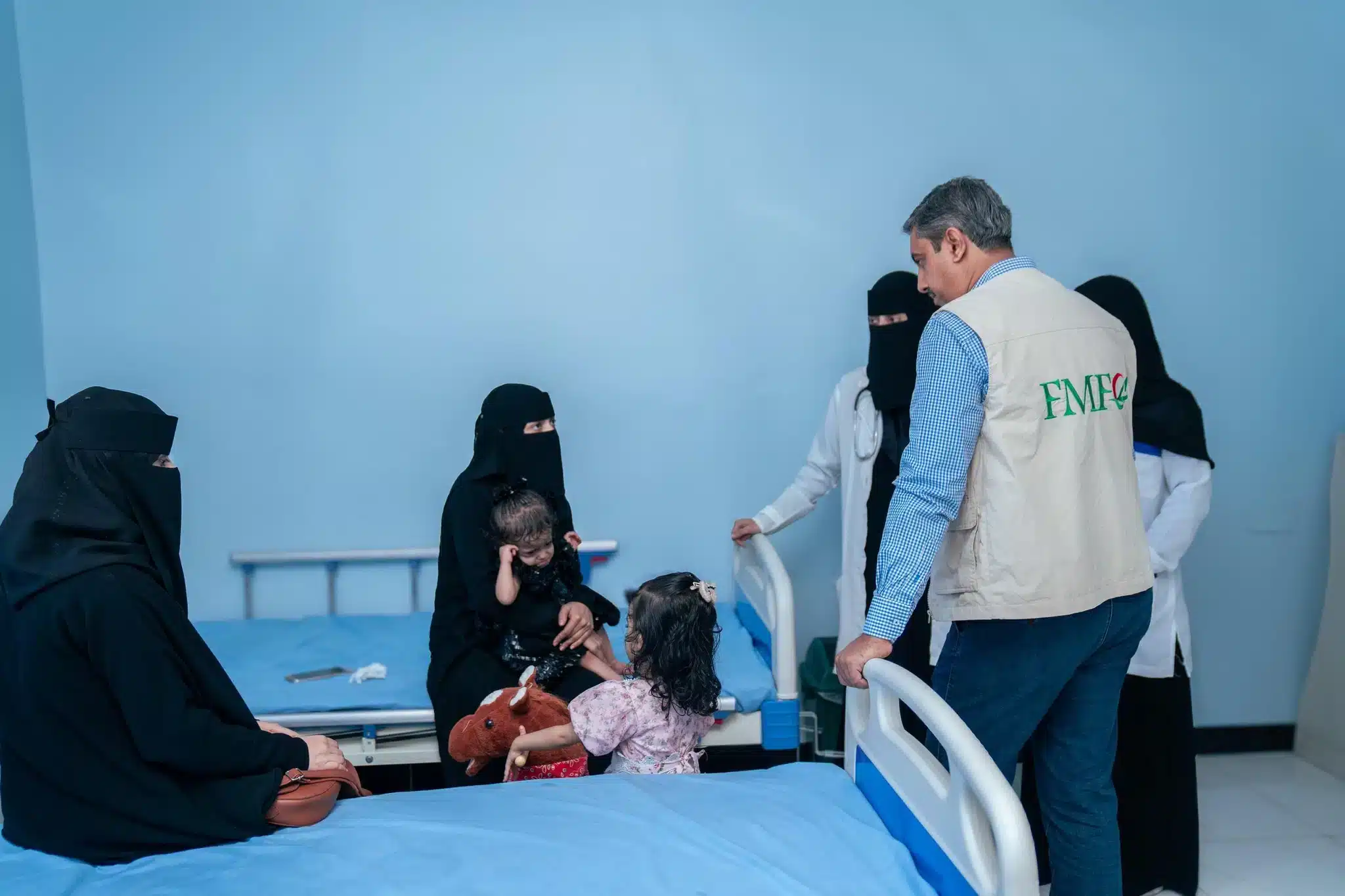
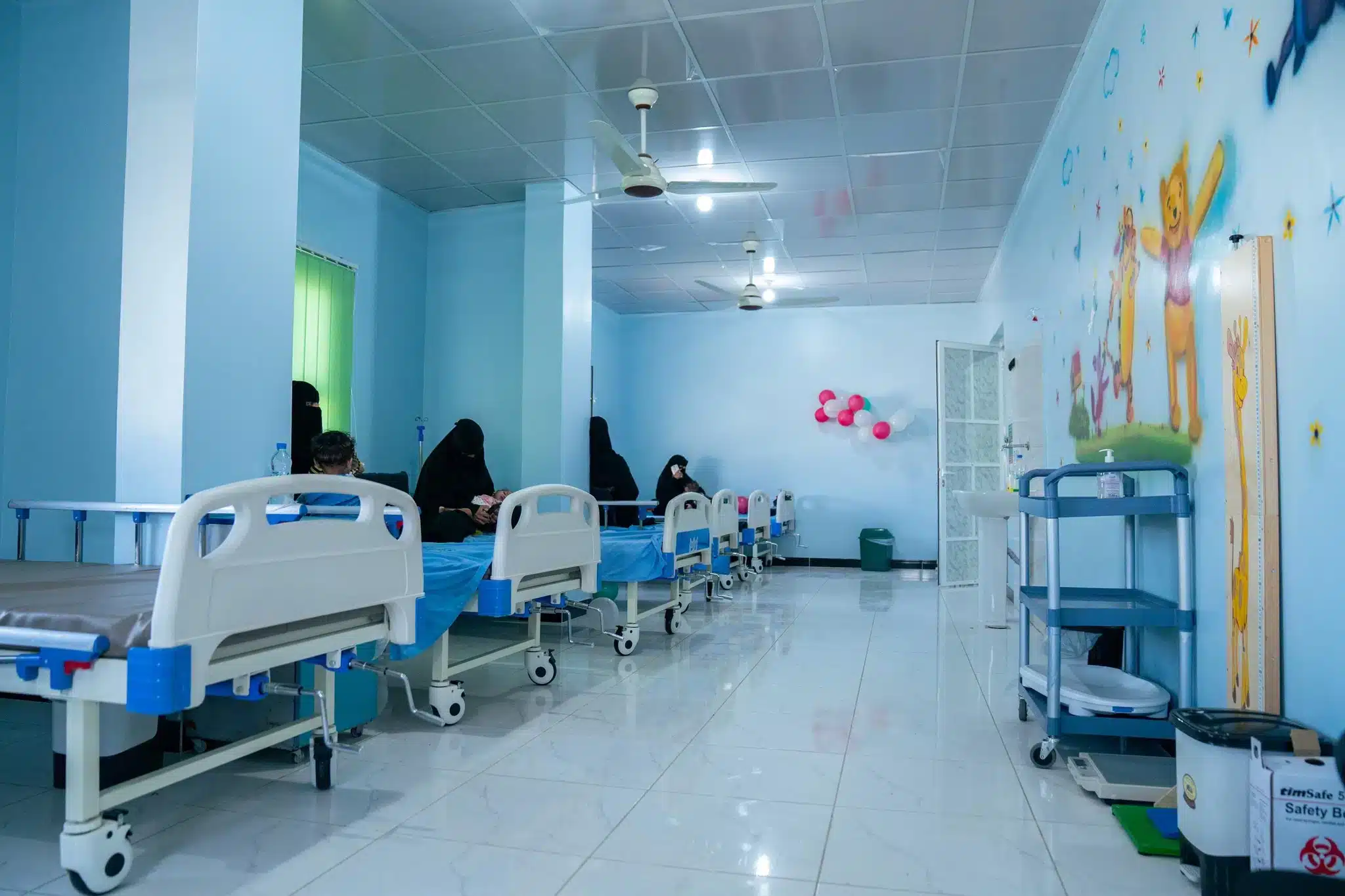
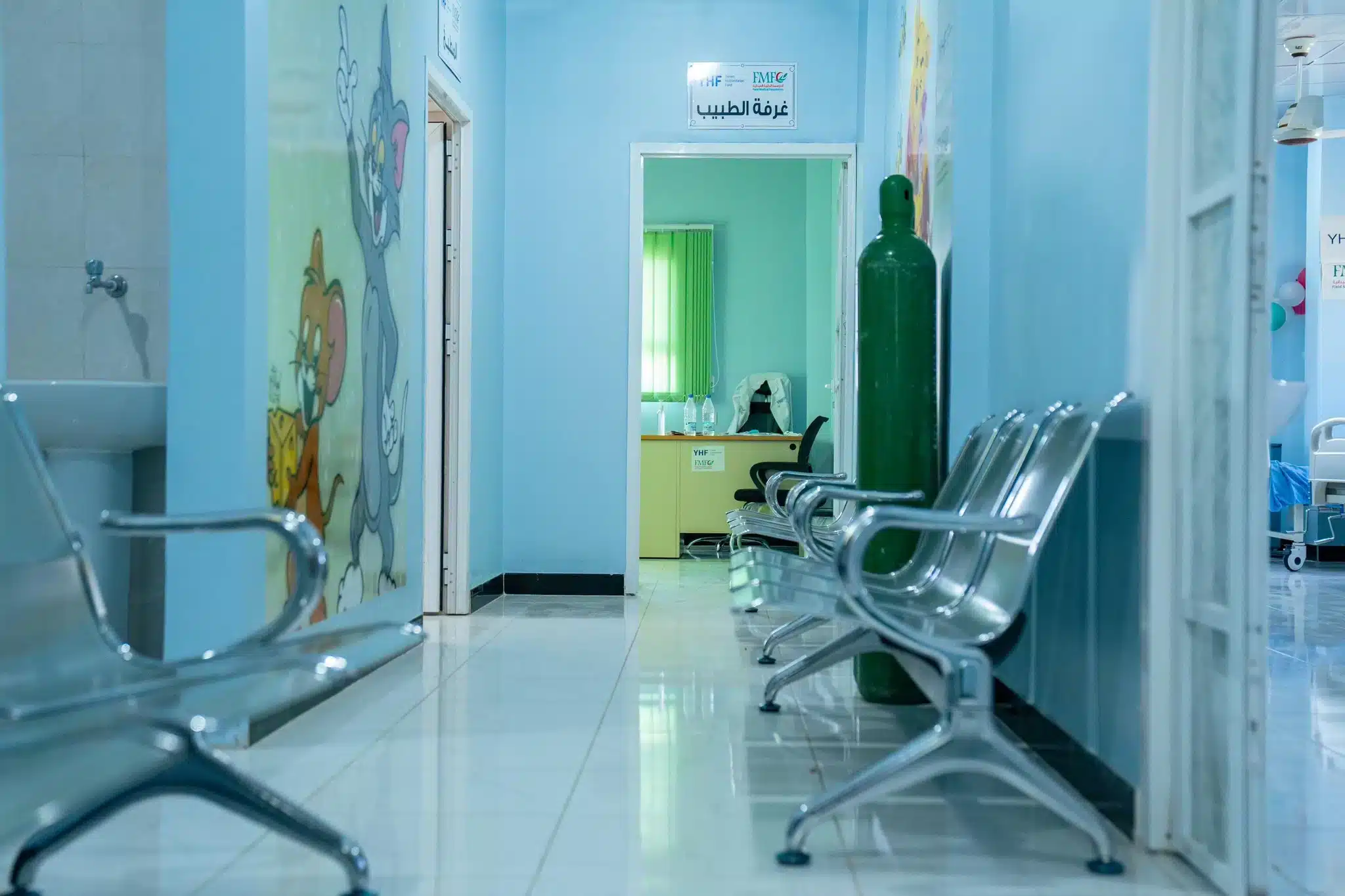
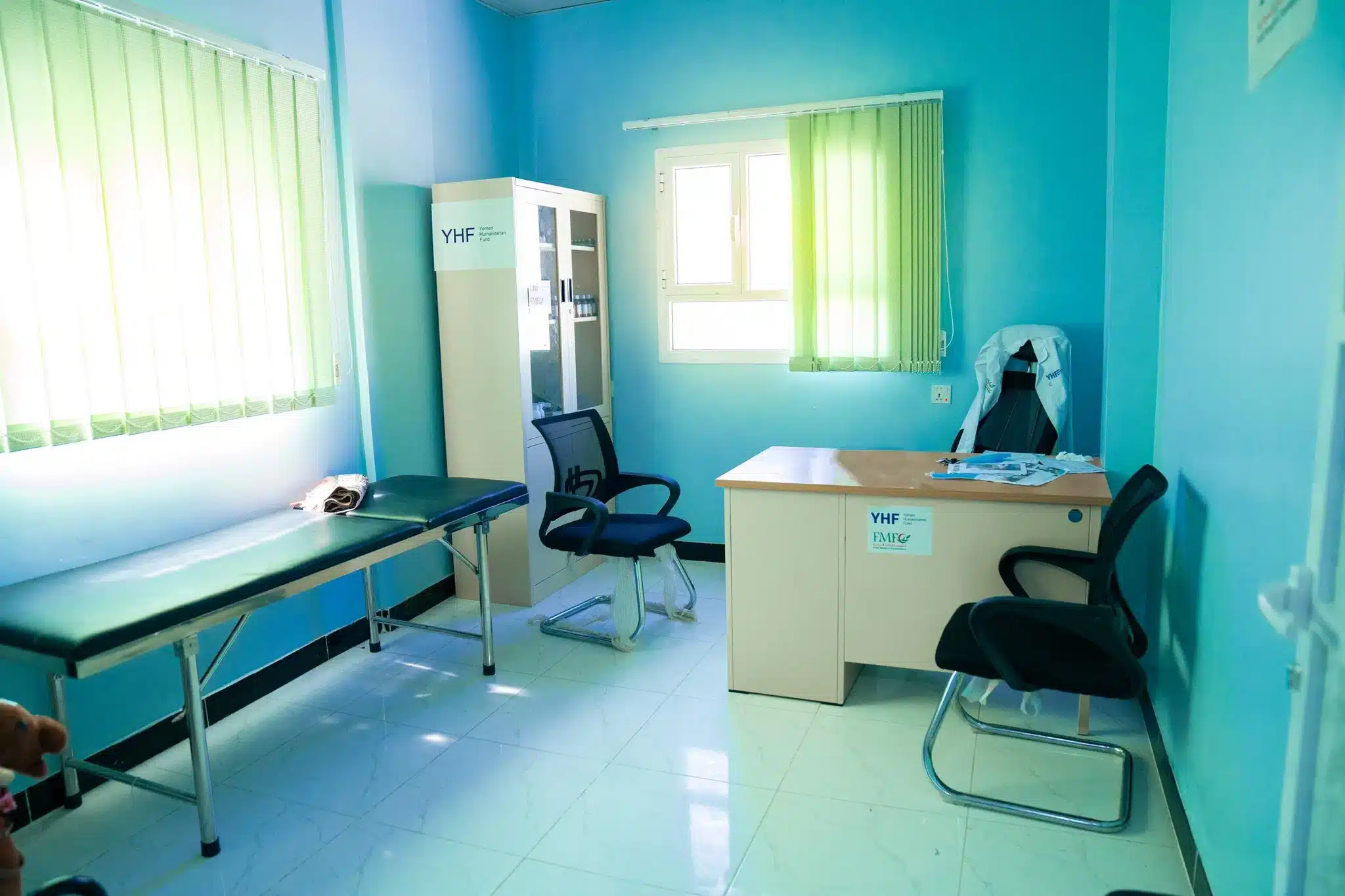
As part of the “Improving Access to Nutrition Services” project implemented by the Field Medical Foundation (FMF) in partnership with the Yemen Humanitarian Fund (YHF), Al-Wahda Health Center underwent a radical transformation. A therapeutic feeding center (TFC) was established, equipped with all necessary facilities, including solar power, essential furniture, a capacity of 10 treatment beds, and modern medical equipment. Additionally, health staff were trained to provide specialized therapeutic nutrition services.
Tangible Results and Stories of Recovery
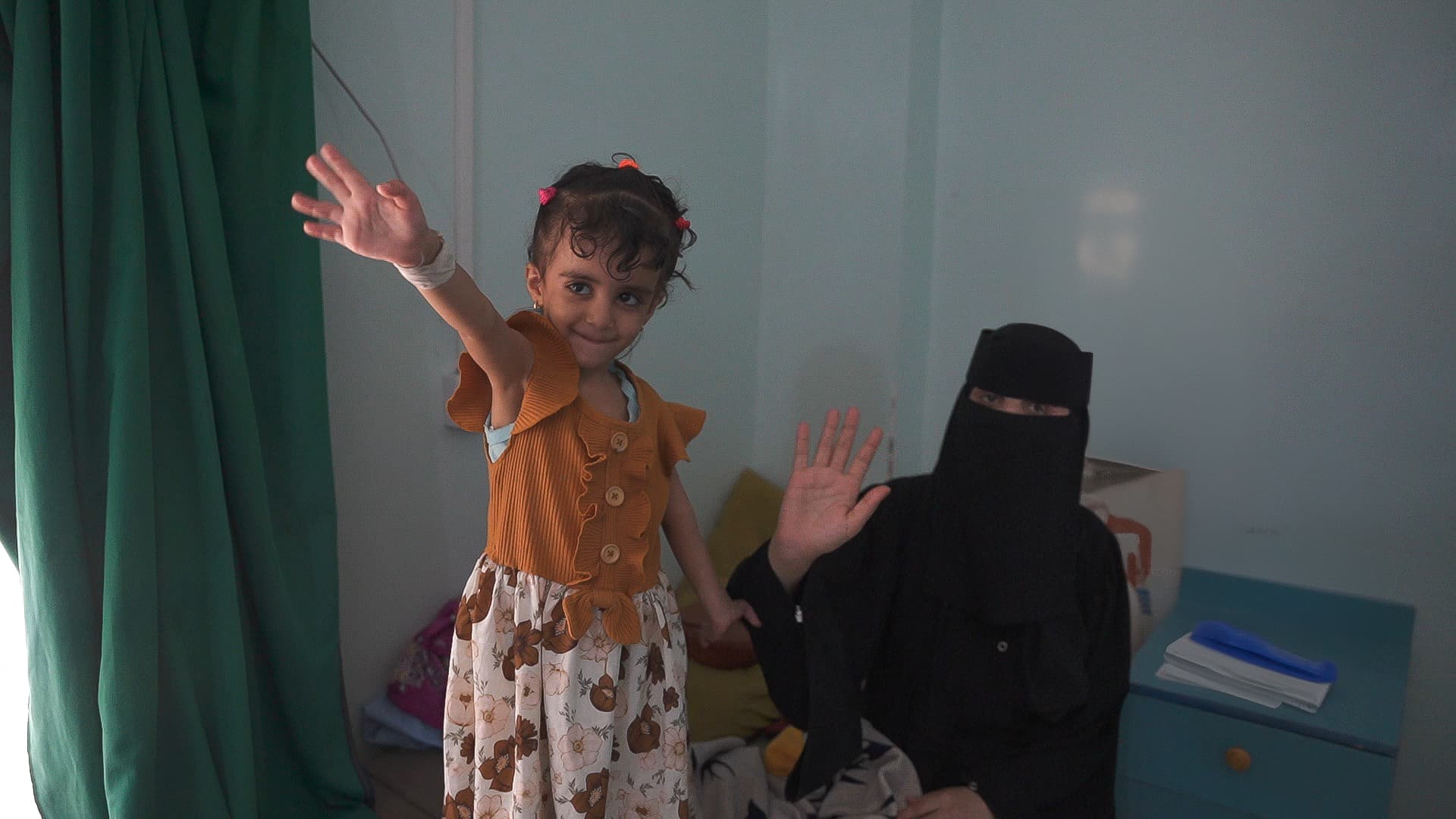
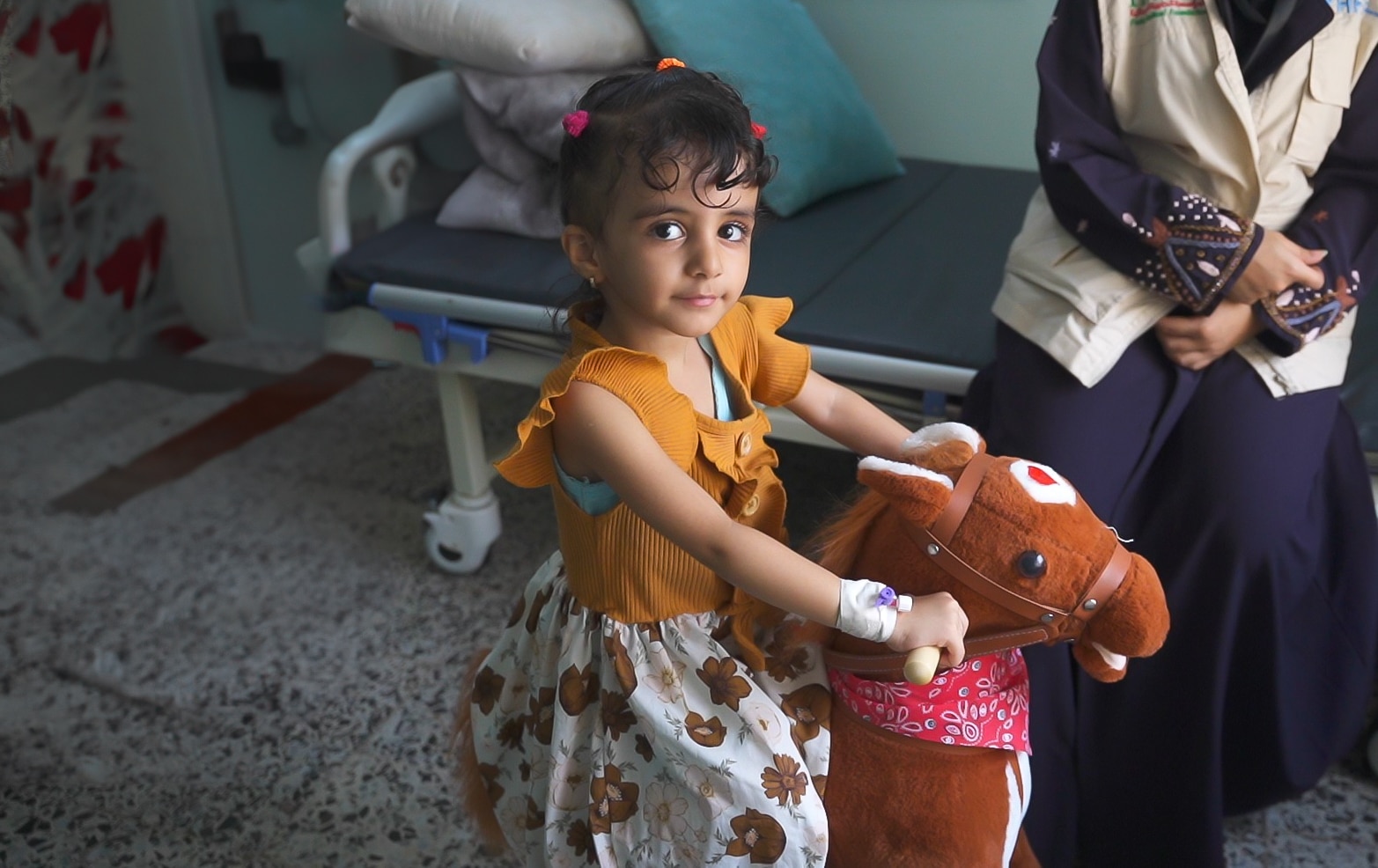
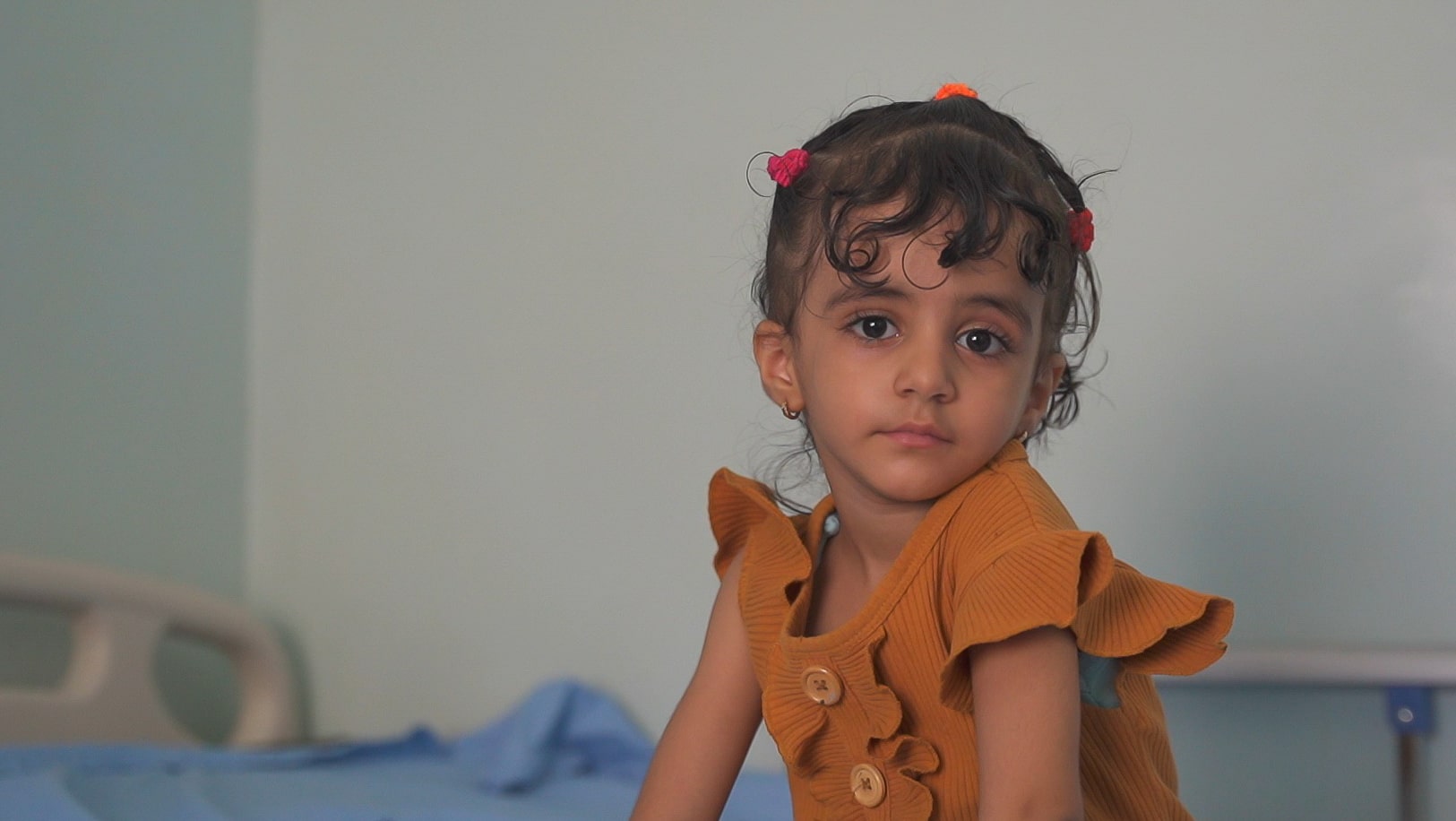
The new department began receiving cases in June and achieved tangible results by October, with 76 cases of severe acute malnutrition recovering. One notable case was that of Nour Mahmoud, a child who was transferred from the 26 September Health Center to Al-Wahda, where she received the necessary healthcare. Nour was admitted and registered to weigh 10 kg, and within five days, she left the hospital as a recovered case weighing 10.4 kg, with a good appetite and health. A dedicated nutritional counseling corner was also created, equipped with all tools to ensure privacy and efficiency, and the center began operating around the clock, allowing families to receive healthcare without the need to travel long distances, thus reducing costs and suffering.
Broader Impact on Community and Livelihoods
The impact did not stop at improving medical services; it also included providing temporary job opportunities for 23 individuals in various fields, including health services, data entry, and security. The project enhanced the role of community health and nutrition volunteers, who conducted numerous awareness sessions that benefited over 62,000 local and displaced residents, thereby promoting health and nutrition awareness and improving community behaviors.
A Turning Point and a Model of Partnership
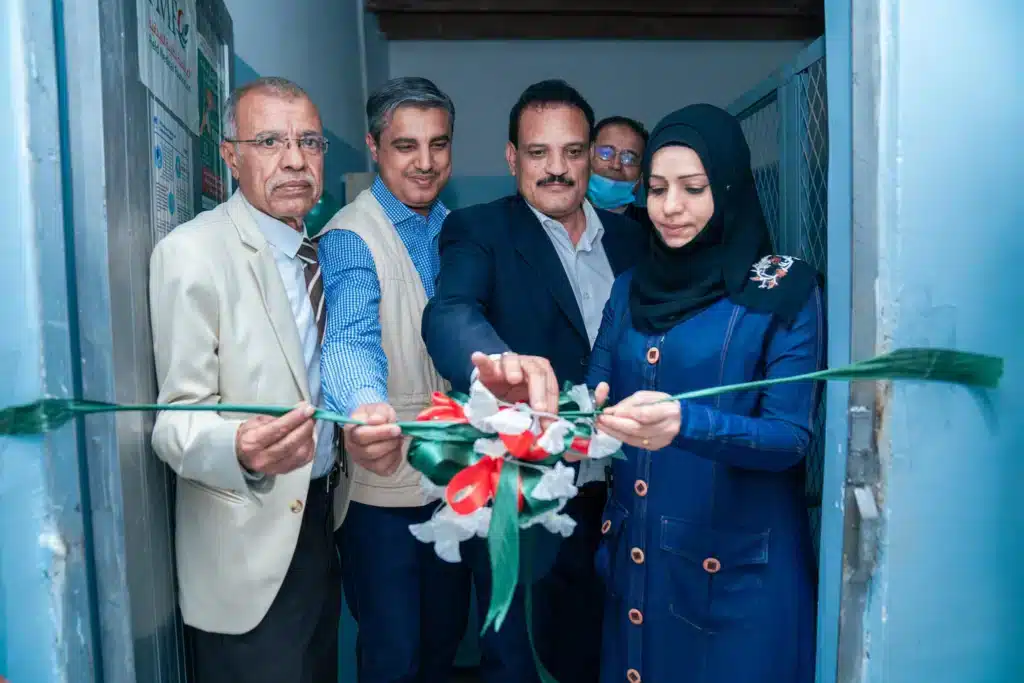
The opening of the therapeutic nutrition department marked an important turning point in Al-qahirah district, as residents now have access to comprehensive medical services close to their homes. The project helped reduce malnutrition rates among children, enhance public health, and achieve a qualitative shift in families’ awareness of the importance of proper nutrition.
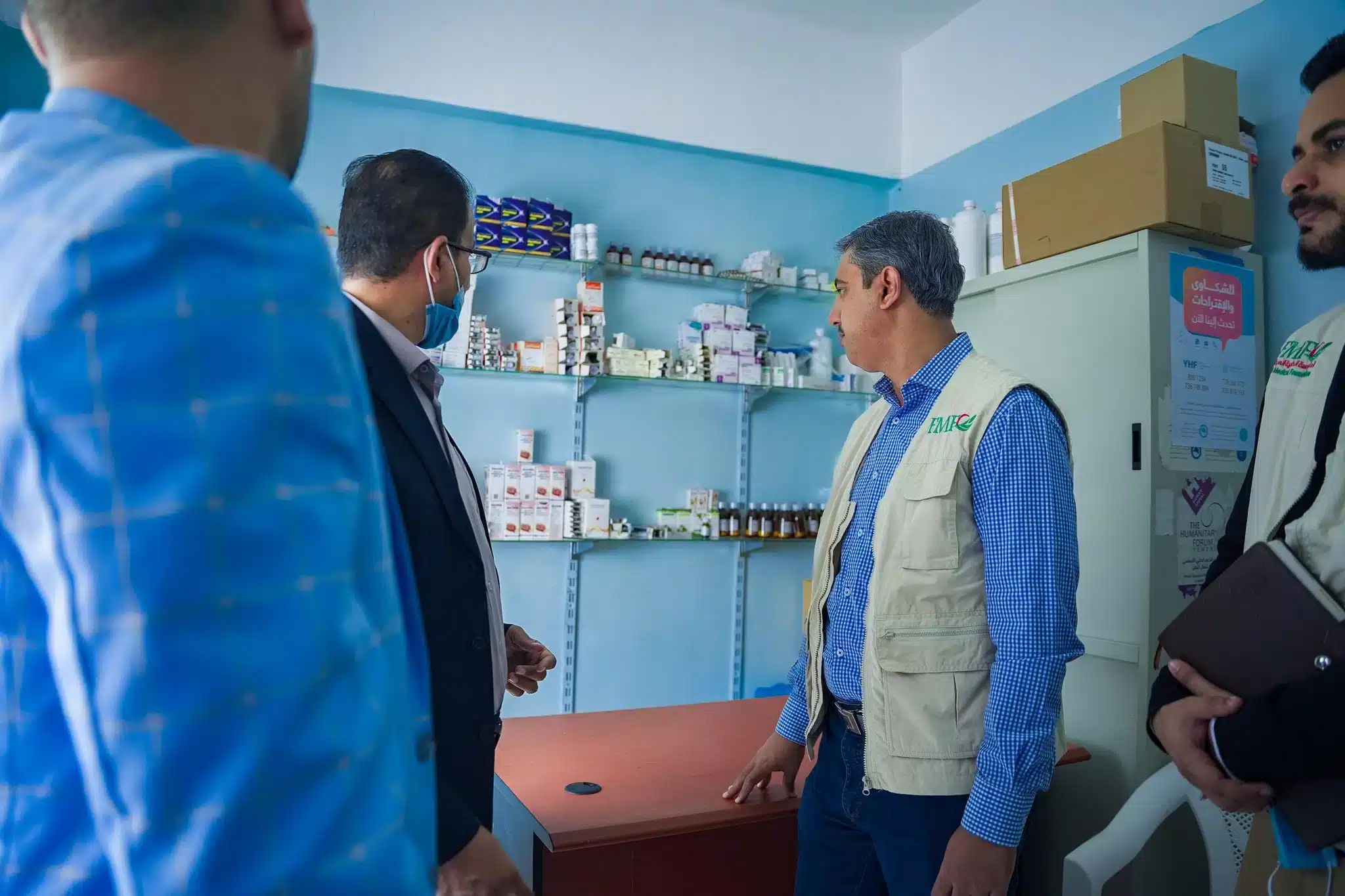
The experience of Al-Wahda Health Center demonstrates how fruitful cooperation between local and international institutions can bring about radical change in the lives of communities, even in the face of significant humanitarian challenges. It is a success story that inspires hope and affirms that sustainable work is key to improving people’s lives.