
The Global Refugee Crisis: A Search for Safety Beyond Borders
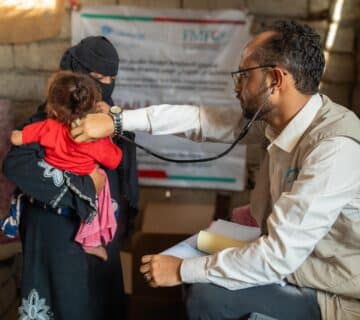
Refuge is one of the most complex humanitarian phenomena of our time. Millions of people around the world are forced to flee their homes due to armed conflict, persecution, economic collapse, or natural disasters. While seeking asylum is intended to be a temporary solution to escape life-threatening conditions, the reality is that many refugees spend years—sometimes decades—displaced from their homelands, waiting for a chance to return or be resettled somewhere safe and dignified.
As global displacement increases, the international community faces immense challenges in providing adequate support, from emergency aid to long-term solutions that ensure refugees can live with dignity and hope, not marginalization and poverty.
Many refugees are hosted by countries already struggling with limited resources, which intensifies their hardship. They often face a lack of essential services, limited job opportunities, and legal restrictions that hinder their freedom and ability to rebuild their lives. Ensuring refugees’ rights and safety is a shared responsibility between governments, international organizations, and host communities, balancing protection with stability for all.
Somali Refugees in Yemen: Between the Struggles of Exile and the Hope of Return
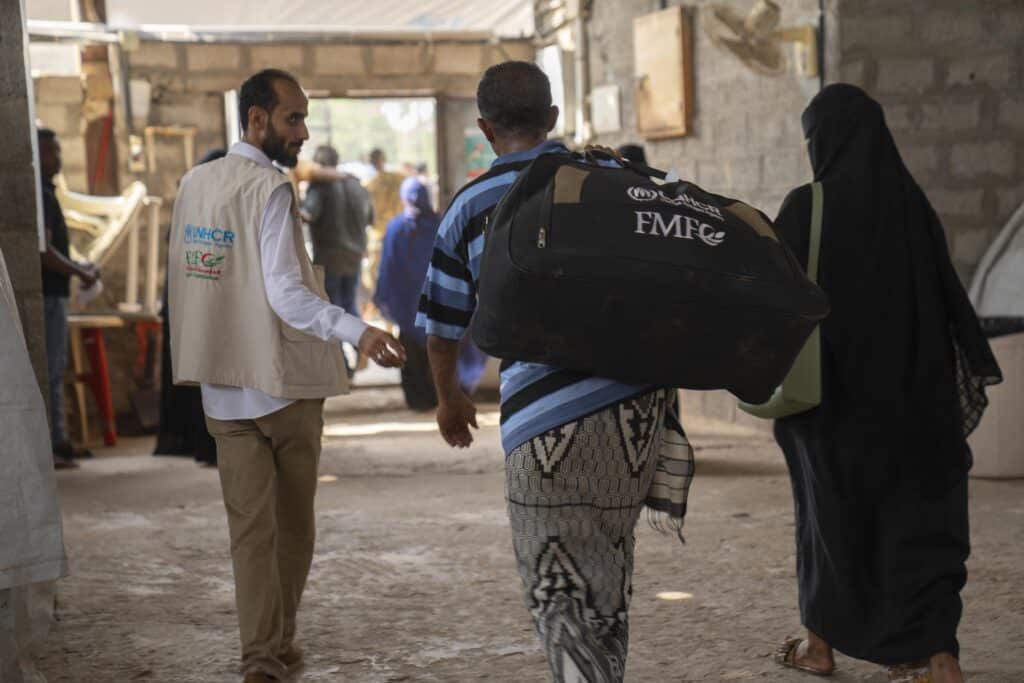
Yemen has long been a host country for Somali refugees—one of the largest refugee populations in the country. Most fled decades of civil war and unrest in Somalia. While Yemen offered them refuge for many years, the ongoing political and economic deterioration has drastically worsened their conditions. Access to basic services such as healthcare, education, and employment is increasingly difficult, and many rely solely on humanitarian aid—an aid system itself strained by underfunding.
Legal challenges compound the crisis. Many Somali refugees face issues renewing their residency or acquiring official documents, restricting their mobility and ability to work legally. Although some are now considering voluntary return to Somalia, security concerns and instability in many areas remain major deterrents.
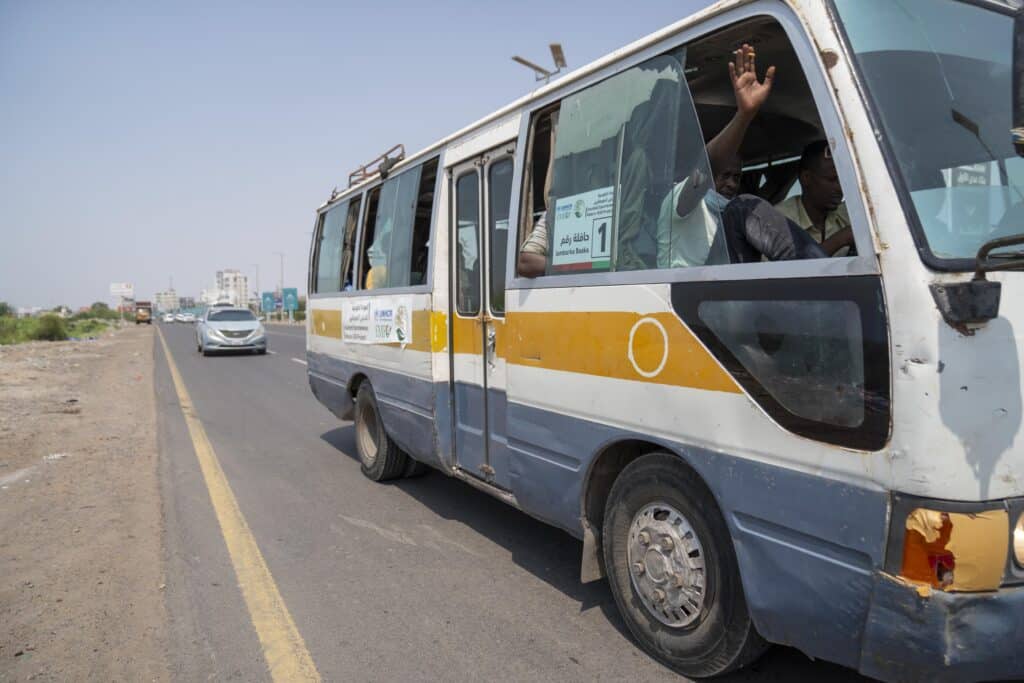 Improving the situation of Somali refugees in Yemen requires coordinated efforts from humanitarian actors and the government—efforts that not only secure their rights in the host country, but also support safe, voluntary return for those ready to rebuild their lives back home.
Voluntary Repatriation: A New Chapter for Somali Refugees
In light of the increasing challenges faced by Somali refugees in Yemen, the Voluntary Repatriation Program offers a glimmer of hope. Amid worsening humanitarian conditions in Yemen—including threats to civilians’ safety—many refugees are now choosing to return to Somalia in search of stability.
The program is part of FMF’s broader refugee protection efforts, implemented in partnership with the UN Refugee Agency (UNHCR). It aims to support Somali refugees wishing to return home safely and with dignity, providing them with assistance before, during, and after the journey.
Support includes registration and documentation, safe transportation, legal consultations, and financial assistance to facilitate reintegration. Coordination with authorities in Somalia helps ensure that returnees arrive to a minimum level of security and essential services, creating a more viable environment for sustainable return.
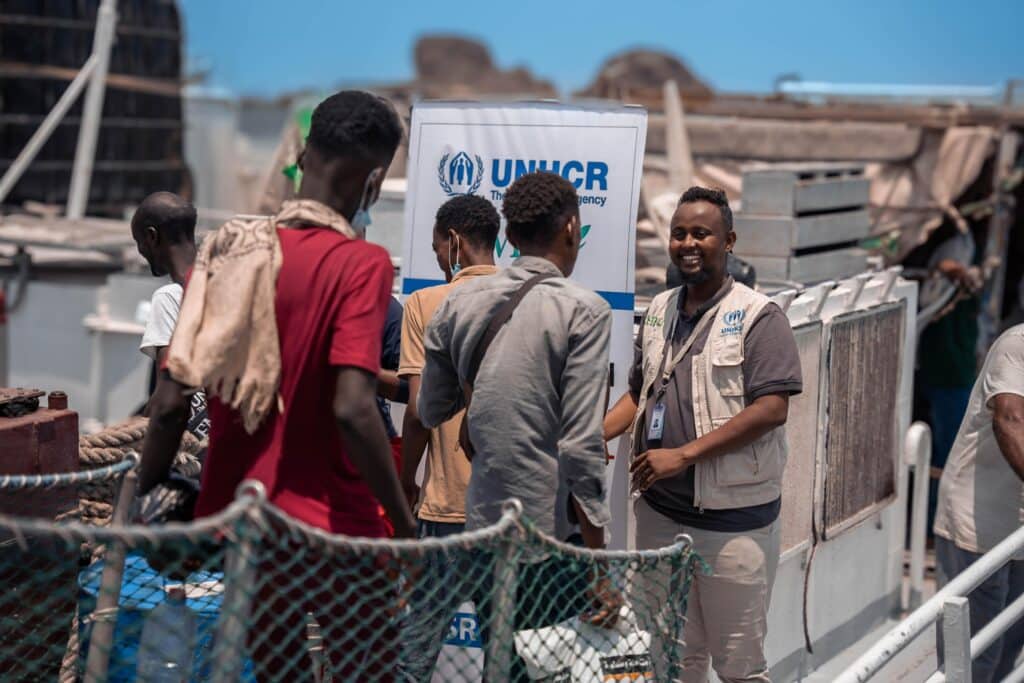 For many refugees, this program offers the first real opportunity to end years of hardship and displacement. But ensuring that return is more than just symbolic requires continued investment in long-term support, enabling families to rebuild their lives and futures with hope.
Yasmin Ahmed: A Mother’s Journey to Reunite with Her Children
Yasmin Ahmed, a 42-year-old Somali woman, spent over a decade in Yemen after leaving her home country in search of work to support her children. Separated from her first husband and children, she arrived in Yemen in 2012, hoping to eventually reach Saudi Arabia. Instead, circumstances kept her in Yemen, moving between Al-Kharaz camp and various cities.
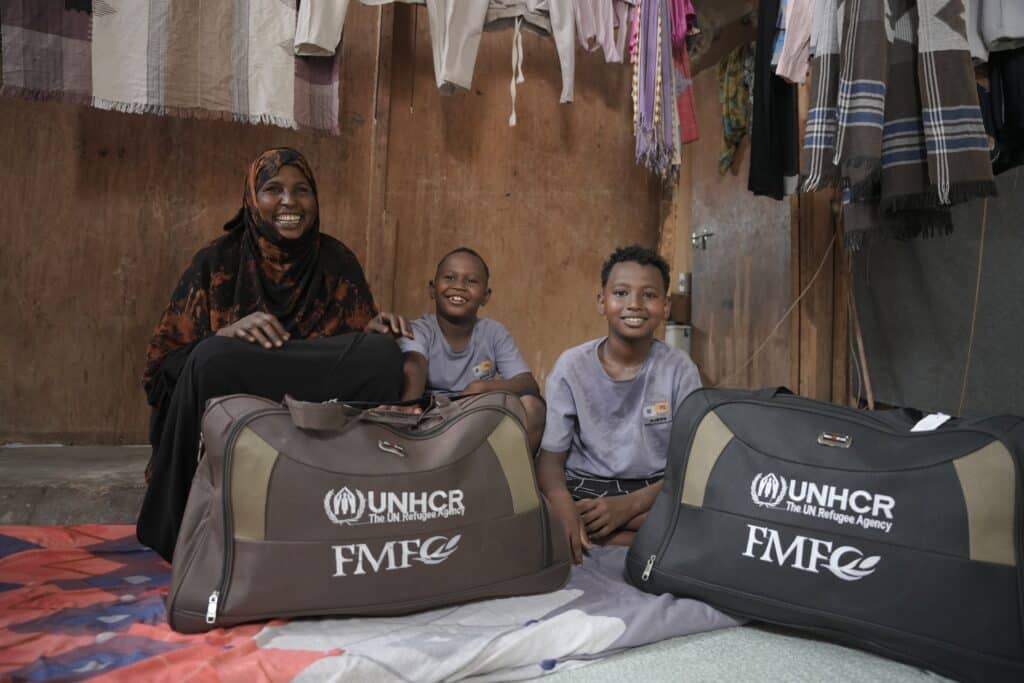 Life in exile was far from easy. After a second failed marriage, Yasmin became the sole provider for her two young children. Struggling to cover rent and living expenses, she carried the emotional burden of being apart from the children she hadn’t seen in over 12 years.
“I missed my children and my country. I endured so much here, but my heart remained in Somalia.”
When she heard about the voluntary repatriation program from her neighbors, she realized it was her chance:
“At that moment, I knew hope was still alive. This was the opportunity I had been waiting for.”
For refugees like Yasmin, return is not just about going home—it’s about reclaiming identity, dignity, and family. Humanitarian programs like FMF and UNHCR’s offer a meaningful path to reunification, healing, and the restoration of life interrupted by conflict.

Mohammed Ibrahim: Discovering a Homeland He’s Never Seen
Mohammed Ibrahim, a 21-year-old Somali refugee, was born and raised in Yemen. He has never seen Somalia—his parents’ homeland—but grew up hearing stories about it. Now, he is preparing to join one of the voluntary return journeys with his family.
“I’ve lived all my life in Sana’a. I’ve heard about Somalia from my parents—the streets, the people, the nature—but I’ve never seen it. I think it’s time to see my real home and start a new chapter there.”
For Mohammed, returning to Somalia is not only about discovering his roots—it’s about building a future. He hopes to find work, improve his living conditions, and pursue his education:
“Life in Yemen hasn’t been easy. I love the country I was born in, but I want to try living in my true homeland and see if I can achieve my dreams there.”
Return in Numbers: A Growing Movement Toward Home
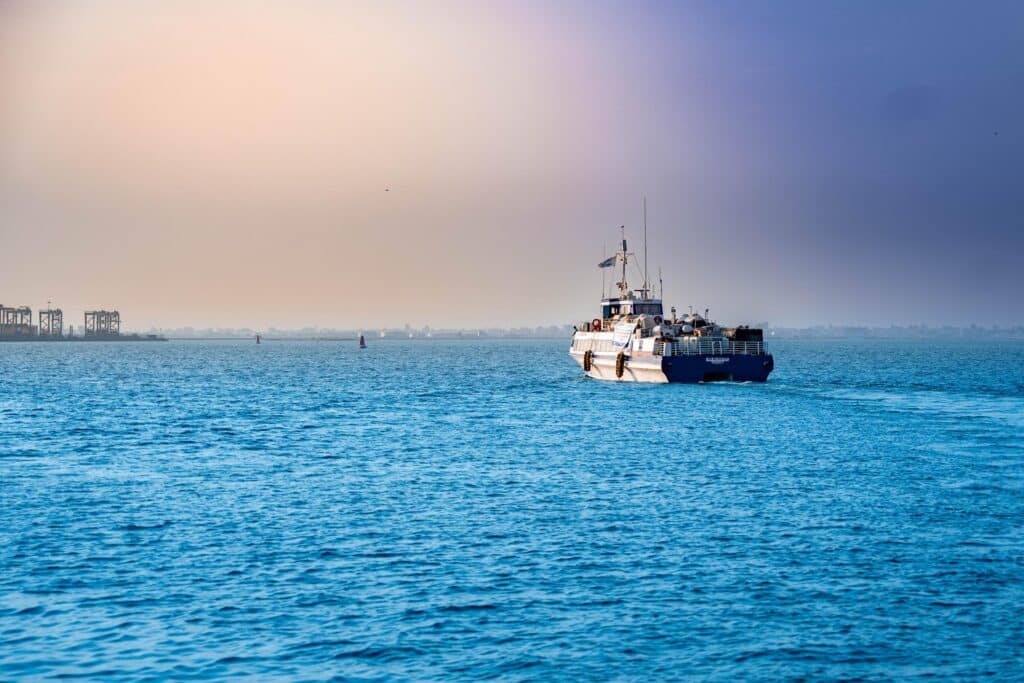
In 2024, FMF and UNHCR successfully organized nine sea repatriation trips, helping 1,055 Somali refugees return home. Upon return, many face new challenges—chiefly the need to secure employment and rebuild family life. Returnees seek stability through small businesses, farming, trade, or vocational work, and many prioritize reuniting with loved ones and continuing their children’s education.
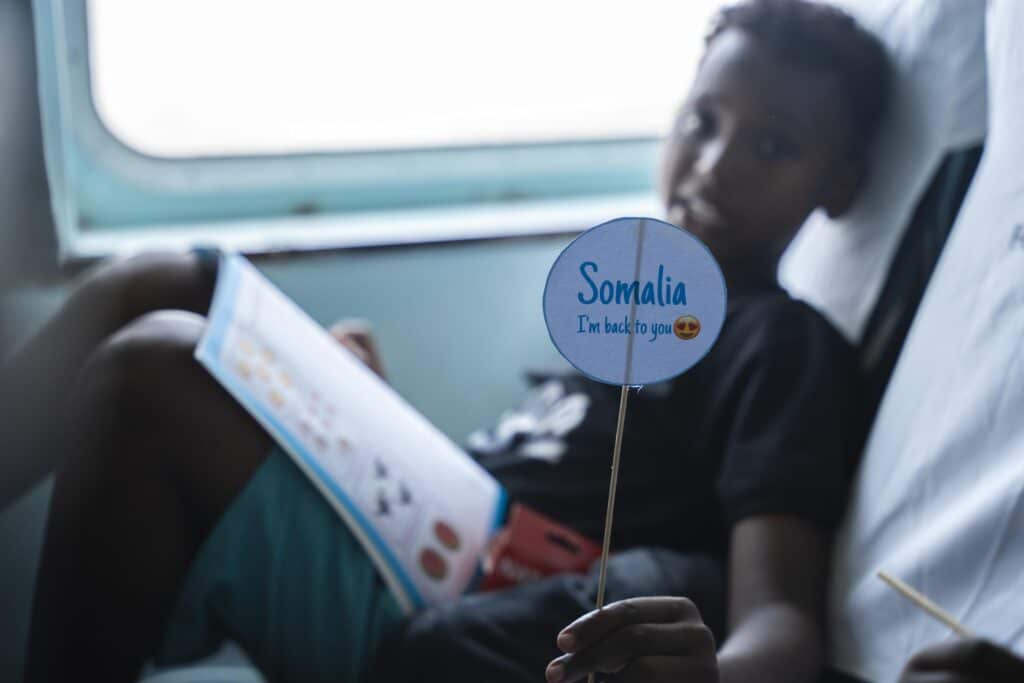 Efforts are ongoing to ensure returnees receive the support they need, from shelter and documentation to education and healthcare—empowering them to contribute to their communities and reclaim their futures.
“There is nothing like the joy of returning home—no matter how long the journey.” Nelson Mandela