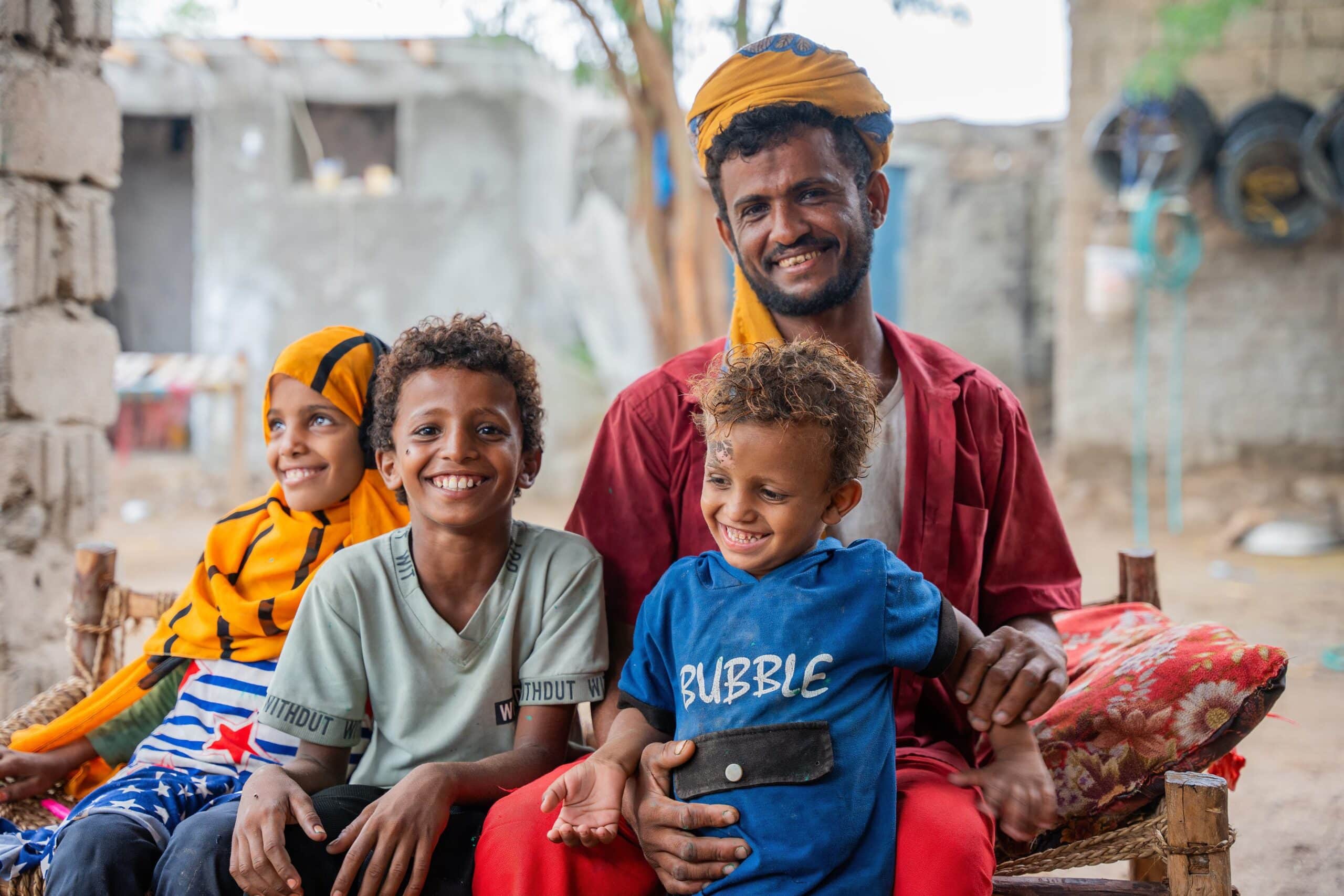
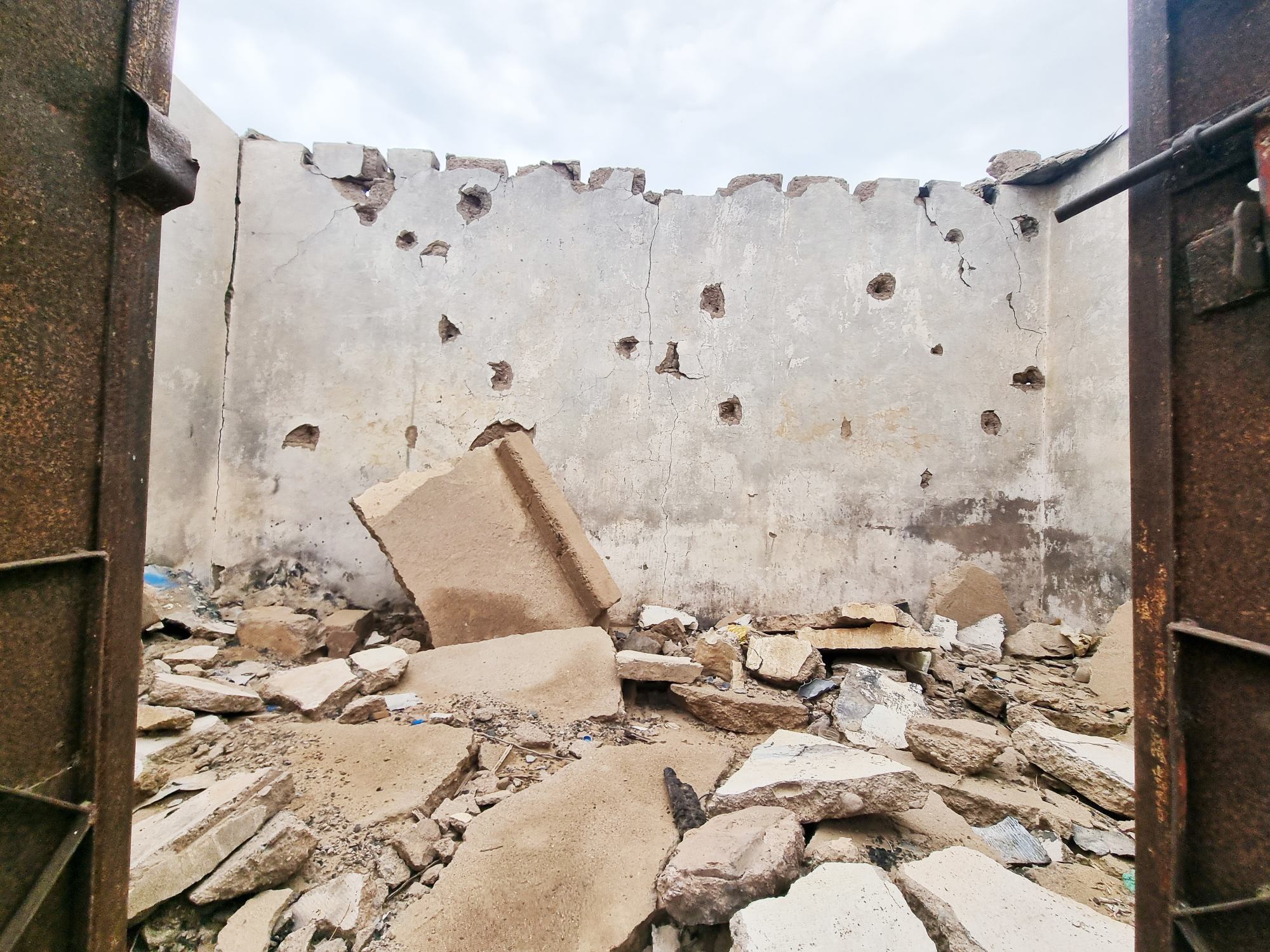
Yemen continues to face one of the world’s most devastating humanitarian crises, with years of conflict leaving millions of civilians in dire need. As violence and indiscriminate shelling persist, communities in severely affected areas like Al-Mokha (Taiz Governorate) and Hays (Al-Hudaydah Governorate) have endured unimaginable hardship. Entire neighborhoods have been reduced to rubble, forcing thousands of families to flee their homes, losing not only their shelter but also their livelihoods.
Homes Destroyed, Families Displaced
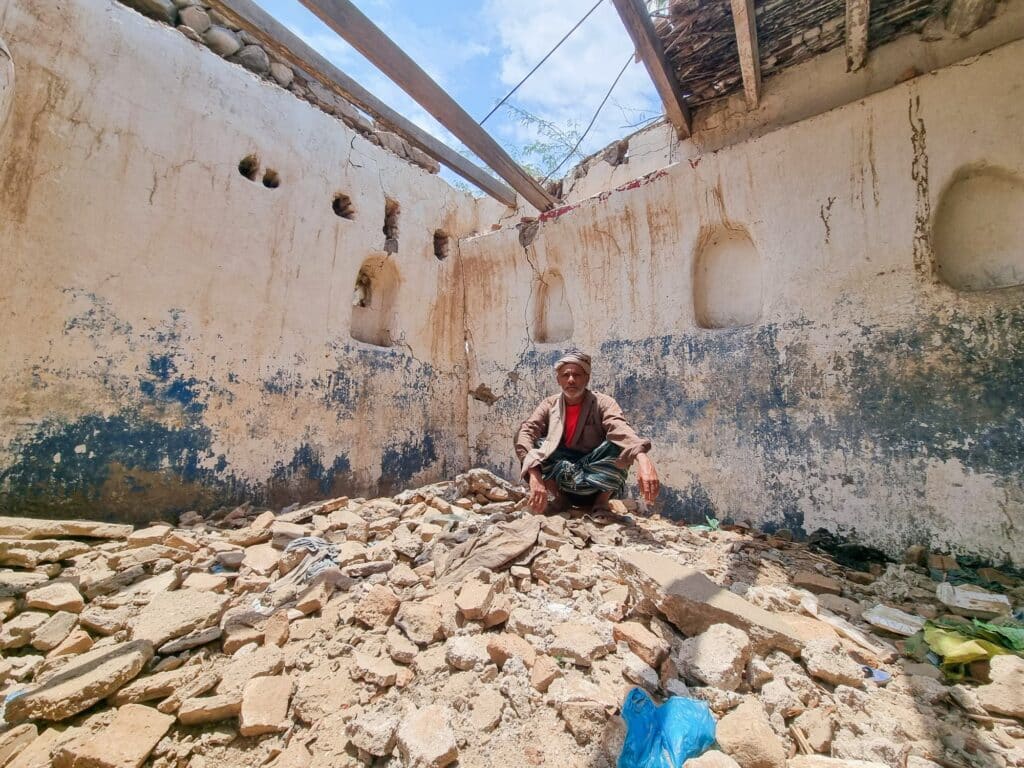
In towns like Al-Mokha and Hays, relentless bombardment has either destroyed homes entirely or rendered them uninhabitable. Families were left with no choice but to abandon their memories, possessions, and communities in search of safety. With little time to prepare, many fled carrying only what they could hold, often ending up in overcrowded displacement camps that lack even the most basic necessities. What once were homes full of life have become silent ruins—symbols of broken dreams and interrupted futures.
Economic Struggles and Barriers to Reconstruction
Although some displaced families have returned to their hometowns as the intensity of fighting subsided, they were met with daunting challenges. The soaring cost of construction materials, limited job opportunities, and widespread poverty made it nearly impossible to rebuild. Most returnees found themselves unable to afford even basic repairs, let alone reconstruct their homes. With unemployment rising and purchasing power at an all-time low, displaced families now depend almost entirely on humanitarian aid, which remains insufficient to meet their growing needs.
The need for an urgent and integrated humanitarian response is more critical than ever—not only to meet food and shelter needs, but to invest in long-term recovery through housing reconstruction and livelihood support.
FMF’s Humanitarian Housing Recovery Initiative
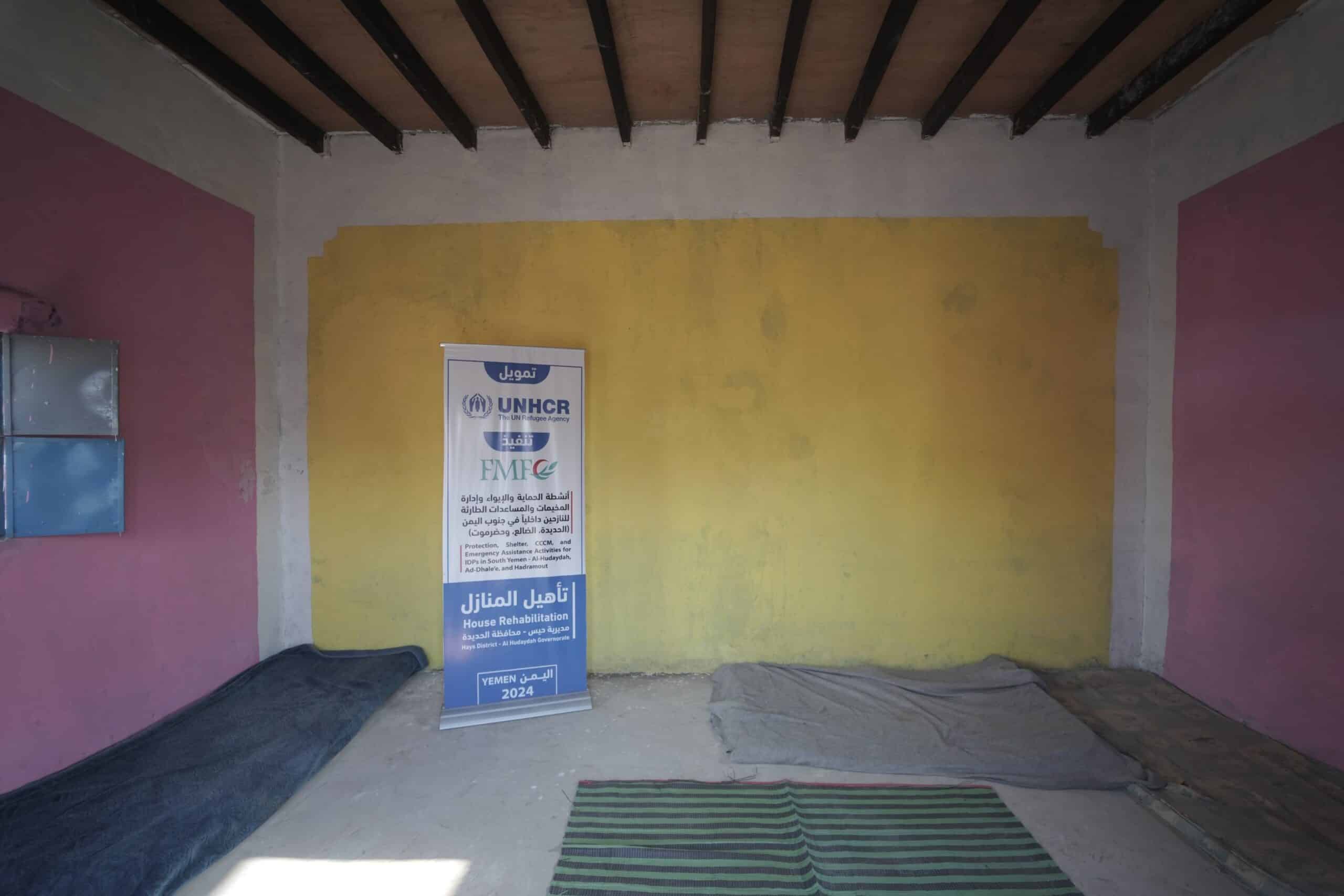
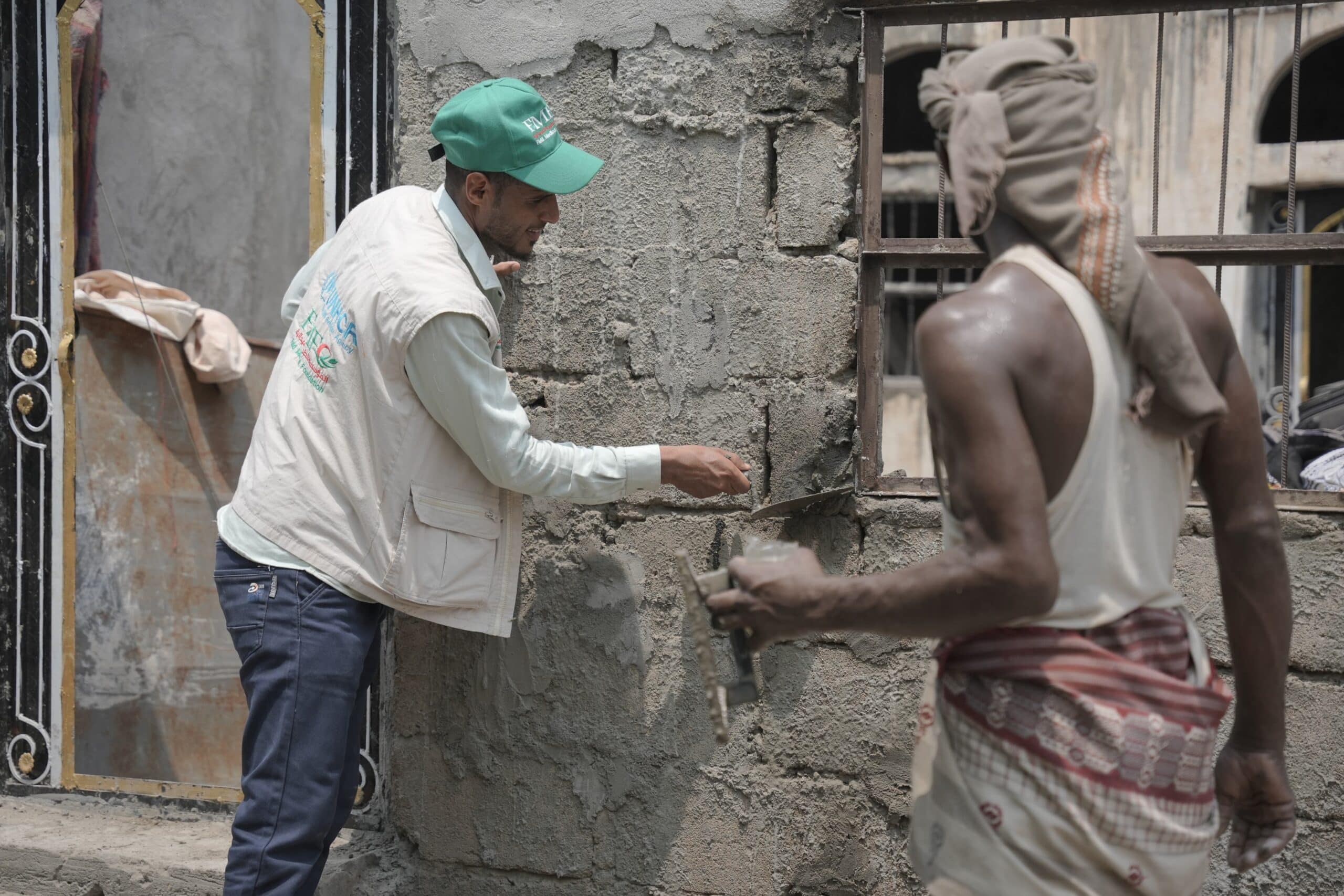
To address these needs, the Field Medical Foundation (FMF), in partnership with the UN Refugee Agency (UNHCR), launched a targeted project to rehabilitate war-damaged homes in high-impact areas. The program aims to provide safe and dignified housing for vulnerable families by offering direct financial assistance to help them purchase essential construction materials and complete basic repairs.
In addition to financial support, the project includes a legal aid component. Many displaced persons lost official property documents during their flight, preventing them from accessing reconstruction assistance. FMF’s legal team works closely with local authorities to verify ownership and issue new documentation—an essential step for reintegration and protection of rights.
Rebuilding Hope: Ali Ibrahim’s Story
Ali Ibrahim Salem, a father of twelve from Hays, never imagined he would one day flee his home. But as the fighting intensified, he had no choice but to leave everything behind. He and his family endured years of displacement—moving from Hays to Al-Khawkhah, and eventually to Abyan—surviving under extremely difficult conditions.
When he finally returned to his village, he found his house heavily damaged. Lacking resources, he used tree branches to build a makeshift shelter for his family.
“We lived in tragic conditions,” he recalled. “Rain would flood our shelter from all sides. I used empty flour sacks to keep my children warm.”
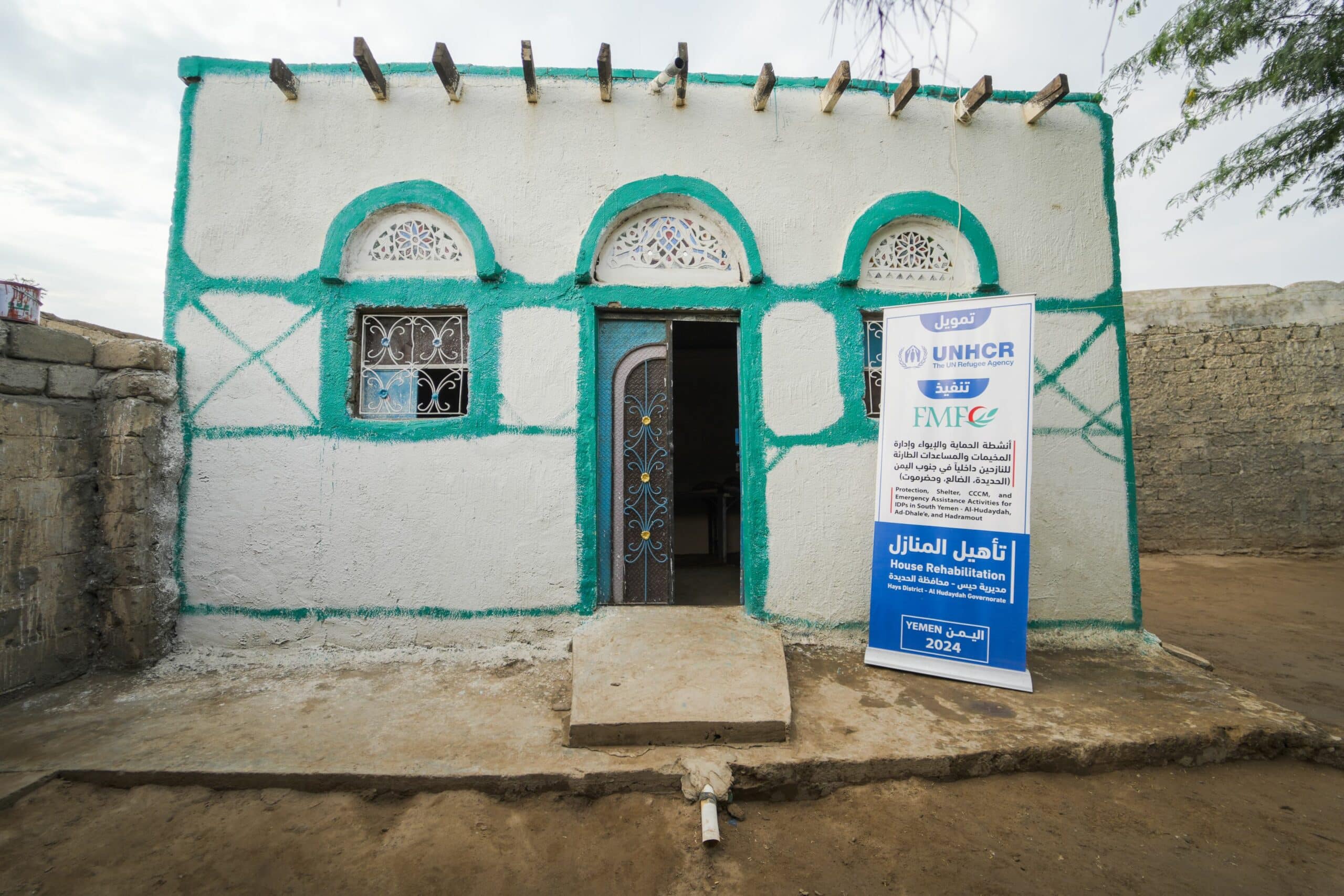
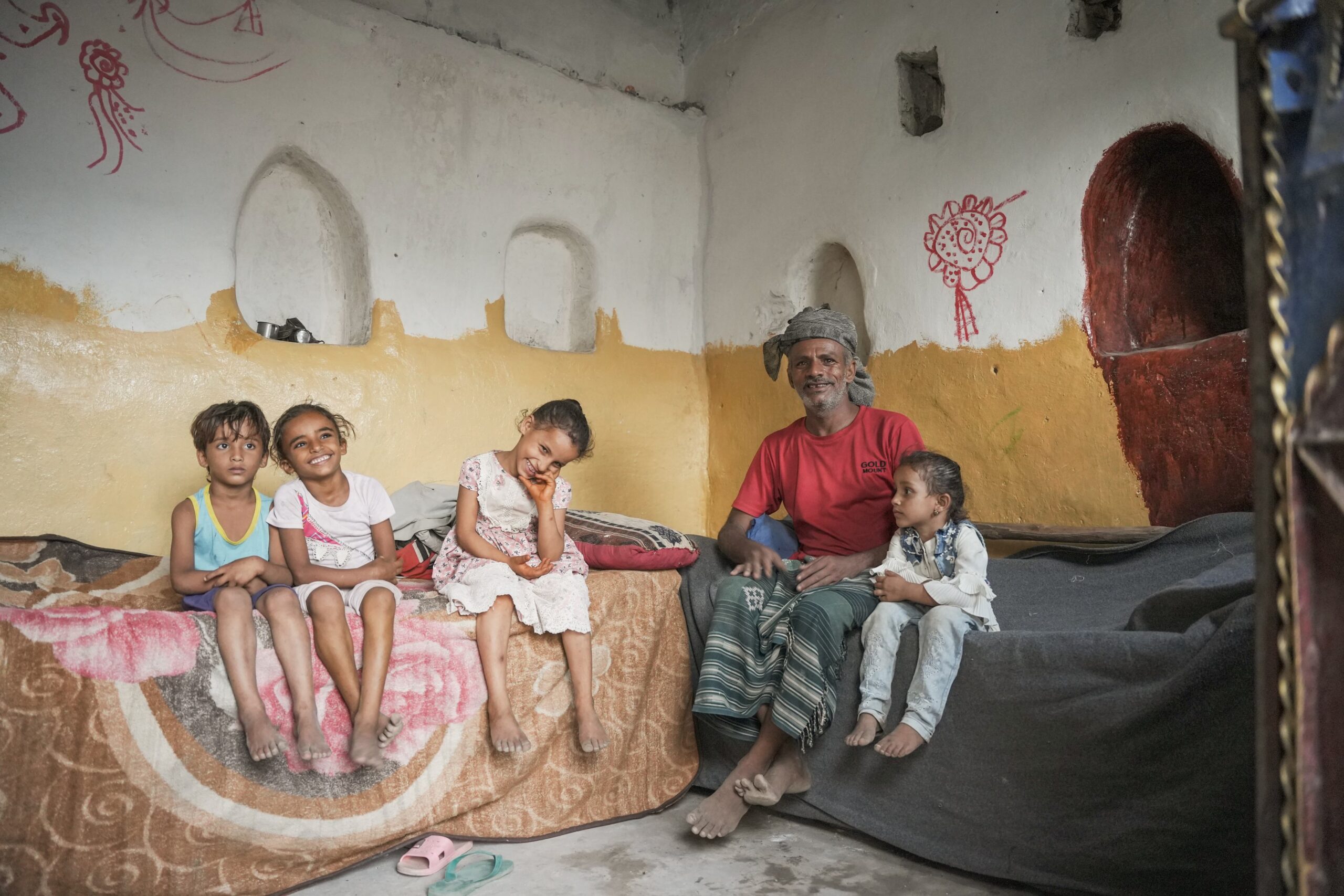
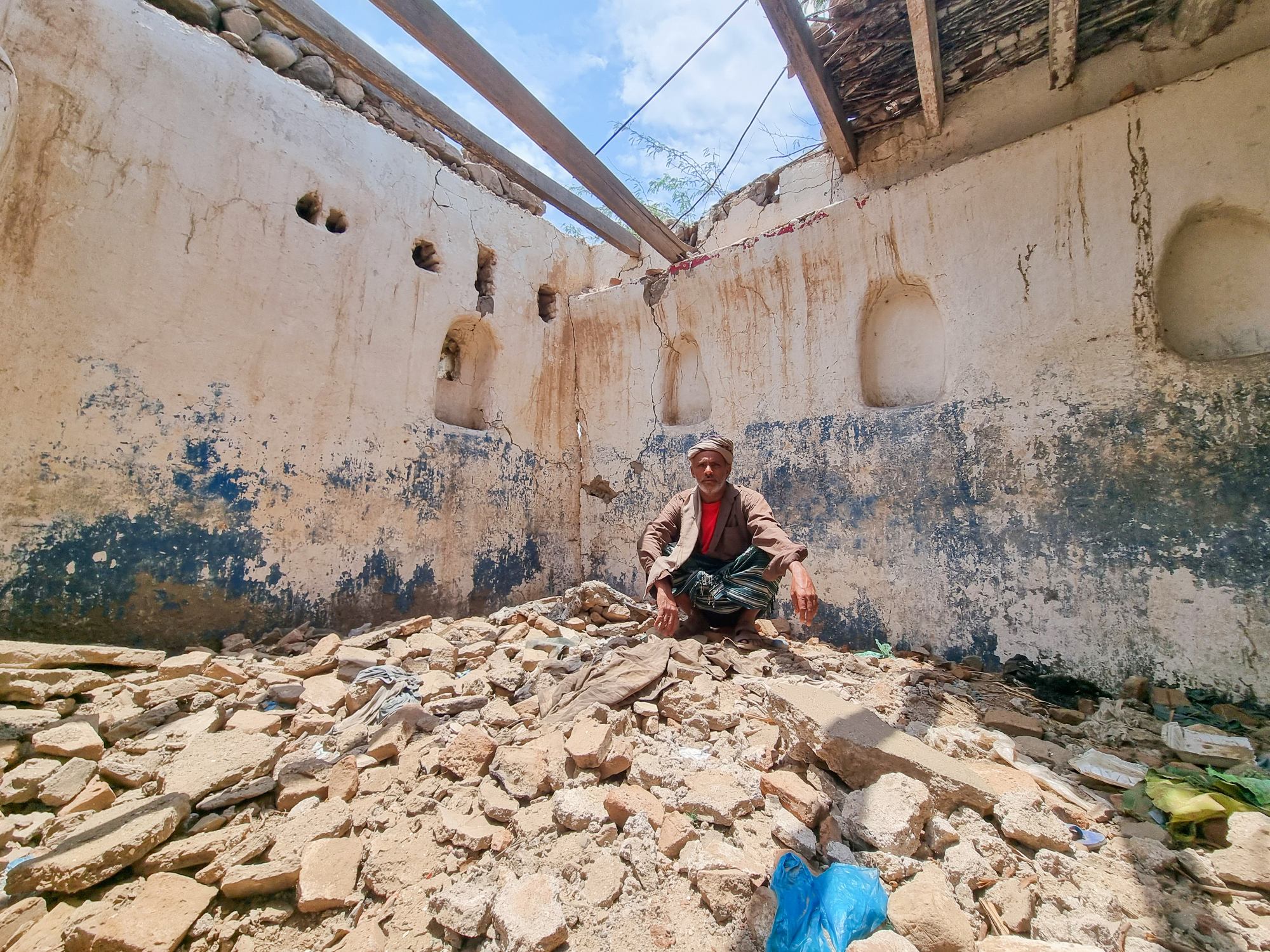
Initially, Ali was unable to prove his ownership of the damaged property—a common issue, with over 90% of applicants facing similar problems. But FMF’s legal team stepped in, working with local authorities to validate his case and issue official documentation. This enabled Ali to receive the financial support needed to rebuild.
“I bought the materials, fixed the roof and walls, replaced the windows, and painted the house,” said Ali. With his home restored, his family finally found stability after years of displacement. “This house holds all our memories. I am so grateful to be back and to give my children a safer future.”
More Than Shelter: A Path to Stability
FMF’s housing rehabilitation program is about more than bricks and mortar—it restores dignity, stability, and a sense of belonging. In 2024 alone, 84 homes were successfully rehabilitated through this initiative. These homes are now havens for families who had lost everything. Children who once worried about sleeping in the rain can now focus on going back to school. Parents can plan for the future without the constant fear of eviction or further displacement.
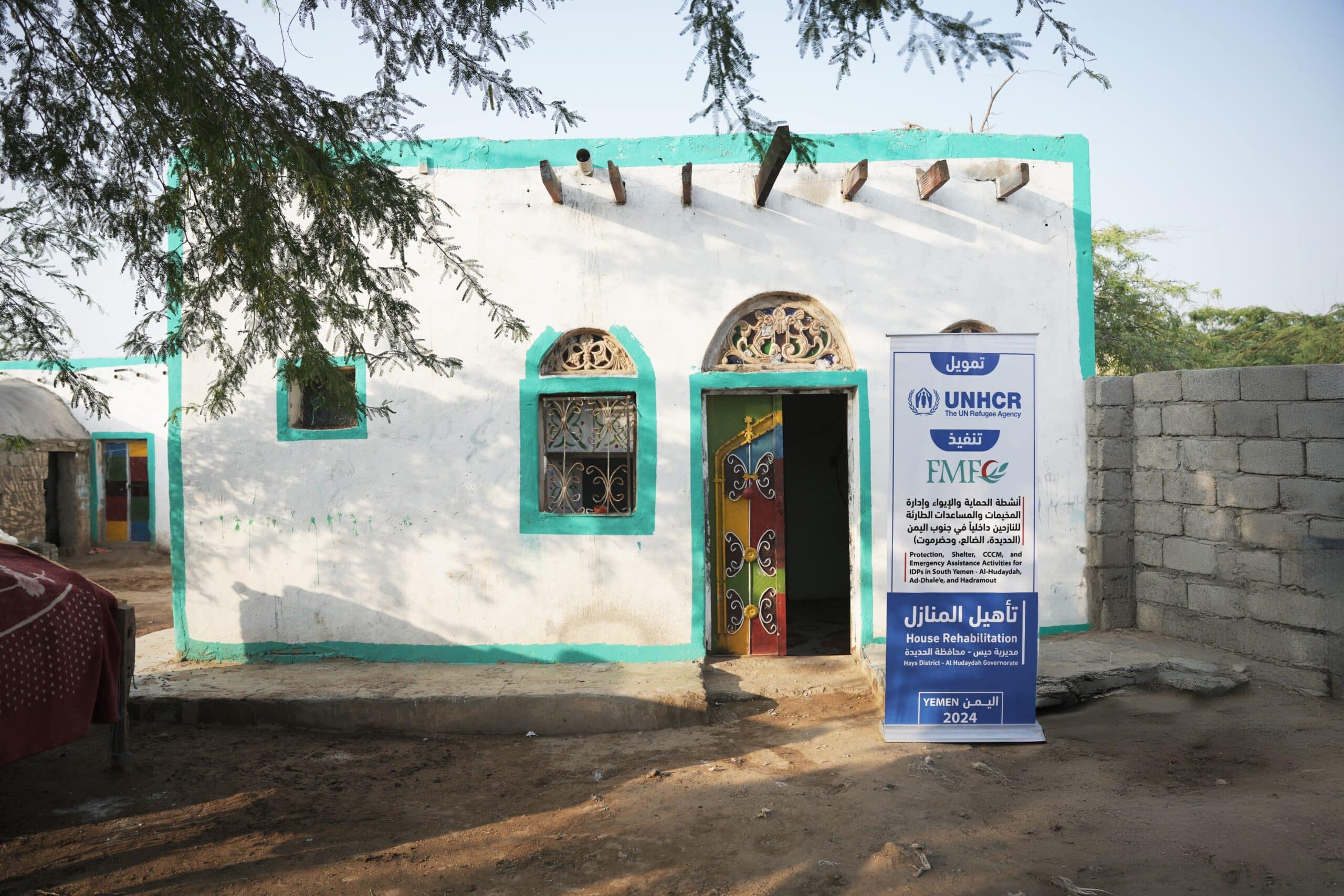
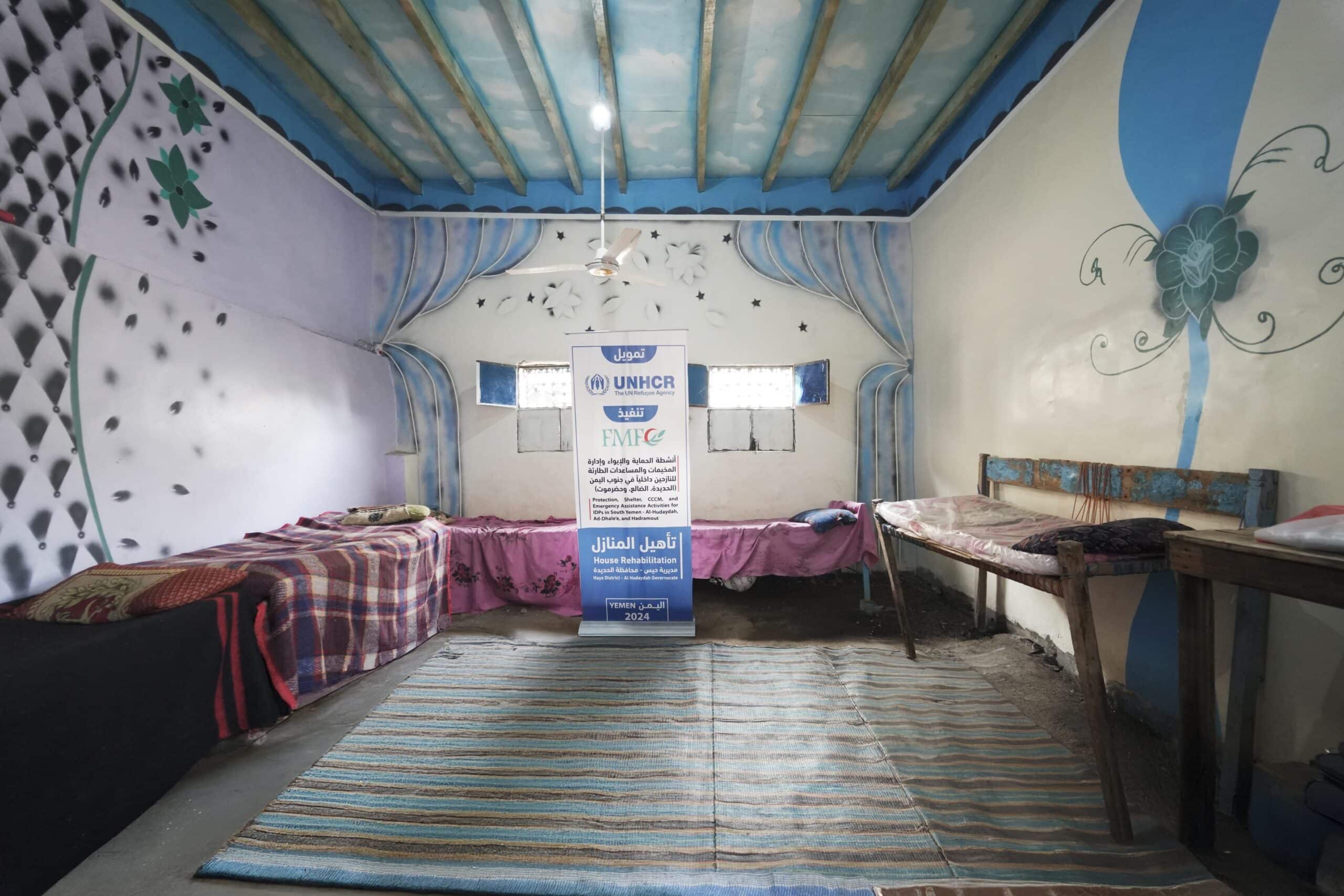
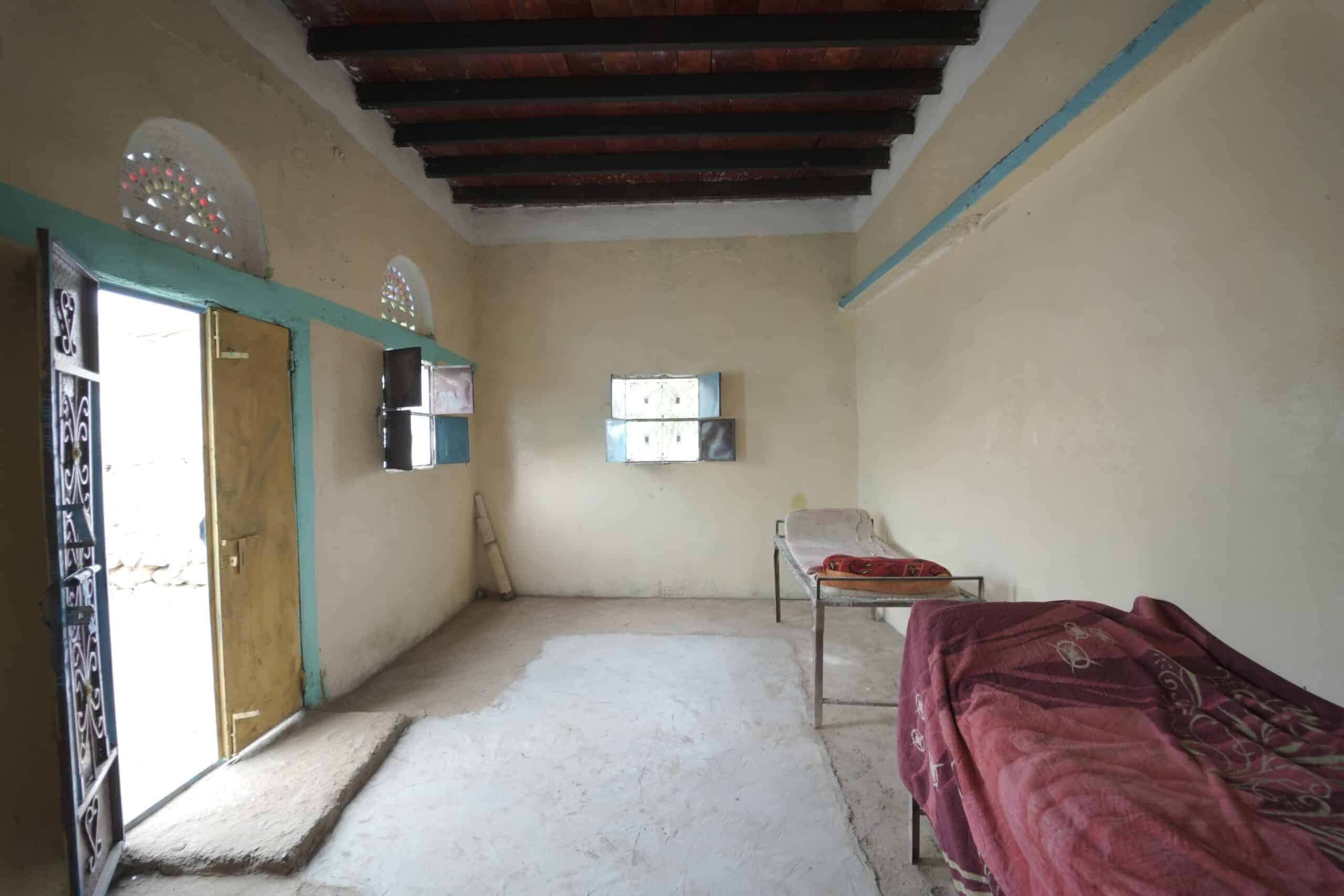
Beyond shelter, these efforts support broader social and economic recovery. Secure housing improves health outcomes, encourages educational continuity, and supports mental well-being. The legal assistance component ensures that property rights are protected, paving the way for long-term economic reintegration and security.
Conclusion: A Call for Scaled-up, Integrated Support
Yemen’s humanitarian crisis demands more than short-term aid. Displaced families need sustained, targeted support that addresses both their immediate survival and long-term recovery. Housing rehabilitation—when paired with legal assistance and livelihood support—is a cornerstone of this recovery.
Programs like FMF’s, implemented in partnership with UNHCR and local authorities, offer a model for effective, rights-based humanitarian response. Expanding such interventions is essential to help families rebuild their lives with dignity and restore hope in the midst of despair.