Maternal and Infant Health in Yemen: A Silent Emergency
Pregnant and breastfeeding women in Yemen face immense health risks due to the limited availability of maternal care services. In many parts of the country, women are forced to give birth at home without medical assistance due to the absence of nearby hospitals or trained midwives, placing them at high risk of complications and death.
Yemen has one of the highest maternal mortality rates in the world, with thousands of women dying each year from preventable pregnancy and childbirth complications. Malnutrition among breastfeeding mothers — driven by poverty and food insecurity — further compromises their health and that of their infants, many of whom suffer from acute malnutrition as a result.
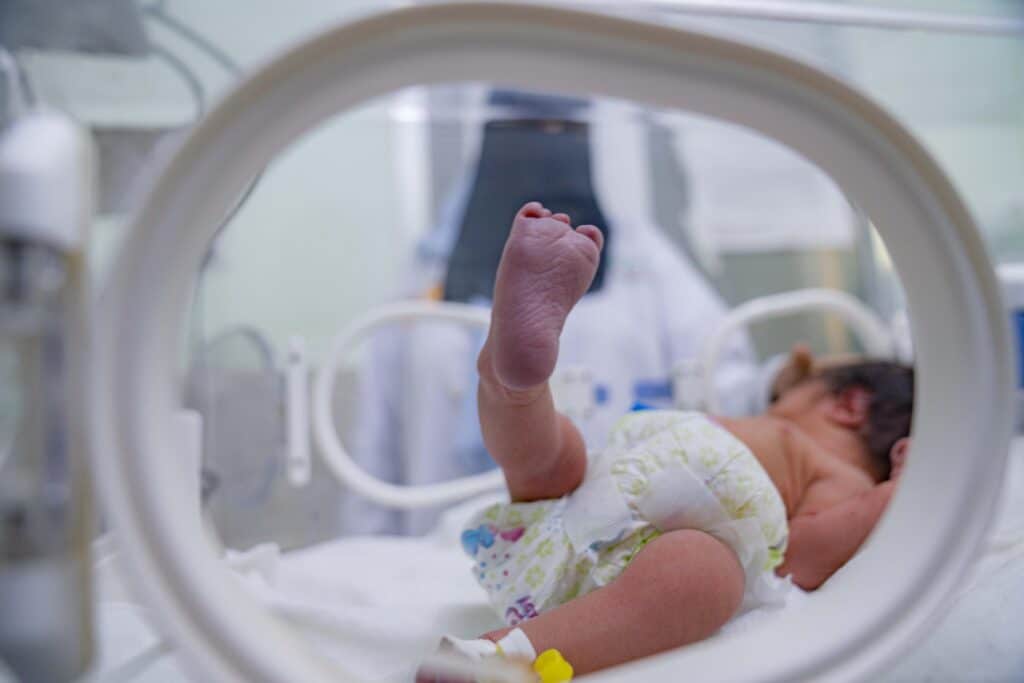 The lack of integrated maternal health services also leads to preventable postnatal complications, including severe bleeding and infections. The urgent need to establish and support facilities that provide comprehensive care for mothers and newborns has never been more critical. Every day, women and children lose their lives simply because they do not have access to basic medical support.
Improving Maternal and Youth Health in Yemen: A Strategic Partnership for Change
In response to the growing health challenges faced by pregnant and lactating women in Yemen — especially in areas with fragile medical infrastructure — the Field Medical Foundation (FMF), in partnership with the United Nations Population Fund (UNFPA), is implementing a wide range of health interventions. These efforts aim to support health facilities, medical staff, and vulnerable women through a comprehensive package of services.
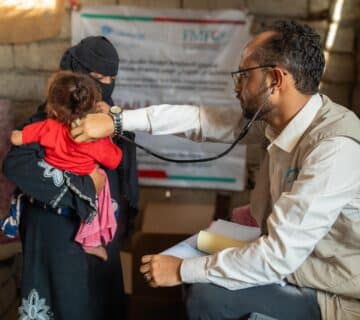
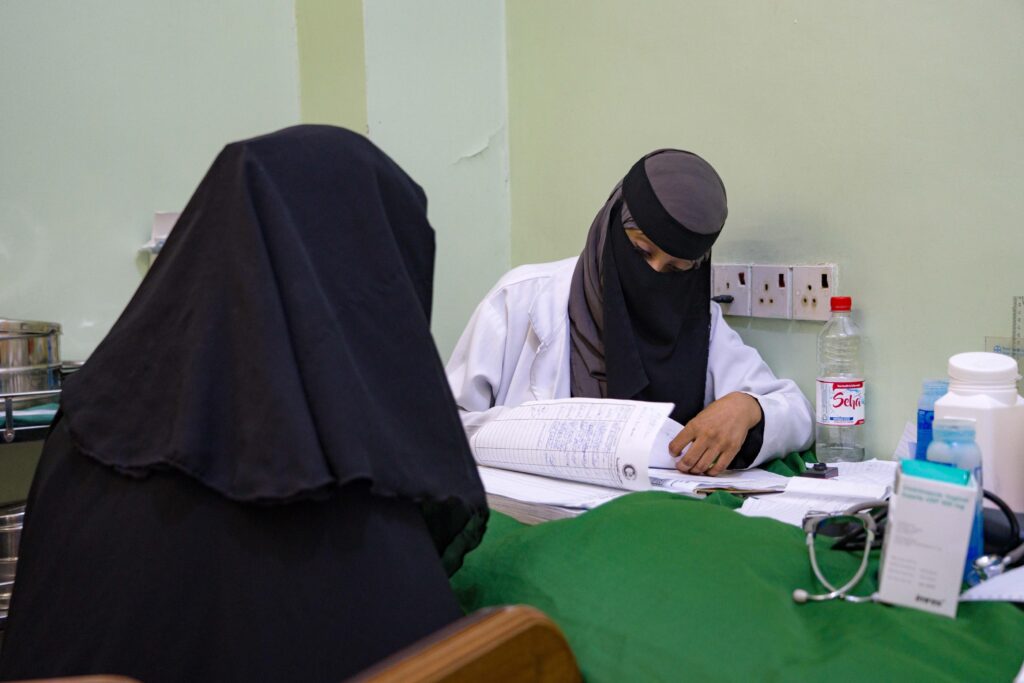 The initiative includes equipping hospitals with essential medical supplies and medications, operating mobile clinics, and strengthening emergency obstetric and neonatal care units. Health workers receive training in emergency response and reproductive health, and are also offered incentives to ensure continuity of services.
For pregnant and breastfeeding women, the project delivers holistic care through supported facilities — including clean delivery kits, family planning services, and psychosocial support. The goal is to expand access to emergency obstetric care, protect women from gender-based violence, and raise awareness around reproductive health in local communities.
A Journey of Hope: Samar’s Story and the Transformation of Maternal Care in Yemen
In Ras Al-Arah, Lahj Governorate, Samar a 32 year old nurse lives in a community with little access to essential services, particularly healthcare.
“We always had to travel long distances just to find medical care,” she recalls.
One day, while seeking a facility for childbirth, Samar tragically lost her first baby due to the lack of proper care and delayed access to a midwife.
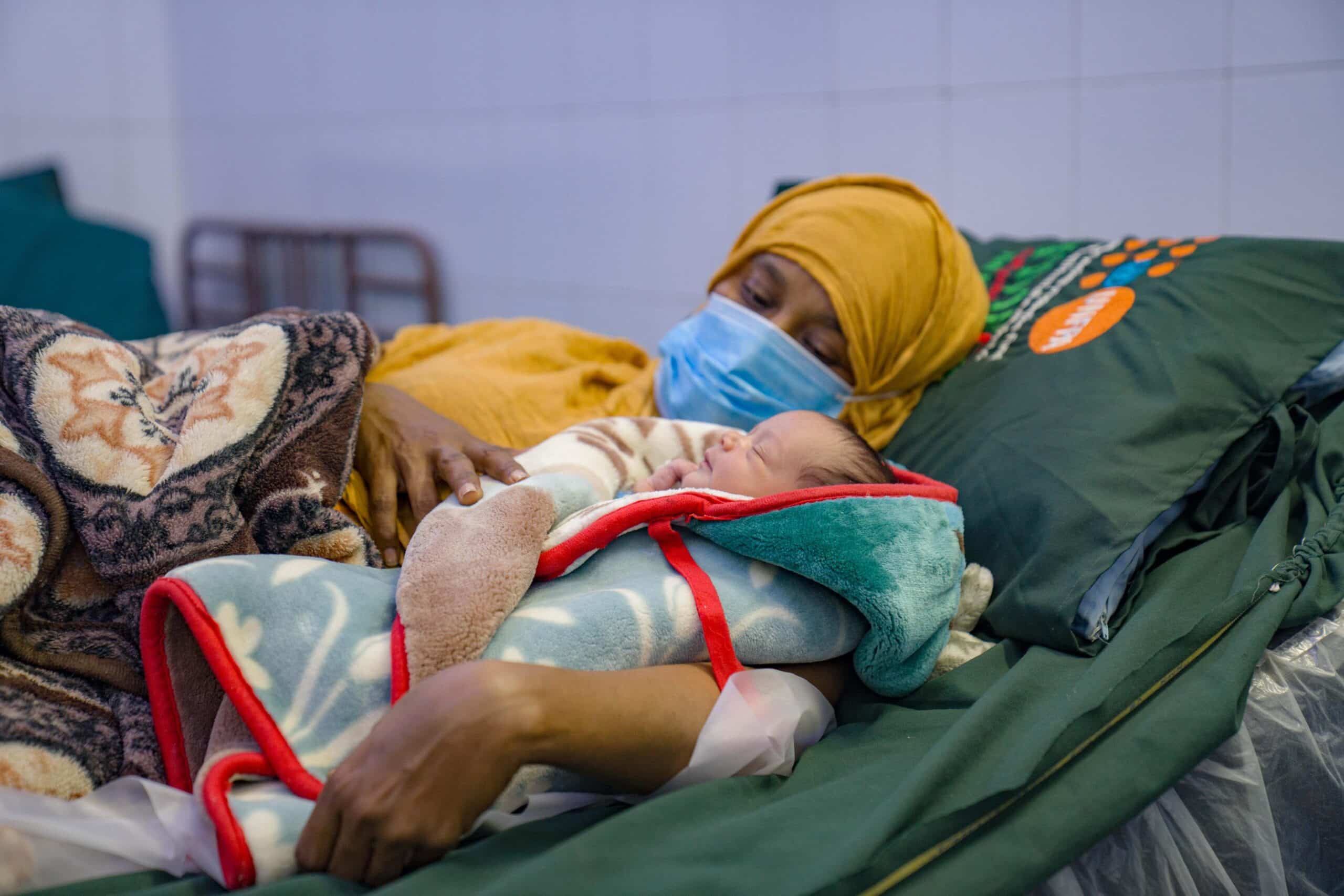
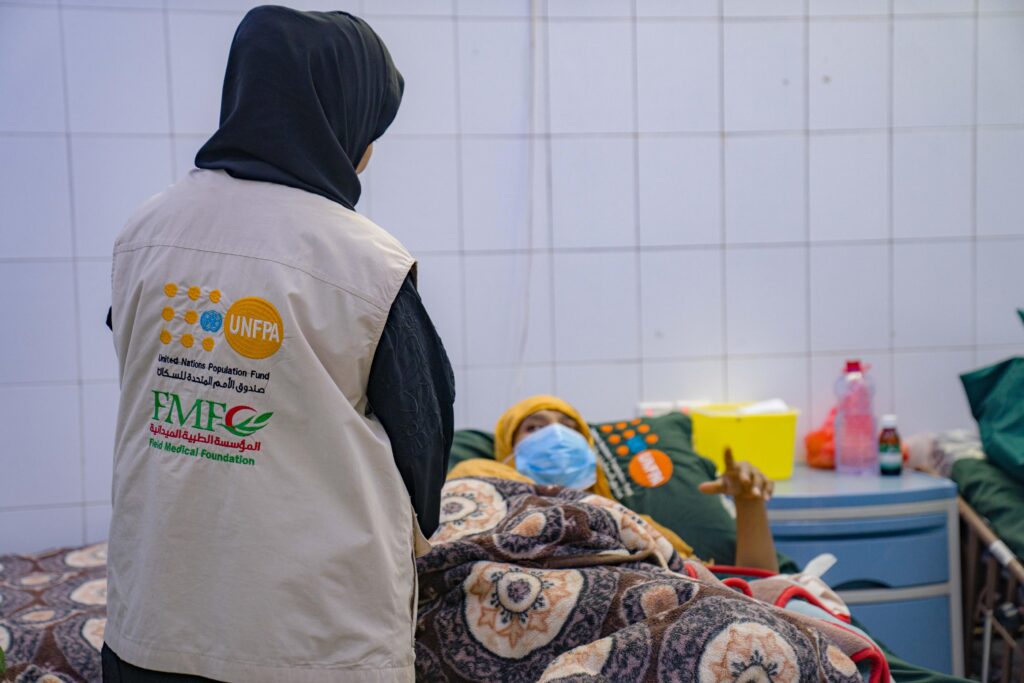 Her life changed when she learned about the Emergency Obstetric and Neonatal Care Center in Seera, Aden. Despite the distance, Samar and her husband made a two-and-a-half-hour journey to reach the center, where she found a safe, supportive environment and a skilled medical team.
“I felt like I was at home, surrounded by care,” she said.
At the center, Samar safely delivered her newborn — a moment of joy and healing after deep sorrow. Her story is a powerful reminder of the impact that access to quality maternal care can have, especially in underserved areas. Today, Samar’s experience stands as a symbol of hope and a testament to the transformative power of health interventions.
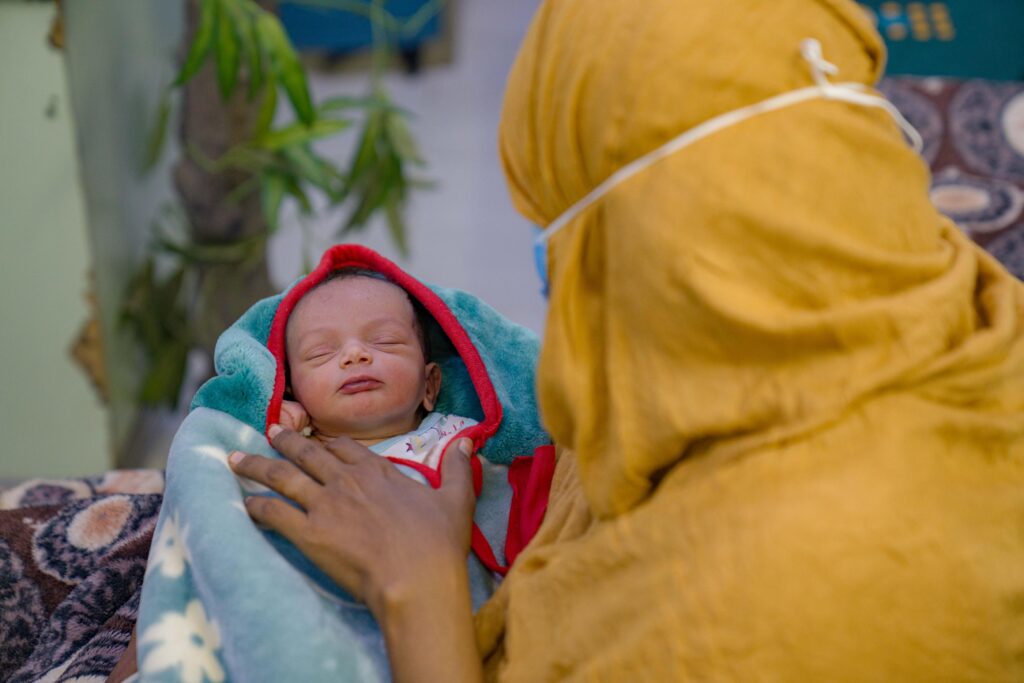 Through the FMF–UNFPA partnership, 11 health centers across Aden, Abyan, Shabwah, and Al-Dhalea now offer reproductive health services, with seven of these facilities providing comprehensive emergency obstetric care. In 2024 alone, these centers supported 22,287 safe deliveries, marking a significant step toward improving maternal outcomes across the country.
A Lifeline for Mothers and Communities
Projects focused on maternal and youth health — such as the FMF–UNFPA initiative — are essential to improving the lives of individuals and communities in Yemen. These programs deliver critical services, save lives, and enhance overall well-being in a country facing deep humanitarian challenges.
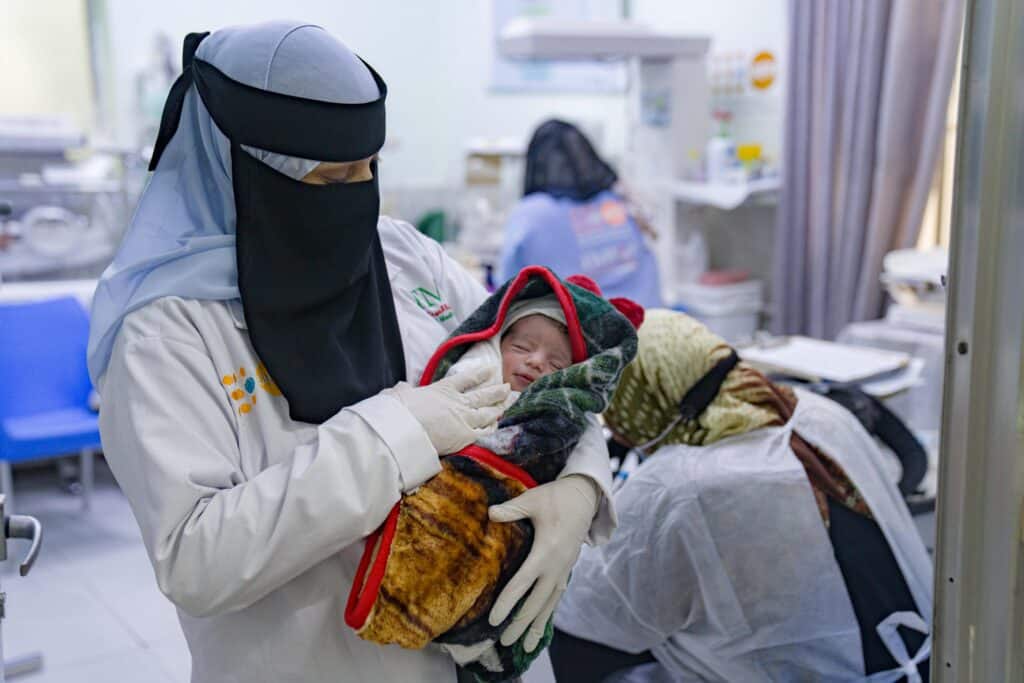 By targeting remote and underserved areas, these interventions protect the most vulnerable: mothers, newborns, and children. Their success depends on strong collaboration between government institutions, humanitarian organizations, and the private sector. Only through coordinated, sustained efforts can Yemen’s health needs be met effectively.
Such partnerships are not just responses to a crisis — they are cornerstones for rebuilding Yemen’s healthcare system and advancing long-term development, even in times of conflict.