A Harsh Reality
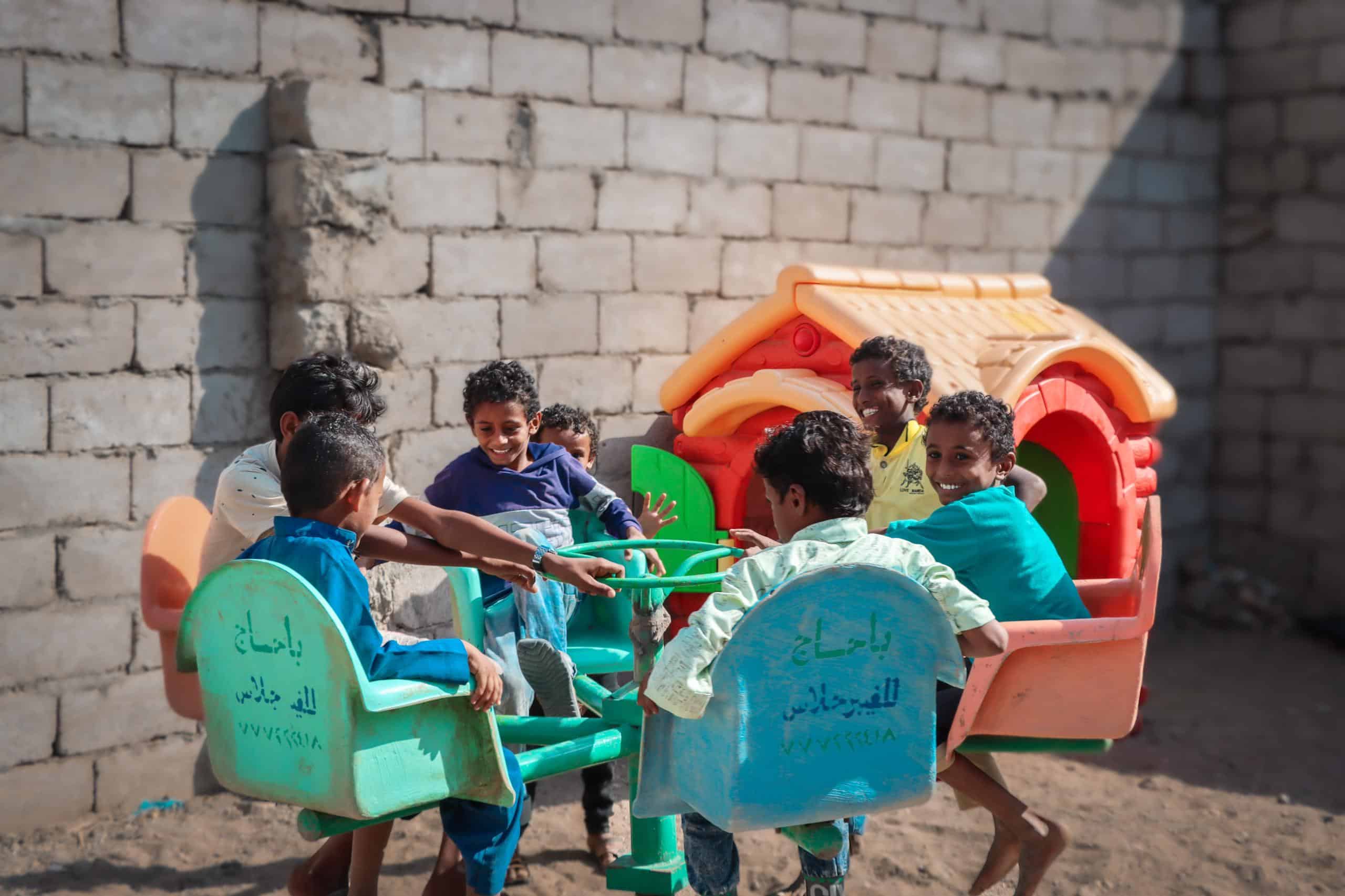
Every day, displaced families across Yemen endure worsening conditions in camps that are unfit for human life. Forced to flee war and conflict, they find themselves in makeshift shelters that offer little protection from harsh weather. Rain turns the ground into mud, extreme temperatures make daily life unbearable, and access to clean water is dangerously limited — fueling the spread of diseases like cholera. Food is scarce, unevenly distributed, and malnutrition among children is rampant.
Amid these struggles, education becomes an unreachable dream. Children drop out to work, beg, or simply because there are no schools, teachers, or materials. A generation is growing up without the tools to change their future, trapped in poverty and hardship.
Worse still, the absence of civil documentation locks many displaced families out of essential services. IDs lost during flight or births left unregistered mean no access to aid, schools, or jobs — cutting people off from society and their basic rights.
In this environment, survival is a daily battle. But with the right support, these families can begin to rebuild.
Refugee and IDP Protection Project: A Path Toward Stability
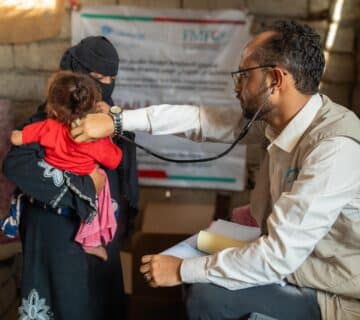
Amid these humanitarian challenges, the Field Medical Foundation (FMF), in partnership with UNHCR, is implementing the Protection Project to improve the lives of displaced and refugee populations in Yemen. The project provides legal, social, and psychosocial support to help restore stability and dignity to those affected by displacement.
A key component is helping individuals obtain official documentation, enabling them to reclaim their rights — including education, healthcare, and work. The project also runs awareness sessions and training programs for women to confront gender-based violence and offers psychosocial support to displaced children, helping them reintegrate into safer, more stable environments.
Through these efforts, the project has made a measurable impact on thousands of families, offering them renewed hope and a chance at a dignified life.
Ali: An ID Card That Restored His Rights and His Life
Ali, a displaced man from Al-Hudaydah, fled with his family to a camp in Al-Dhale’e due to ongoing conflict. Losing his identification during the journey created serious challenges: he couldn’t register his children for school or access humanitarian aid. With no official proof of identity, his family’s situation remained unstable.
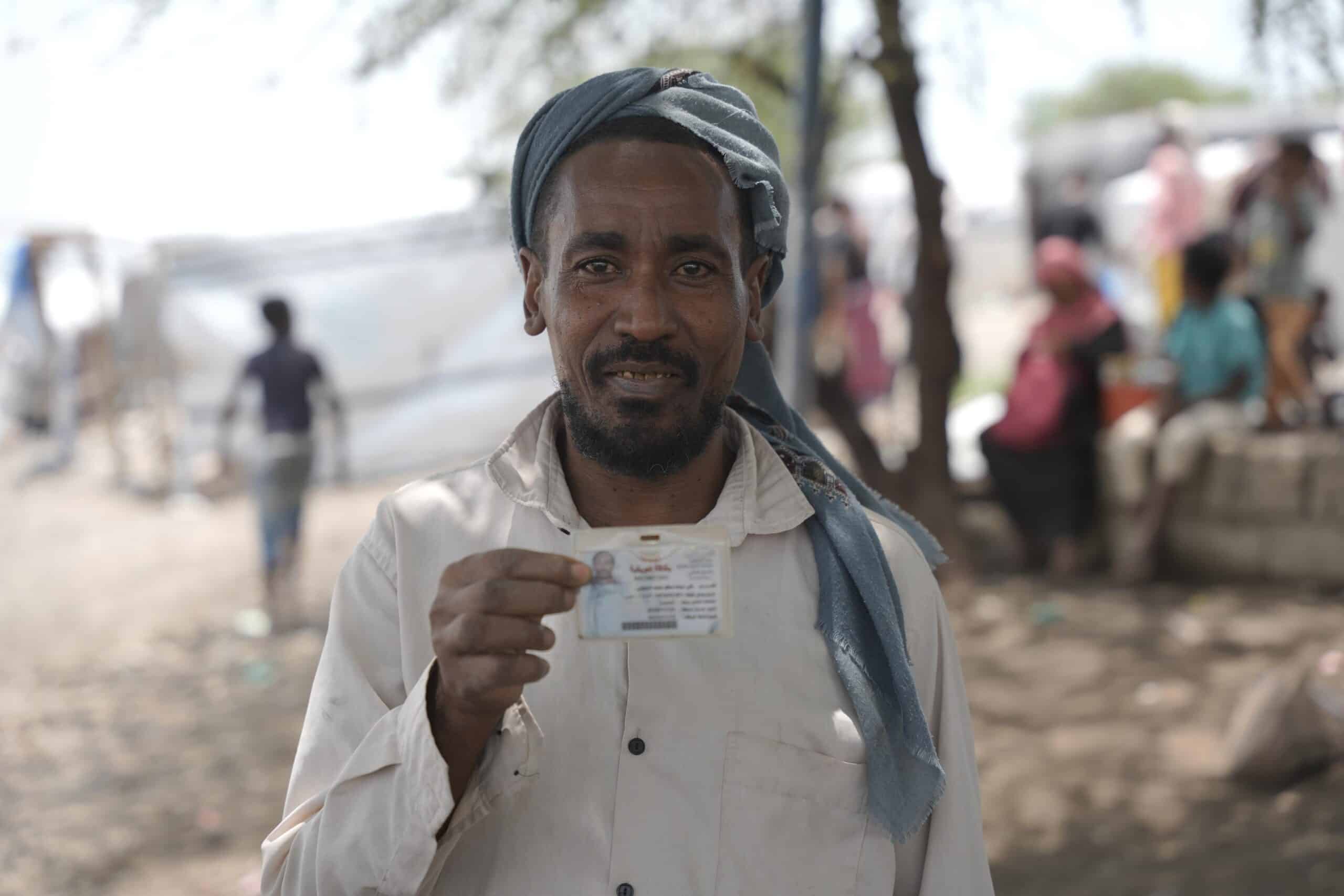
Thanks to the Protection Project, Ali obtained a new ID card, opening up access to critical services. He enrolled his children in school, received healthcare, and gained the freedom to move and work without fear.
“The ID wasn’t just a card — it was a new beginning. It gave me back my rights and allowed me to care for my family again,” he said.
Naela: From Fear to Reclaiming Her Dignity
 Naela, who fled from Taiz, settled in a camp in Al-Dhale’e with her husband and children. Life was stable at first — until her husband began abusing her physically and emotionally, denying her and the children financial support. Though she knew help was available, social stigma and fear of judgment kept her silent.
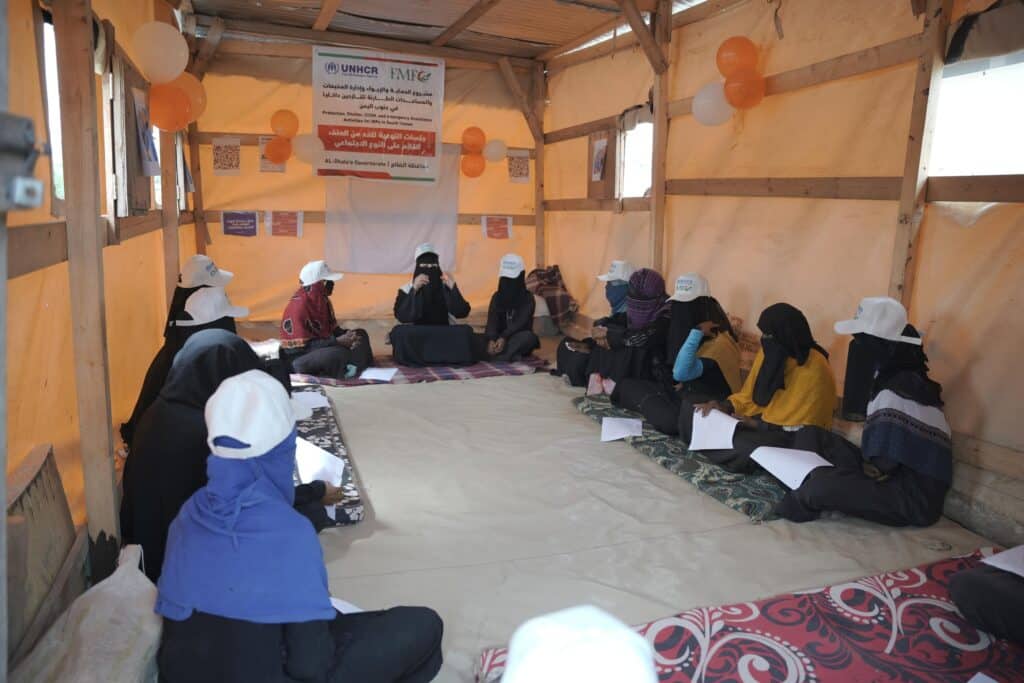
Through awareness sessions held by the Protection Project, Naela gradually regained her confidence. After receiving psychological support, she bravely consulted one of the project’s legal experts, who intervened to advocate for her rights.
“I was afraid to speak up, but those sessions gave me the courage to demand my rights,” Naela said.
Eventually, her husband changed his behavior, and family life improved. Naela’s story not only changed her own fate, but also inspired other women in the camp to break their silence and seek help. Today, Naela lives with greater stability and a renewed sense of dignity and independence.
Awatif: A Child Between Survival and the Dream of Education
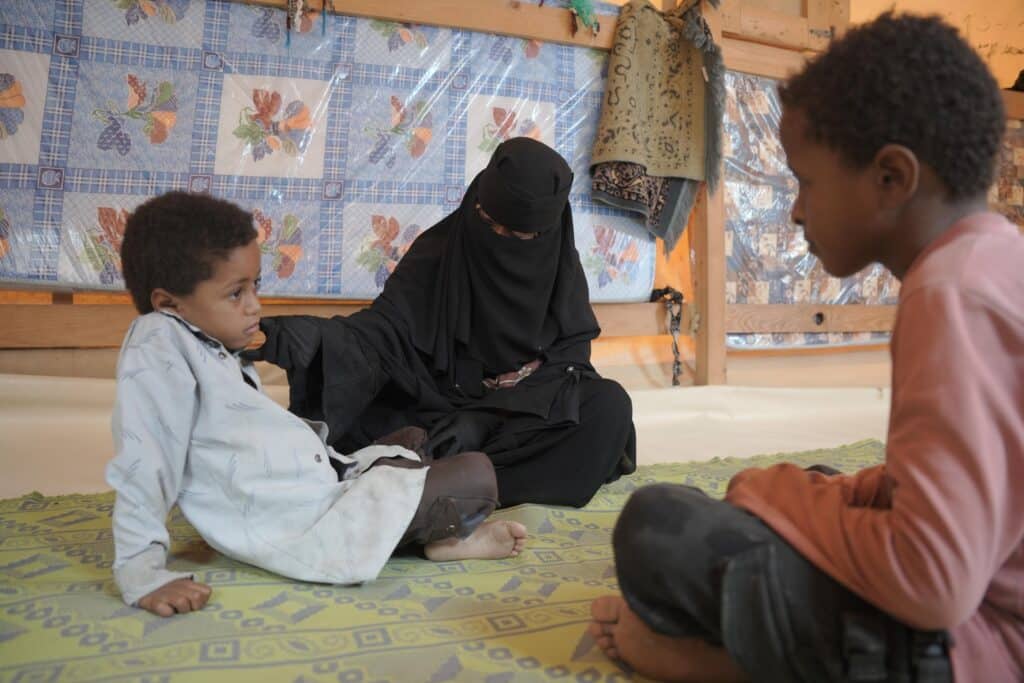
Awatif, a 12-year-old displaced girl, was forced to drop out of school after her family fled from Taiz to Al-Dhale’e. Her father was injured and could no longer work, so Awatif took on the responsibility of supporting the family by selling ice cream on the streets.
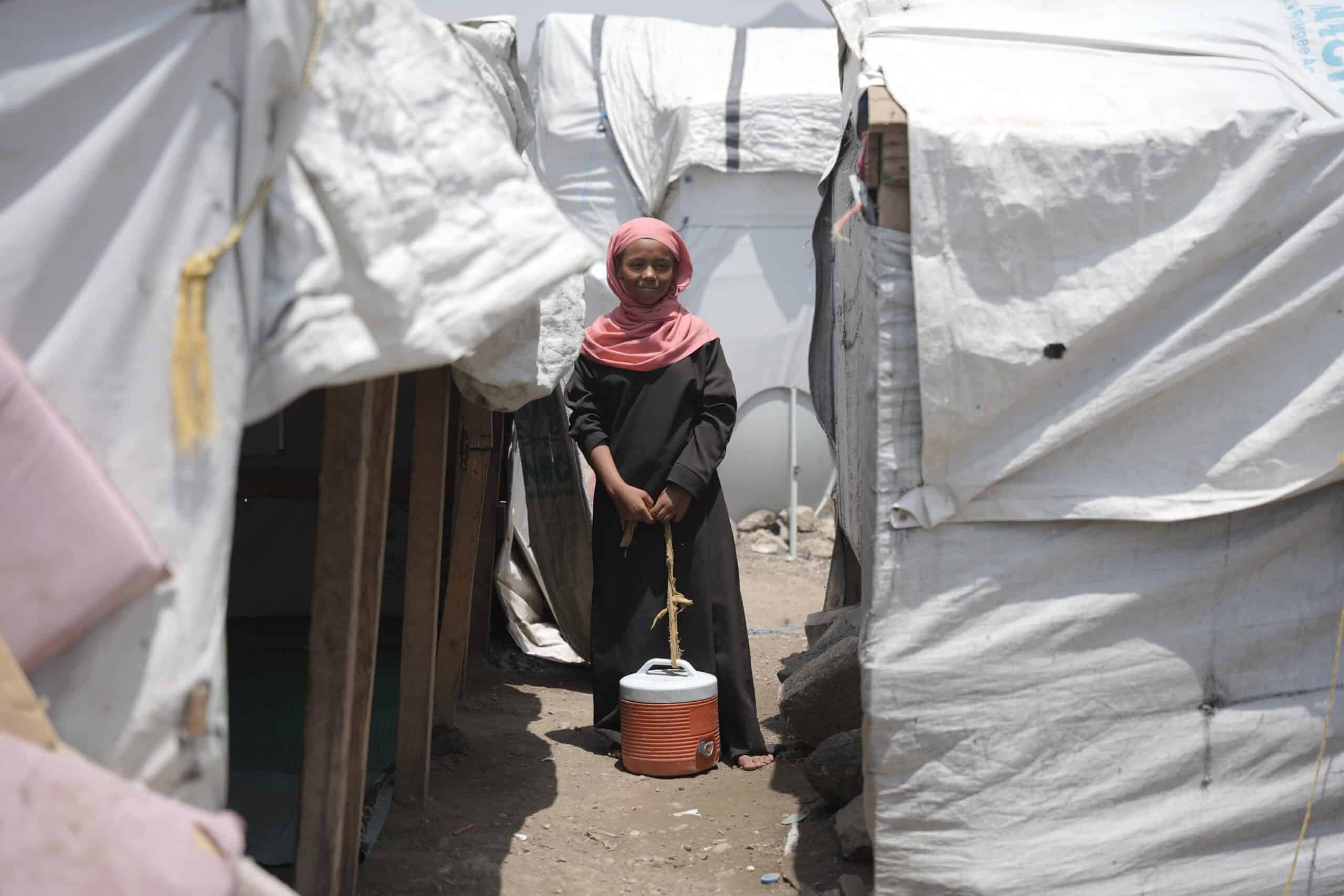
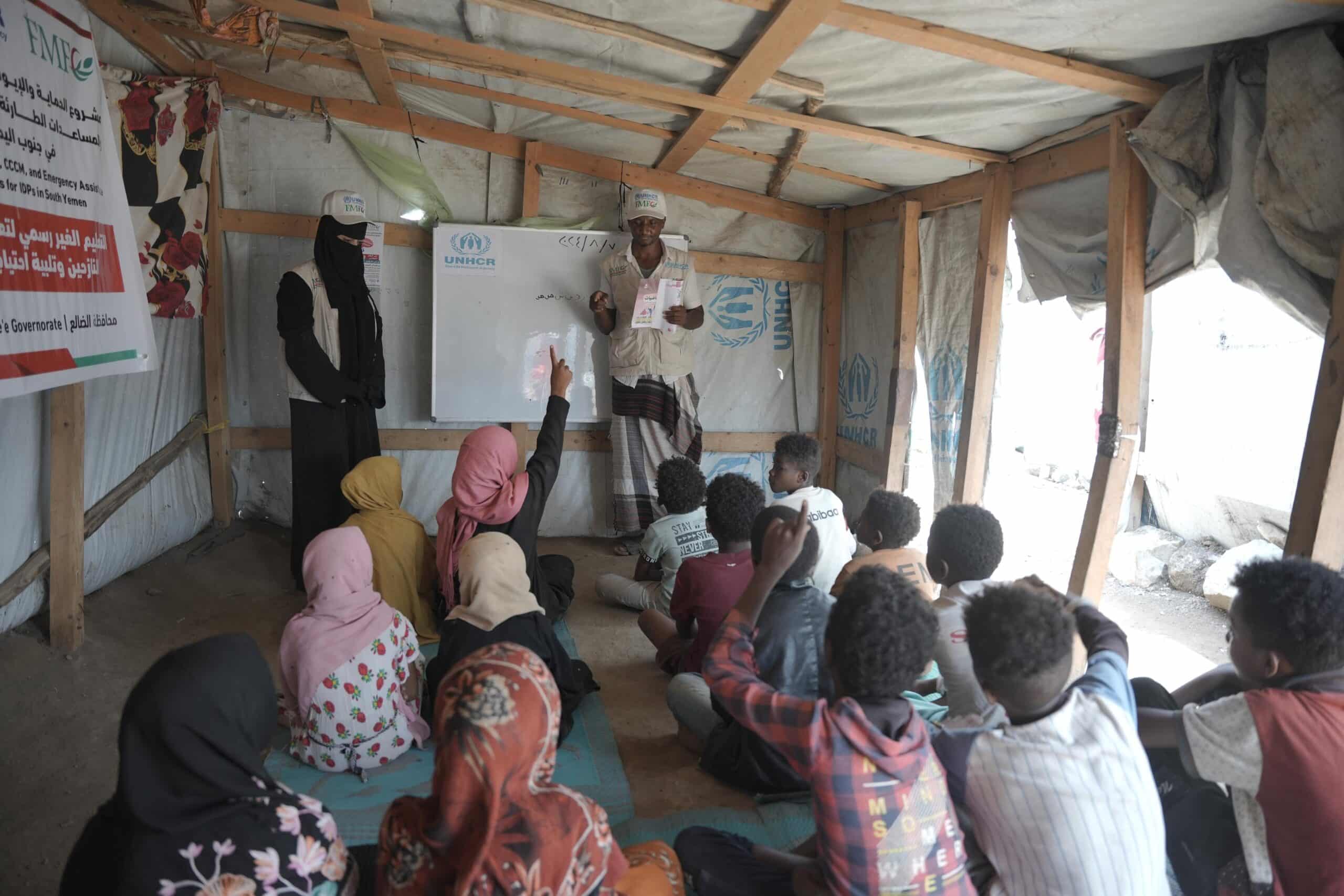
Despite her hardships, Awatif never let go of her dream to return to school. She knew that education was her only hope for a better future. With support from the Protection Project, she was enrolled in a non-formal education program within the camp, allowing her to study while continuing to help her family.
Today, Awatif works in the mornings and studies in the evenings. She sees this opportunity as a second chance — a path to hope. Her resilience is a testament to the power of education and the strength of children who face crisis with courage. Her story shows how projects like this can give displaced children the tools to rewrite their futures.
A Collective Responsibility
Projects like the Refugee and IDP Protection Project offer more than just services — they offer hope. But their success depends on strong collaboration among international organizations, local partners, and government agencies. Through joint efforts, it becomes possible to provide displaced families with essential services such as education, legal protection, and healthcare.
By working together, we can build a more stable, inclusive society and help the displaced reclaim their rights and rebuild their lives with dignity. These efforts are not only a response to humanitarian needs — they are an investment in the future of Yemen.